

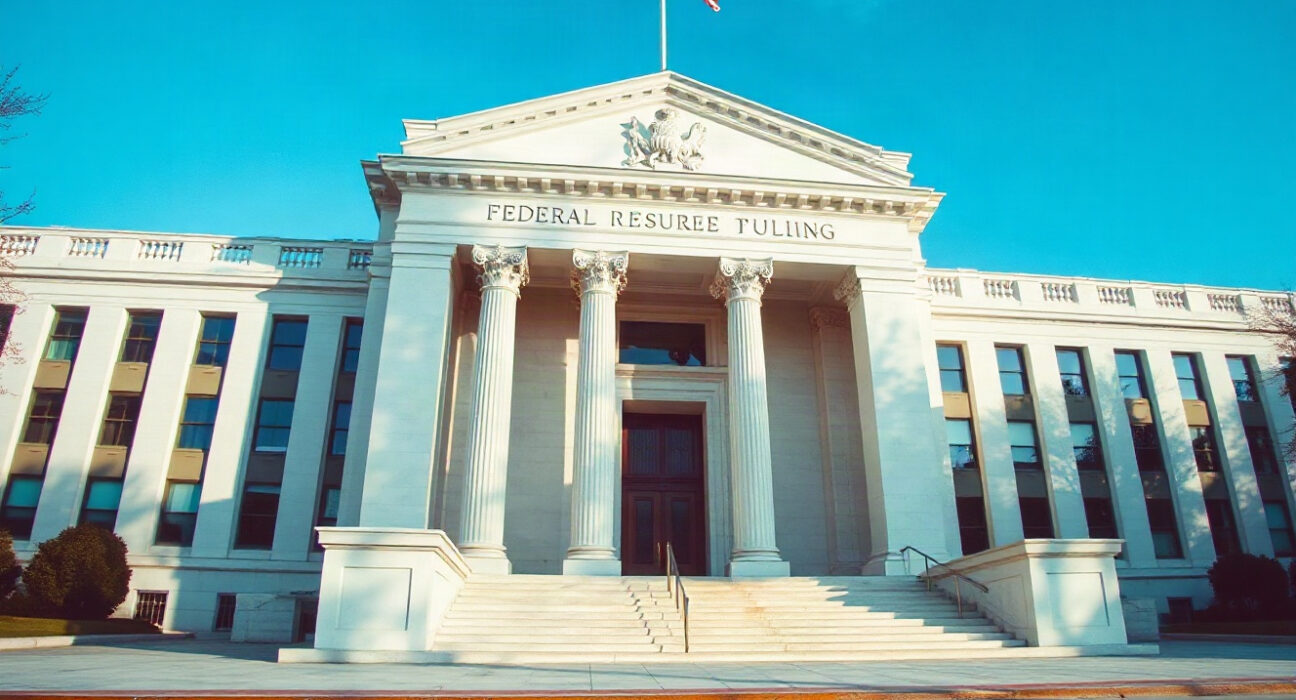
Federal Reserve Governor Michael Barr said on Sept. 1 that inflation remains too high and warned that price pressures could become entrenched after running above the central bank’s 2% target for more than five years. Speaking at an event in Washington, Barr indicated that policymakers may need to raise interest rates aggressively if inflation does not slow by a sufficient margin.
Context: Inflation’s Stubborn Persistence
Barr’s remarks come as the Fed has kept its benchmark interest rate steady at a range of 5.25% to 5.50% since July 2023, following a series of hikes that began in March 2022. While inflation has cooled from its peak of 9.1% in June 2022, the latest Consumer Price Index (CPI) data shows it remains above the Fed’s comfort zone, with core inflation hovering around 3.2% as of July 2025. The Fed’s preferred gauge, the Personal Consumption Expenditures (PCE) price index, also remains elevated.
The governor’s comments signal a hawkish tilt within the Fed, as some policymakers argue for patience while others worry about the risk of inflation becoming entrenched. Barr’s warning underscores the delicate balance the Fed faces: easing policy too soon could reignite price pressures, while waiting too long risks tipping the economy into recession.
What Barr’s Remarks Mean for Rate Policy
Barr noted that if data trends provide confidence that inflation is slowing toward the 2% target, policymakers could take more time to assess the policy stance. However, he added that rates would need to be raised aggressively if inflation does not slow by a sufficient margin. This suggests that the Fed is prepared to act decisively if price pressures persist, even at the risk of slowing economic growth.
Market reactions to Barr’s speech were muted, with futures pricing in a near-zero probability of a rate hike at the September meeting. However, traders increased bets on a possible hike in November or December, reflecting the uncertainty surrounding the inflation outlook.
Why This Matters to Consumers and Investors
The path of interest rates directly affects borrowing costs for mortgages, auto loans, and credit cards. Higher rates also influence stock market valuations and corporate earnings. For households, sustained inflation erodes purchasing power, while aggressive rate hikes could slow job growth and wage gains. For investors, the Fed’s stance will shape portfolio strategies, particularly in rate-sensitive sectors like technology and real estate.
Barr’s comments also highlight the broader debate within the Fed about the ‘neutral’ rate—the level that neither stimulates nor restricts the economy. If inflation remains sticky, the Fed may need to revise its estimates, which could have long-term implications for monetary policy.
Conclusion
Federal Reserve Governor Michael Barr’s warning underscores the central bank’s commitment to taming inflation, even if it requires aggressive action. With inflation still above target and the labor market showing resilience, the Fed faces a challenging path ahead. Policymakers will likely remain data-dependent, with upcoming CPI and employment reports providing critical clues. For now, the message is clear: the Fed will not hesitate to raise rates further if inflation does not ease.
FAQs
Q1: What is the Federal Reserve’s current target for inflation?
The Fed aims for a 2% inflation rate as measured by the Personal Consumption Expenditures (PCE) price index. This target is considered optimal for a healthy economy, balancing price stability with maximum employment.
Q2: How would aggressive rate hikes affect the average consumer?
Higher interest rates increase borrowing costs for mortgages, auto loans, and credit cards, making it more expensive for consumers to finance purchases. This can slow spending and economic growth, but it also helps reduce inflation by curbing demand.
Q3: What data will the Fed watch to decide on future rate moves?
The Fed will closely monitor monthly CPI and PCE inflation reports, employment data (including nonfarm payrolls and unemployment rate), and consumer spending trends. If these indicators show inflation slowing toward 2%, the Fed may hold rates steady; if not, a hike is possible.
Disclaimer: The information provided is not trading advice, Bitcoinworld.co.in holds no liability for any investments made based on the information provided on this page. We strongly recommend independent research and/or consultation with a qualified professional before making any investment decisions.
