

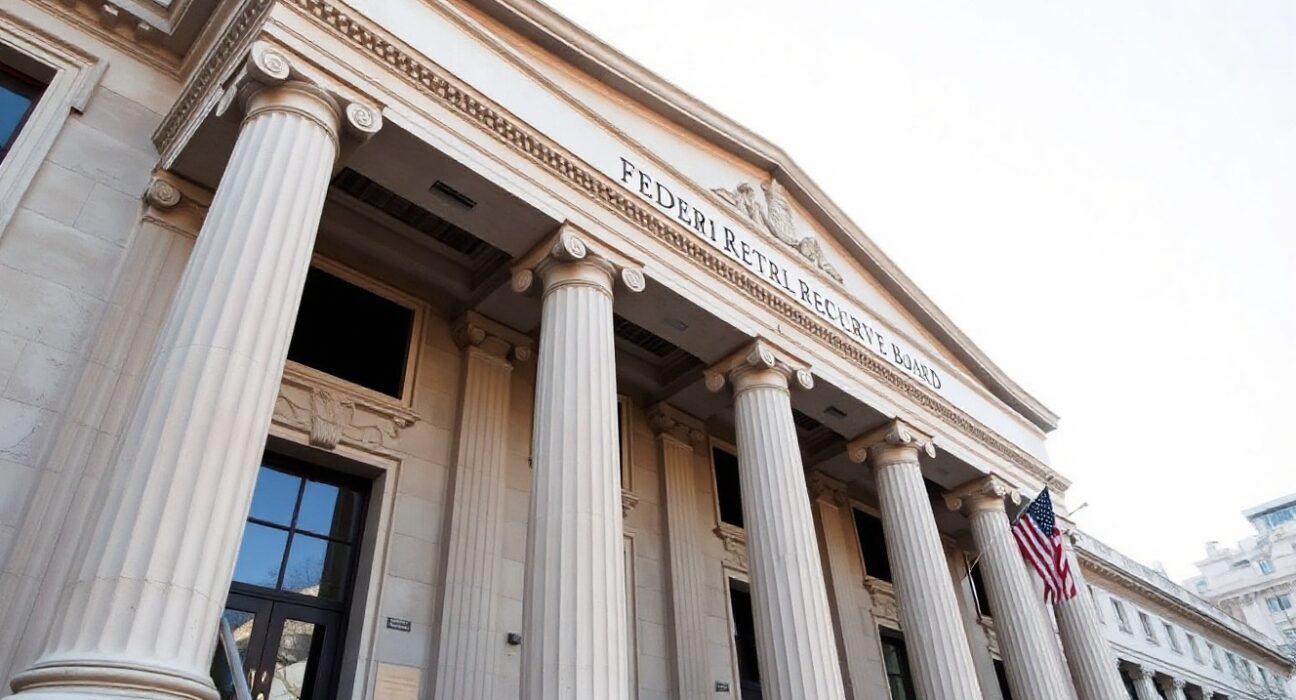
Federal Reserve Governor Michelle Bowman has indicated she would consider adjusting the central bank’s monetary policy stance if inflationary pressures stemming from geopolitical conflicts become more widespread. The remarks, delivered during a recent public appearance, underscore the delicate balancing act facing policymakers as they assess the economic fallout from ongoing wars and trade disruptions.
Context and Implications
Bowman’s statement reflects a growing concern among some Fed officials that supply-side shocks—particularly those linked to conflicts in key energy and commodity-producing regions—could spill over into broader price increases. While the Fed has made progress in taming inflation from its 2022 peaks, the path forward remains uncertain. Bowman noted that a persistent broadening of war-related inflation would warrant a reassessment of the current policy outlook, which has held interest rates steady in recent meetings.
The governor did not specify which conflicts she was referencing, but analysts point to the war in Ukraine and instability in the Middle East as primary risk factors. Both regions play significant roles in global energy markets and agricultural supply chains, making them potential sources of renewed price pressures.
Market and Consumer Relevance
For investors and consumers, Bowman’s comments serve as a reminder that the Fed’s next moves are highly data-dependent and sensitive to external shocks. If war-driven inflation does materialize, the central bank could be forced to maintain higher interest rates for longer, or even consider rate hikes—a scenario that would likely weigh on stock markets, increase borrowing costs, and slow economic growth.
Households, meanwhile, could face higher prices for gasoline, heating oil, and food staples if supply routes are disrupted. The Fed’s ability to respond is limited, however, as monetary policy is a blunt tool against supply-side inflation, which is often better addressed through fiscal or diplomatic measures.
What This Means for the Policy Outlook
Bowman’s remarks are consistent with a cautious tone adopted by several Fed officials in recent weeks. While the majority of the Federal Open Market Committee (FOMC) appears to favor a wait-and-see approach, Bowman’s willingness to consider a policy shift signals that the committee is not fully committed to a single path. The key variable remains whether geopolitical tensions escalate further or begin to ease, which would directly influence the trajectory of inflation and, consequently, interest rates.
Conclusion
Governor Bowman’s statement adds a layer of complexity to the Fed’s policy narrative. As war-driven inflation remains a hypothetical risk rather than a confirmed trend, markets and consumers should monitor geopolitical developments closely. The Fed’s next policy decisions will hinge on real-time data, and Bowman has made it clear that she, at least, is prepared to act if the threat becomes tangible.
FAQs
Q1: What did Fed Governor Michelle Bowman say about inflation?
Bowman said she would consider adjusting the Fed’s monetary policy outlook if inflation caused by war becomes more widespread.
Q2: Why is war-driven inflation a concern for the Federal Reserve?
Conflicts can disrupt global supply chains for energy, food, and raw materials, leading to higher prices that may spread beyond specific sectors.
Q3: How might Bowman’s stance affect interest rates?
If war-driven inflation broadens, the Fed could maintain or raise interest rates to cool the economy, which would increase borrowing costs for consumers and businesses.
Disclaimer: The information provided is not trading advice, Bitcoinworld.co.in holds no liability for any investments made based on the information provided on this page. We strongly recommend independent research and/or consultation with a qualified professional before making any investment decisions.
