

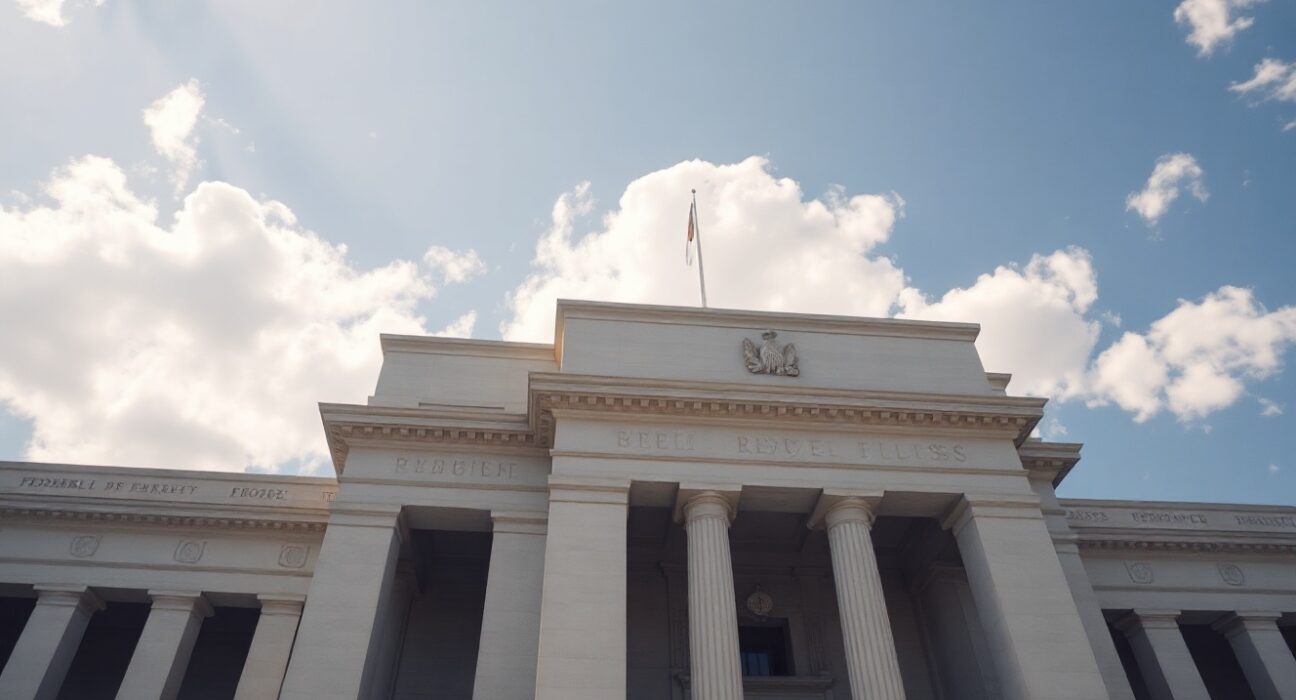
The latest Federal Reserve meeting minutes have drawn attention to a persistent risk that could complicate the central bank’s path toward its 2% inflation target: supply-driven price pressures. Analysts at TD Securities have flagged this development as a key factor for the US dollar and broader monetary policy expectations.
Supply-Side Pressures Remain a Concern
The minutes from the Fed’s January 2025 meeting, released Wednesday, revealed that several participants noted the potential for supply-side disruptions to keep inflation elevated for longer than previously anticipated. While the central bank has made progress in bringing down inflation from its 2022 peaks, the persistence of supply-driven components—such as energy costs, logistics bottlenecks, and certain input prices—remains a sticking point.
TD Securities analysts highlighted that the Fed’s acknowledgment of these risks is significant. “The minutes show a central bank that is wary of supply-side factors that are largely outside its control,” the firm wrote in a note to clients. “This has implications for the pace of rate cuts and, by extension, the US dollar’s trajectory.”
Implications for the US Dollar
The US dollar index (DXY) has been navigating a complex environment, balancing expectations of eventual Fed easing against resilient economic data. TD Securities argues that the supply-driven inflation narrative could keep the dollar supported in the near term, as it reduces the likelihood of aggressive rate cuts.
“If inflation remains sticky due to supply factors, the Fed will be reluctant to cut rates quickly,” the note explained. “This would maintain a relatively higher interest rate differential in favor of the dollar, supporting its value against major peers.”
Market Reaction and Forward Guidance
Following the release of the minutes, the dollar saw modest gains against the euro and yen, reflecting the market’s reassessment of the rate path. Traders are now pricing in a slightly lower probability of a rate cut at the March meeting, with the first full quarter-point cut now fully priced in for June.
The Fed’s emphasis on supply-driven risks also serves as a reminder that not all inflation is created equal. Demand-driven inflation can be tamed by higher interest rates, but supply-side constraints often require different policy tools or simply time to resolve. This distinction is critical for investors trying to forecast the central bank’s next moves.
What This Means for Investors
For currency traders and fixed-income investors, the key takeaway is that the Fed is not yet ready to declare victory over inflation. The supply-side risks flagged in the minutes suggest that the final leg of the disinflation process may be the most challenging.
TD Securities recommends that investors remain cautious on short-duration US Treasuries and maintain a defensive posture on the dollar until clearer signs emerge that supply pressures are abating. “The path of least resistance for the dollar is still higher in this environment,” the note concluded.
Conclusion
The Fed’s latest minutes underscore a nuanced inflation picture, with supply-side factors posing a persistent challenge. As TD Securities highlights, this dynamic has direct implications for the US dollar and the timing of rate cuts. For now, the dollar appears supported by a cautious Fed, but the outlook will depend heavily on whether supply constraints ease in the coming months.
FAQs
Q1: What did the Fed minutes say about inflation?
The minutes indicated that several Fed officials are concerned that supply-side disruptions could keep inflation elevated for longer, potentially delaying the return to the 2% target.
Q2: How does supply-driven inflation affect the US dollar?
Supply-driven inflation tends to keep interest rates higher for longer, which supports the US dollar by maintaining a favorable interest rate differential compared to other currencies.
Q3: What is TD Securities’ view on the dollar?
TD Securities believes the dollar is likely to remain supported in the near term due to the Fed’s cautious stance on rate cuts, driven by persistent supply-side inflation risks.
Disclaimer: The information provided is not trading advice, Bitcoinworld.co.in holds no liability for any investments made based on the information provided on this page. We strongly recommend independent research and/or consultation with a qualified professional before making any investment decisions.
