

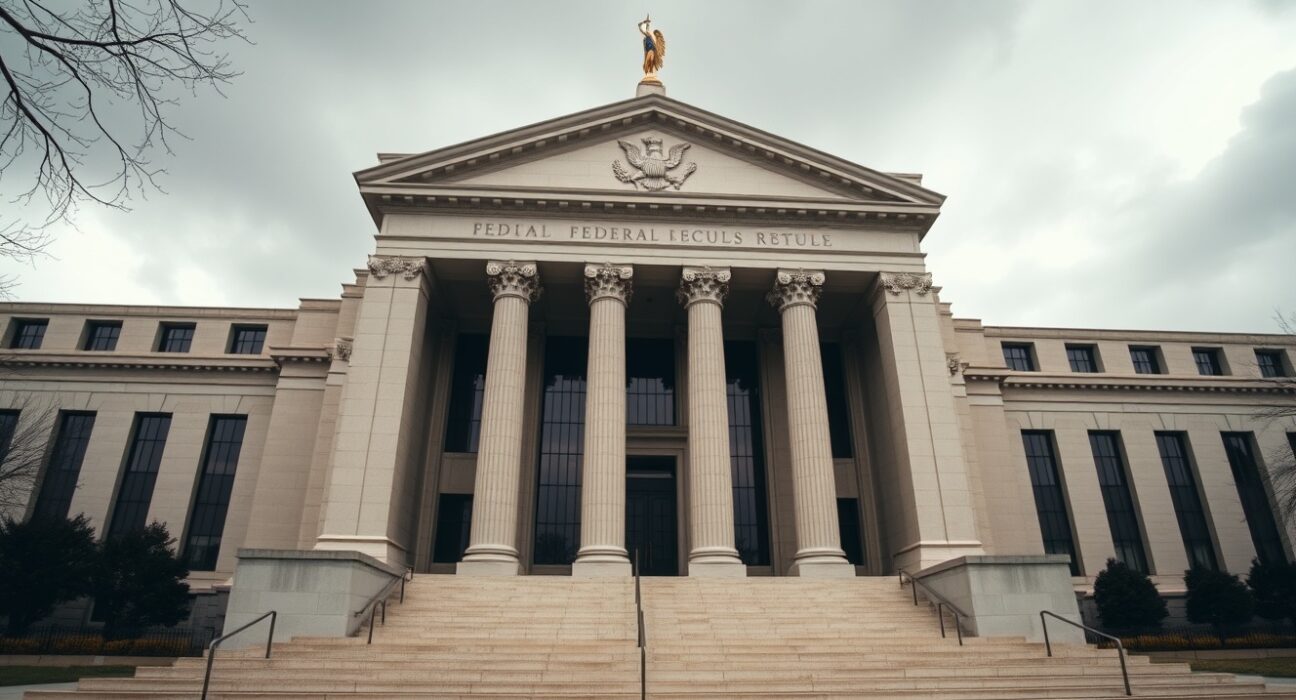
The Federal Reserve is likely to delay interest rate cuts longer than many market participants expect, as a combination of persistent inflation, resilient labor market data, and rising global uncertainties force policymakers to adopt a more cautious stance. A new analysis from BNY suggests that the timeline for monetary easing has shifted meaningfully, with the first reduction now projected later than previously anticipated.
Why Rate Cuts Are Being Pushed Out
BNY’s assessment points to several converging factors that are keeping the Fed on hold. Core inflation, while down from its 2022 peaks, has proven stickier than hoped, hovering above the central bank’s 2% target. Recent consumer price index reports have shown month-over-month increases that exceed forecasts, particularly in services and shelter costs. Additionally, the labor market remains surprisingly strong, with job creation consistently beating expectations and wage growth showing only gradual moderation. BNY economists argue that this combination leaves the Fed with little room to ease without risking a reacceleration of price pressures.
Another layer of complexity comes from global developments. Geopolitical tensions, particularly around energy supply chains and trade disruptions, have introduced fresh upside risks to inflation. The Fed, according to BNY, must now weigh these external shocks alongside domestic data, further reducing the urgency to cut rates. The analysis suggests that the central bank will prioritize credibility over market expectations, choosing to keep rates higher for longer to ensure inflation is firmly under control.
Market Implications of a Delayed Easing Cycle
The prospect of delayed rate cuts has significant implications for financial markets. Bond yields have already adjusted upward, with the 10-year Treasury yield rising in recent weeks as traders repriced their expectations. Equities, particularly growth and technology stocks that are sensitive to interest rate expectations, may face continued volatility as the timeline for lower borrowing costs extends. For investors, BNY’s analysis underscores the importance of preparing for a scenario where the Fed remains on hold through much of 2025.
Currency markets are also reacting. The U.S. dollar has strengthened against major peers as the yield advantage widens, putting pressure on emerging market currencies and raising the cost of dollar-denominated debt. BNY notes that this dynamic could further tighten global financial conditions, creating a feedback loop that the Fed must monitor closely.
What This Means for Borrowers and Businesses
For consumers and businesses, the message is clear: cheap money is not returning soon. Mortgage rates, credit card interest, and business loan costs are likely to stay elevated, dampening demand in housing, capital expenditure, and consumer spending. Companies with high debt loads or refinancing needs face a more challenging environment, while savers may benefit from continued attractive yields on cash and short-term instruments. BNY advises businesses to stress-test their balance sheets against a prolonged period of restrictive policy.
Conclusion
BNY’s analysis adds to a growing consensus that the Federal Reserve will move cautiously in 2025, with rate cuts pushed further into the future as economic risks remain elevated. The central bank’s dual mandate of price stability and maximum employment is currently tilted toward fighting inflation, even at the cost of slower growth. For markets and the broader economy, the path forward depends on incoming data, but the window for early easing appears to have closed. Investors and businesses should adjust their expectations accordingly.
FAQs
Q1: Why is the Federal Reserve delaying rate cuts?
The Fed is delaying rate cuts primarily because inflation remains above its 2% target, the labor market is still strong, and global risks like geopolitical tensions could push prices higher again. BNY’s analysis highlights that these factors reduce the urgency to ease monetary policy.
Q2: How will delayed rate cuts affect the stock market?
Delayed rate cuts may lead to continued volatility, especially for growth and technology stocks that benefit from lower borrowing costs. Higher-for-longer interest rates can compress valuations and increase uncertainty, though sectors like financials may benefit from wider net interest margins.
Q3: When does BNY expect the first rate cut to happen?
BNY projects that the first rate cut will likely occur later than previously anticipated, possibly in the second half of 2025 or even later, depending on how inflation and employment data evolve. The exact timing remains data-dependent and subject to change as new information becomes available.
Disclaimer: The information provided is not trading advice, Bitcoinworld.co.in holds no liability for any investments made based on the information provided on this page. We strongly recommend independent research and/or consultation with a qualified professional before making any investment decisions.
