

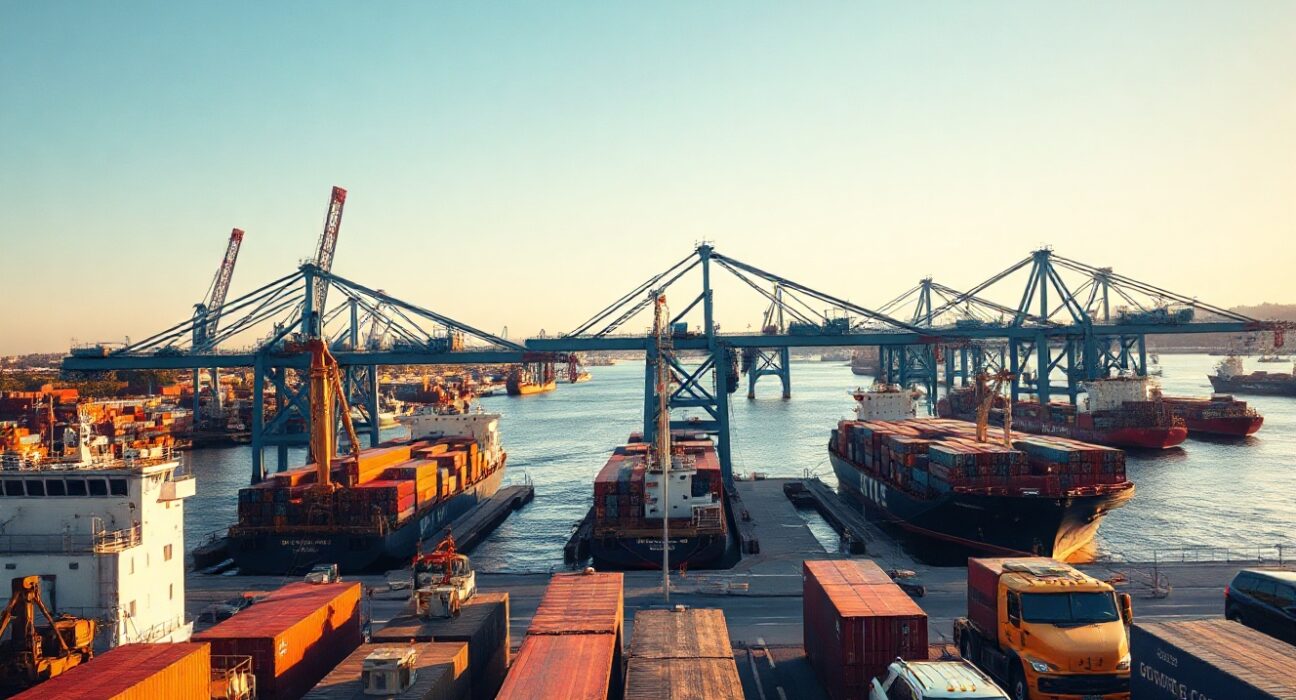
France’s trade deficit narrowed to €-5.847 billion in June, coming in better than the forecasted €-6.5 billion shortfall, according to data released today. This improvement signals a modest strengthening in the country’s external trade position amid persistent global economic headwinds.
What do the June trade figures show?
The June data marks a notable improvement from the previous month’s deficit, which stood at €-7.7 billion (revised). The better-than-expected reading was driven by a combination of higher export volumes and a slight easing in import costs, particularly for energy products.
Exports rose by 2.1% month-on-month, while imports increased by only 0.4%, according to preliminary customs data. The improvement was broad-based, with gains in aerospace, pharmaceuticals, and luxury goods, although the automotive sector continued to lag due to supply chain constraints.
Why does this matter for the euro and the French economy?
The trade balance is a key component of France’s gross domestic product (GDP), and a narrower deficit can support economic growth. For the euro, a better-than-expected trade figure often provides mild support, as it reflects improved competitiveness and demand for European goods.
For France, the narrowing deficit is a positive signal, but the country still faces structural challenges, including high energy import costs and a persistent gap in manufacturing competitiveness compared to Germany. Economists note that a single month’s improvement does not yet signal a sustained trend, especially with global demand slowing.
Market reaction and forward outlook
The euro traded slightly higher against the US dollar following the release, though the move was limited as markets remain focused on broader economic data and central bank policy. The French CAC 40 index showed little change, as trade data typically has a muted impact on equities.
Looking ahead, analysts will watch for further improvements in the trade balance over the coming months, particularly as energy prices stabilize. A sustained narrowing could help France’s current account position and support the government’s fiscal projections.
Conclusion
France’s June trade deficit of €-5.847 billion came in better than expected, offering a glimmer of optimism for the economy. However, the improvement is modest and must be sustained to have a meaningful impact on growth. Traders and policymakers will continue to monitor trade data for signs of a durable recovery.
FAQs
Q1: What is France’s trade balance?
The trade balance measures the difference between a country’s exports and imports. A negative figure indicates a trade deficit, meaning imports exceed exports.
Q2: How does the trade balance affect the euro?
A narrower trade deficit can support the euro because it suggests stronger demand for the country’s goods, which may lead to increased foreign investment and currency demand.
Q3: When is the next France trade balance release?
The next release, covering July data, is typically scheduled for early September. The exact date is announced by the French customs authority.
Disclaimer: The information provided is not trading advice, Bitcoinworld.co.in holds no liability for any investments made based on the information provided on this page. We strongly recommend independent research and/or consultation with a qualified professional before making any investment decisions.
