

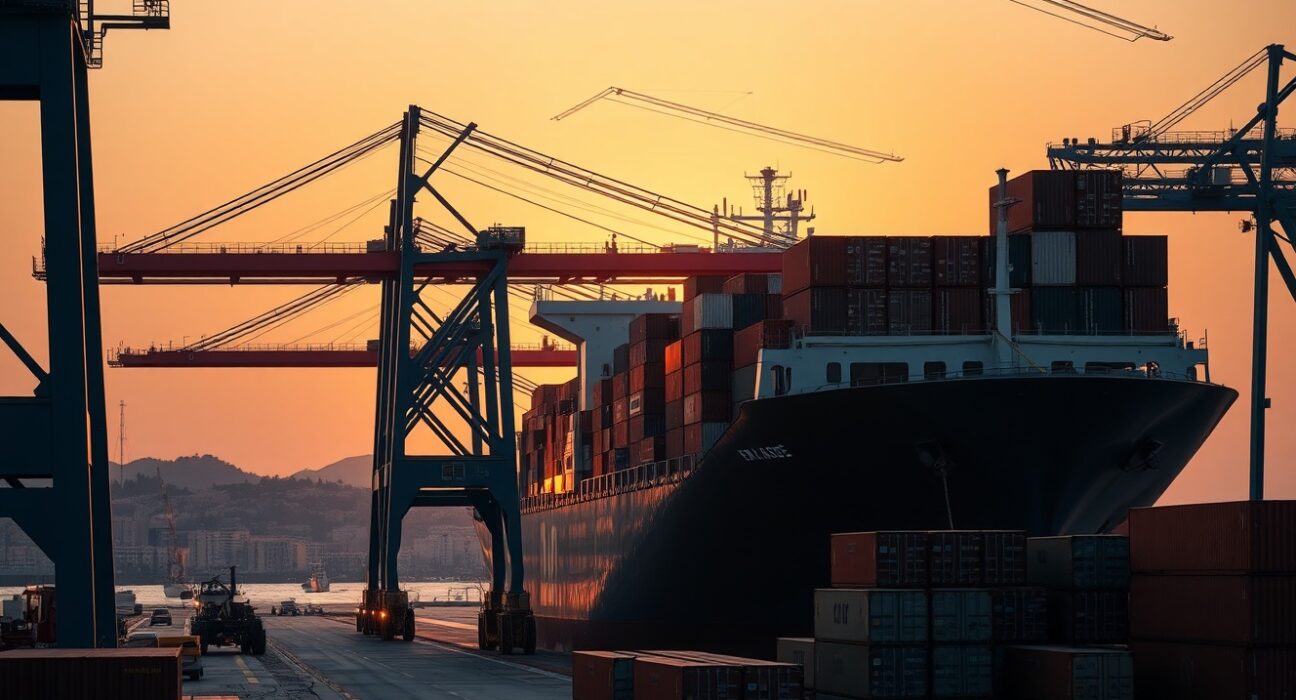
France’s exports increased to €54.537 billion in June, up from a revised €53.581 billion in May, according to the latest customs data. This month-on-month rise of roughly 1.8% indicates a modest acceleration in outbound shipments, though the figures remain below the peaks seen earlier in the year.
What the June export figures reveal
The June data points to a gradual improvement in France’s external trade performance. The increase was driven by gains across several key sectors, including aerospace, pharmaceuticals, and luxury goods, which have historically been pillars of French export strength. While the overall trend remains positive, the pace of growth is moderate, reflecting ongoing challenges in the global demand environment.
Compared to the same month last year, exports are up, but the annual growth rate has slowed from the double-digit surges recorded in 2022 and early 2023. This suggests that the post-pandemic rebound has largely run its course, and French exporters are now navigating a more subdued international trade landscape.
Broader context and implications for the French economy
The export figures are a key component of France’s gross domestic product (GDP) calculation. A sustained increase in exports can contribute positively to economic growth, while a decline can weigh on output. The June rise, while welcome, is unlikely to significantly alter the overall economic outlook for the second quarter, as domestic consumption and investment remain the primary drivers of French growth.
France has consistently run a trade deficit, meaning its imports exceed its exports. The latest data does not yet provide a full picture of the trade balance, as import figures for June have not been released in this report. However, the export increase is a positive signal for policymakers focused on narrowing the deficit.
Why this matters for businesses and investors
For businesses engaged in cross-border trade, the June figures offer a snapshot of demand conditions in key export markets. The modest growth suggests that while there is no dramatic downturn, neither is there a strong surge in demand. Companies may interpret this as a signal to maintain cautious inventory and production planning.
Investors monitoring the eurozone’s second-largest economy will watch these figures for clues on the health of the manufacturing sector. A steady, if unspectacular, export performance supports the view that the French economy is avoiding a sharp contraction, even as it grapples with high interest rates and subdued global growth.
Conclusion
France’s June exports rose to €54.537 billion from €53.581 billion in May, a modest monthly gain that underscores the resilience of the country’s export sector. While the data does not signal a major shift in economic momentum, it provides a slightly more positive picture than the previous month. The coming months will be crucial in determining whether this uptick is a temporary blip or the start of a more sustained improvement in France’s trade performance.
FAQs
Q1: What was France’s export value in June?
France’s exports totaled €54.537 billion in June, up from €53.581 billion in May.
Q2: How does this export data affect France’s GDP?
Exports are a component of GDP. The increase in June is a positive contributor, but its overall impact on quarterly growth is limited given the size of domestic consumption and investment.
Q3: Does this data mean France’s trade deficit is shrinking?
Not necessarily. The trade balance is determined by both exports and imports. Import figures for June were not included in this report, so the full impact on the deficit cannot be assessed.
Disclaimer: The information provided is not trading advice, Bitcoinworld.co.in holds no liability for any investments made based on the information provided on this page. We strongly recommend independent research and/or consultation with a qualified professional before making any investment decisions.
