
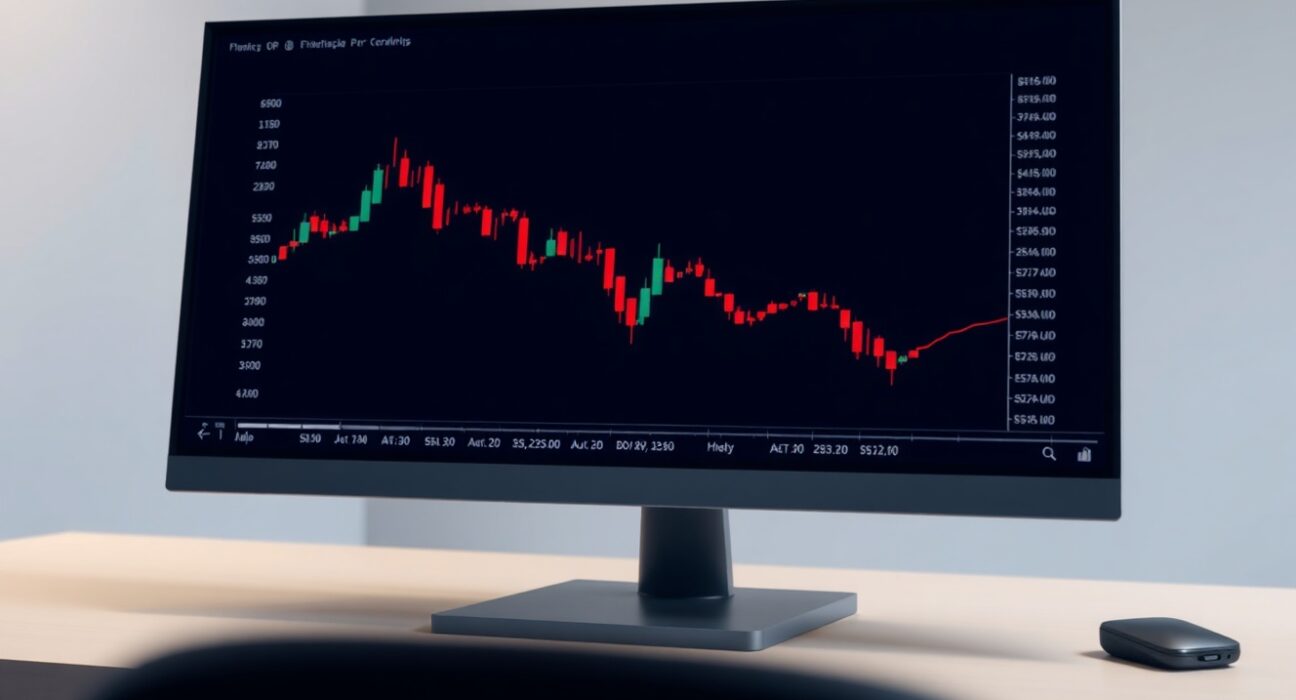
The British Pound Sterling retreated sharply against the US Dollar in early London trading, pulling back from a key technical resistance level near 1.3485. This sudden reversal coincided with reports of a fragile and tentative ceasefire in a major geopolitical conflict, immediately clouding the short-term outlook for currency markets. Market participants swiftly reassessed risk sentiment, triggering a flight to the perceived safety of the US Dollar. Consequently, the GBP/USD pair, a major forex benchmark, experienced significant volatility. This movement highlights the intricate link between geopolitical developments and global capital flows. Analysts now scrutinize the sustainability of the ceasefire and its potential economic ramifications.
GBP/USD Technical Retreat and Market Mechanics
The retreat from the 1.3485 level represents a critical technical failure for the Pound. This price point had previously acted as a formidable resistance zone throughout the previous trading week. A sustained break above it would have signaled potential for a stronger bullish trend. However, the pair failed to consolidate gains above this threshold. The subsequent sell-off was exacerbated by automated algorithmic trading, which executes orders based on predefined price levels. Furthermore, increased trading volume accompanied the decline, confirming genuine market participation. This price action underscores the importance of technical levels in modern electronic forex markets.
Several key factors contributed to the Pound’s vulnerability. Firstly, the Bank of England’s recent cautious stance on interest rate policy left the currency susceptible to shifts in global sentiment. Secondly, underlying concerns about the UK’s current account deficit resurfaced during the risk-off move. The table below summarizes the immediate price action:
| Level | Significance | Market Reaction |
|---|---|---|
| 1.3485 | Major Resistance | Rejection and Sell-Off |
| 1.3420 | 50-Day Moving Average | Initial Support Test |
| 1.3380 | Previous Week’s Low | Key Downside Target |
Geopolitical Ceasefire Clouds Economic Outlook
The immediate catalyst for the forex move was the announcement of a fragile ceasefire. This development, while ostensibly positive, introduced new layers of uncertainty. Market history shows that unstable peace agreements can prolong economic disruption. Traders quickly identified several specific risks embedded in the situation. These risks directly influence currency valuations through energy prices and trade flow expectations.
- Energy Security: The conflict region is a crucial corridor for global energy exports. Any disruption to shipments can cause volatile price spikes.
- Supply Chain Stability: Continued uncertainty hinders the full resumption of critical maritime and land trade routes.
- Inflationary Pressures: Persistent geopolitical risk premiums in commodity markets complicate central bank efforts to control inflation.
Consequently, the ceasefire news did not trigger a classic “risk-on” rally. Instead, it fostered a cautious and analytical market mood. Investors now demand clearer evidence of durable peace before committing to growth-sensitive assets like the Pound.
Expert Analysis on Central Bank Response
Financial institutions are closely monitoring the situation’s impact on monetary policy. According to analysis from major investment banks, central banks may adopt a “wait-and-see” posture. The Bank of England, in particular, must balance domestic inflation concerns against potential global growth headwinds. If the ceasefire holds and energy prices stabilize, it could provide room for a more hawkish stance later in the year. Conversely, a collapse back into conflict would likely force a delay in policy normalization. This policy uncertainty is a primary driver of currency volatility. Market-implied probabilities for future rate hikes have adjusted downward in recent hours, reflecting the new geopolitical calculus.
Comparative Currency Performance and Safe-Haven Flows
The Pound’s decline was not an isolated event. A broader market shift occurred during the session. The US Dollar Index (DXY) strengthened noticeably as investors sought traditional safe-haven assets. Meanwhile, the Euro also faced selling pressure, though to a lesser extent than the Pound. This differential performance highlights the market’s nuanced view of regional economic exposures. The Swiss Franc and Japanese Yen, other classic safe havens, also garnered bids. The relative underperformance of the Pound suggests the market perceives specific UK economic vulnerabilities. These include a high reliance on imported energy and financial services sector exposure to global instability.
Historical data indicates that during periods of geopolitical uncertainty, the US Dollar tends to outperform other G10 currencies. The current episode appears to follow this pattern. However, the speed of the GBP/USD reversal was notable. It underscores how algorithmic trading can amplify fundamental news flows. Market depth, a measure of liquidity, also temporarily thinned during the initial announcement, exacerbating price moves.
Conclusion
The GBP/USD pair’s retreat from the 1.3485 level serves as a potent reminder of the forex market’s sensitivity to geopolitical developments. The fragile ceasefire, rather than providing clarity, has injected fresh uncertainty into the economic outlook. Technical selling pressure combined with fundamental reassessments to drive the Pound lower against a bolstered US Dollar. Moving forward, traders will monitor the durability of the peace agreement and its tangible effects on global trade and energy markets. The path for the GBP/USD will likely remain choppy, dictated by headlines and central bank signals reacting to this evolving situation. Ultimately, sustained direction requires either a definitive stabilization of the geopolitical landscape or a clear shift in UK economic momentum independent of external factors.
FAQs
Q1: Why did GBP/USD fall after a ceasefire was announced?
Markets often react to uncertainty, not just positive or negative news. A “fragile” ceasefire introduces risks of collapse and prolonged instability, which can harm global growth and trade, leading to safe-haven demand for the US Dollar over the Pound.
Q2: What is the significance of the 1.3485 level for GBP/USD?
1.3485 was a major technical resistance level. A failure to break and hold above it signals to traders that the bullish momentum has weakened, often triggering automated sell orders and leading to a technical correction.
Q3: How does geopolitical risk typically affect the British Pound?
The Pound is considered a “risk-sensitive” currency. During periods of high global uncertainty or risk aversion, investors tend to sell assets like the Pound and buy safe-haven currencies like the US Dollar or Swiss Franc.
Q4: Could this ceasefire actually help the Pound in the long term?
Yes, if the ceasefire proves durable and leads to stabilized energy prices and restored trade flows, it could improve the UK’s economic outlook and inflation profile, potentially allowing the Bank of England more policy flexibility, which could support the Pound.
Q5: What should forex traders watch next regarding GBP/USD?
Traders should monitor: 1) Concrete developments on the ceasefire and humanitarian aid corridors, 2) UK and US inflation and retail sales data, and 3) Commentary from Bank of England and Federal Reserve officials regarding the geopolitical impact on policy.
Disclaimer: The information provided is not trading advice, Bitcoinworld.co.in holds no liability for any investments made based on the information provided on this page. We strongly recommend independent research and/or consultation with a qualified professional before making any investment decisions.