

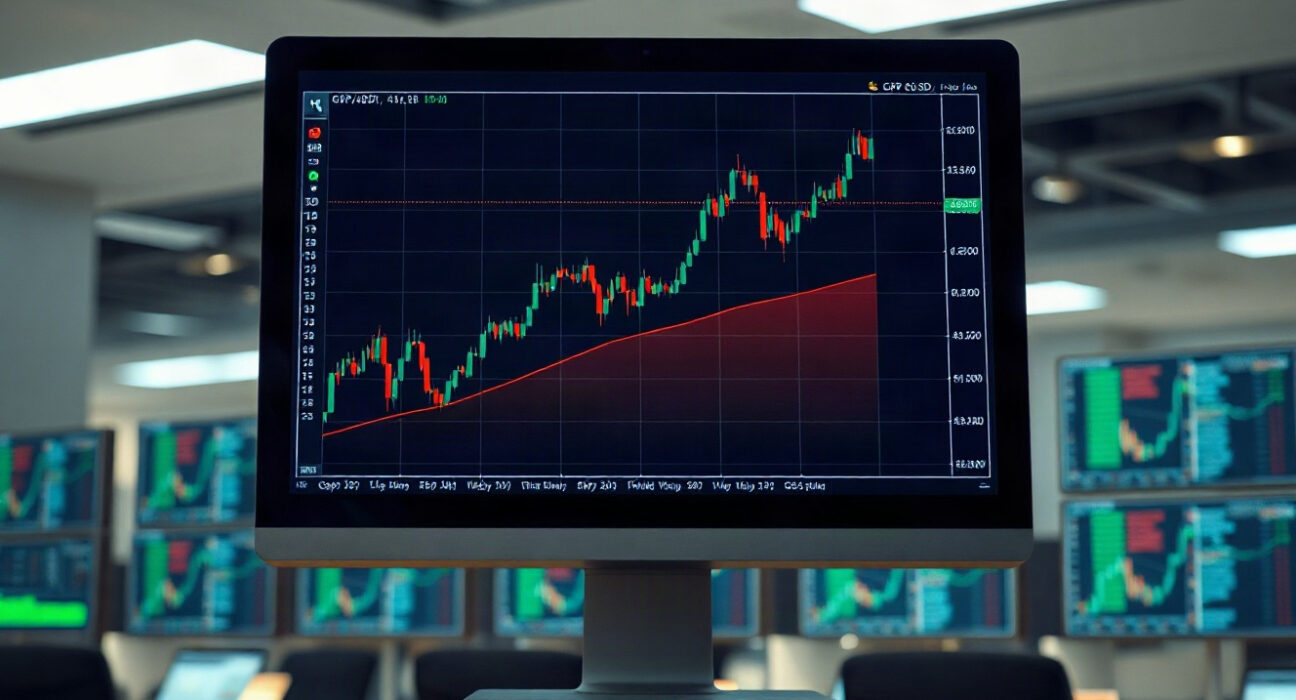
The British pound climbed to a three-month high against the U.S. dollar in early trading on Tuesday, as investors positioned for a week of pivotal economic releases on both sides of the Atlantic. The GBP/USD pair rose to 1.2785, its strongest level since early December, before consolidating as traders awaited key inflation and jobs data from the UK and the US.
What’s Driving the Pound’s Strength?
The recent rally in GBP/USD is largely attributed to a softer U.S. dollar, which has come under pressure amid growing expectations that the Federal Reserve may begin cutting interest rates sooner than previously anticipated. Recent US economic indicators, including a slowdown in manufacturing and a cooling labor market, have reinforced the case for monetary easing.
Meanwhile, the Bank of England has adopted a more cautious tone, with policymakers signaling that inflation remains above target and that rate cuts are not imminent. This divergence in monetary policy expectations has made the pound relatively more attractive to yield-seeking investors.
Key Data to Watch This Week
Market participants are now focused on the upcoming release of the UK’s Consumer Price Index (CPI) data for February, scheduled for Wednesday, which is expected to show inflation easing but still well above the Bank of England’s 2% target. A hotter-than-expected reading could bolster the case for the BoE to maintain higher rates for longer, providing further support for the pound.
Across the Atlantic, the US will release its own CPI figures, along with retail sales and jobless claims data. These numbers will be crucial in shaping the Federal Reserve’s policy path. If US inflation remains sticky, it could delay rate cut expectations, potentially strengthening the dollar and reversing the pound’s gains.
Technical Outlook for GBP/USD
From a technical perspective, GBP/USD is testing a key resistance zone around 1.2800, a level that has historically acted as a ceiling. A decisive break above this level could open the door for further upside toward 1.2900, while failure to hold current levels may see the pair retreat to support near 1.2700.
Analysts caution that the currency pair is sensitive to shifts in risk sentiment and central bank rhetoric, making it vulnerable to sharp swings in either direction.
Why This Matters to Traders and Businesses
The direction of GBP/USD has significant implications for international trade, corporate earnings, and cross-border investments. A stronger pound makes UK exports more expensive and reduces the value of overseas earnings for UK-based multinationals, while benefiting importers and consumers.
For businesses with exposure to currency fluctuations, the current volatility underscores the importance of hedging strategies. For individual investors, the exchange rate affects the cost of travel, overseas property purchases, and the returns on international investments.
Conclusion
GBP/USD’s three-month high reflects shifting expectations for monetary policy on both sides of the Atlantic, but the pair’s near-term direction will hinge on this week’s economic data. Traders and businesses should brace for potential volatility as the numbers are released, with the Federal Reserve and Bank of England’s subsequent communications likely to set the tone for the currency pair in the coming weeks.
FAQs
Q1: What does a three-month high for GBP/USD mean?
A three-month high means the pound has strengthened against the dollar to its highest level in three months. This reflects increased investor confidence in the UK economy or reduced confidence in the US economy, often driven by interest rate expectations.
Q2: How do interest rates affect GBP/USD?
Interest rates are a primary driver of currency values. If the Bank of England keeps rates high while the Federal Reserve cuts them, the pound becomes more attractive to investors seeking yield, boosting GBP/USD. Conversely, if the Fed raises rates or signals fewer cuts, the dollar may strengthen.
Q3: What should traders watch for after the data releases?
Traders should monitor central bank statements, especially any hints about future rate moves. Additionally, technical levels like 1.2800 and 1.2700 are key for short-term trading decisions, and any surprises in inflation or jobs data could trigger sharp movements.
Disclaimer: The information provided is not trading advice, Bitcoinworld.co.in holds no liability for any investments made based on the information provided on this page. We strongly recommend independent research and/or consultation with a qualified professional before making any investment decisions.
