

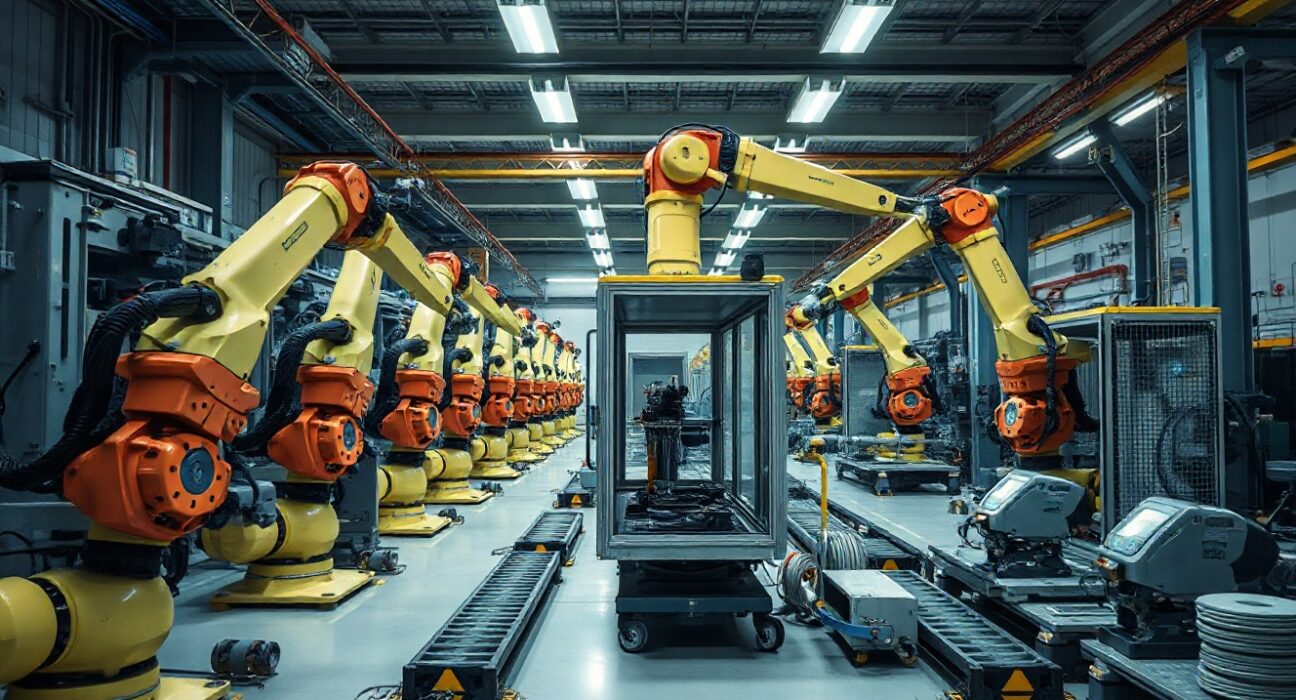
Germany’s factory orders rose by a seasonally adjusted 3.1% in June compared with the previous month, according to official data released on [Date of Release], significantly outperforming market forecasts that had predicted a modest 0.3% increase. This robust expansion signals a potential stabilisation in Europe’s largest industrial economy, offering a counterpoint to recent weak indicators and suggesting that the manufacturing sector may be turning a corner after a prolonged period of sluggishness.
What is driving the unexpected surge in factory orders?
The June increase was broad-based, but was particularly buoyed by a strong performance in the automotive and capital goods sectors. The data, adjusted for seasonal and calendar effects, points to a rebound in both domestic and foreign demand. Analysts suggest that the easing of supply chain pressures and a slight improvement in global trade conditions are beginning to filter through to order books. The positive surprise has led some economists to revise their near-term outlook for German GDP, though they caution that one month of strong data does not yet constitute a definitive trend.
Market and Economic Implications of the Data
The stronger-than-expected figures have provided a lift to market sentiment, with the Euro showing some resilience against major currencies in early trading. For the European Central Bank, which has been navigating a delicate path between curbing inflation and supporting growth, this data point offers a glimmer of hope that the manufacturing sector might not be as much of a drag on the broader economy as previously feared. However, the ongoing weakness in new construction orders and the still-uncertain global economic outlook remain significant headwinds that could temper the optimism generated by this report.
Why this matters for the broader European economy
Germany’s industrial sector is a critical engine for the entire Eurozone. When German factories are busy, they import more from and invest more in other European countries, creating a ripple effect. This unexpected jump in orders suggests that the industrial slowdown which has plagued the region might be bottoming out. For businesses and policymakers, this is a key indicator to watch, as sustained order growth could signal a more resilient European economy heading into the second half of the year, potentially influencing decisions on interest rates and fiscal policy.
Conclusion
The 3.1% month-on-month increase in German factory orders for June is a significant positive outlier that has surpassed all expectations. While it offers a hopeful sign for the manufacturing sector and the broader Eurozone economy, it remains a single data point. Economists will be looking to the coming months’ data to confirm whether this marks the beginning of a sustained recovery or a temporary blip in a longer-term downward trend.
FAQs
Q1: What exactly are ‘factory orders’ and why are they important?
Factory orders are a leading economic indicator that measures the total value of new orders placed with manufacturers. They are important because they provide an early signal of future industrial production and overall economic activity. An increase in orders suggests that factories will be busier in the coming months, which can lead to more hiring and investment.
Q2: How does this German data impact the European Central Bank’s (ECB) policy decisions?
Stronger economic data, like this factory orders surge, can influence the ECB’s monetary policy. It gives policymakers more confidence in the economy’s resilience, potentially making them more comfortable with maintaining or even increasing interest rates to combat inflation, without fearing a severe economic downturn.
Q3: What is the difference between the reported figure (3.1%) and the forecast (0.3%)?
The forecast (0.3%) represents the median expectation from a survey of economists. The actual figure (3.1%) is the real, official data released by the statistics office. A large positive difference, like this one, is often called a ‘surprise’ and can cause market movements as investors adjust their positions based on the stronger-than-expected economic health.
Disclaimer: The information provided is not trading advice, Bitcoinworld.co.in holds no liability for any investments made based on the information provided on this page. We strongly recommend independent research and/or consultation with a qualified professional before making any investment decisions.
