

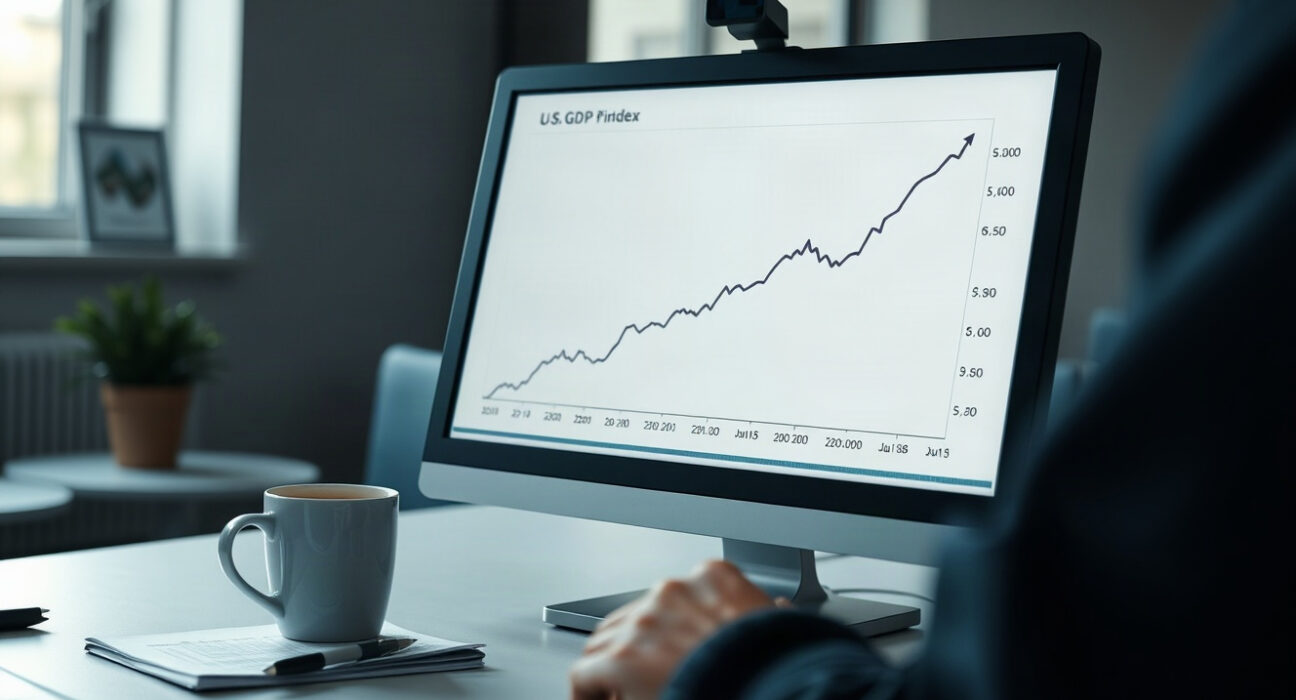
The United States Gross Domestic Product price index rose 6.4% in the second quarter, according to the latest data release, exceeding the 6.3% forecast and signaling that inflation pressures remain entrenched across the economy. The reading, which measures the prices of all goods and services included in GDP, underscores the persistent cost pressures facing businesses and consumers alike.
What the GDP Price Index Measures and Why It Matters
The GDP price index, also known as the GDP deflator, is a broad measure of inflation that covers all domestically produced goods and services. Unlike the Consumer Price Index (CPI), which focuses on consumer purchases, the GDP price index reflects price changes across the entire economy, including investment goods, government spending, and exports. A reading above forecasts suggests that price pressures are not only persisting but also broadening, which can influence Federal Reserve policy decisions.
For financial markets, a higher-than-expected GDP price index can reinforce expectations of continued interest rate hikes or a slower pace of easing. For businesses, it means higher input costs that may be passed on to consumers, potentially dampening demand. For households, it erodes purchasing power and can affect savings and spending decisions.
Market and Policy Implications
The latest data adds to the narrative that the Federal Reserve’s battle against inflation is far from over. The central bank has been monitoring a range of inflation indicators to calibrate its monetary policy stance. A GDP price index that consistently exceeds forecasts could prompt policymakers to maintain a tighter policy stance for longer, affecting borrowing costs, asset valuations, and economic growth prospects.
Economists note that while the 6.4% figure is above expectations, it is still below the peak levels seen in previous quarters. However, the persistence of elevated price pressures suggests that achieving the Fed’s 2% target may take more time than initially hoped. This could lead to a prolonged period of higher interest rates, which would impact mortgage rates, corporate borrowing, and government debt servicing costs.
Why This Matters to You
For consumers, a higher GDP price index can translate into higher prices for everyday goods and services, from groceries to rent. For investors, it signals potential volatility in bond markets and equities as they adjust to a possibly more hawkish Fed. For businesses, it means careful planning around input costs and pricing strategies. Understanding this indicator helps individuals and companies make informed financial decisions in an uncertain economic environment.
Conclusion
The US GDP price index rising 6.4% in Q2, above forecasts, highlights the ongoing challenge of inflation in the world’s largest economy. While the figure is not dramatically above expectations, it reinforces the view that price pressures are persistent and broad-based. The data will likely influence Federal Reserve policy deliberations and market sentiment in the coming months, making it a key indicator for economists, investors, and policymakers alike.
FAQs
Q1: What is the GDP price index?
The GDP price index, or GDP deflator, measures the average change in prices of all goods and services included in gross domestic product. It is a comprehensive inflation gauge covering the entire economy.
Q2: How does the GDP price index differ from the CPI?
While the CPI focuses on consumer purchases, the GDP price index includes prices of all domestically produced goods and services, including investment goods and government spending. This makes it a broader measure of inflation.
Q3: What does a higher-than-expected GDP price index mean for interest rates?
A higher-than-expected reading can signal persistent inflation, potentially prompting the Federal Reserve to maintain or increase interest rates to cool the economy. This can lead to higher borrowing costs for consumers and businesses.
Disclaimer: The information provided is not trading advice, Bitcoinworld.co.in holds no liability for any investments made based on the information provided on this page. We strongly recommend independent research and/or consultation with a qualified professional before making any investment decisions.
