

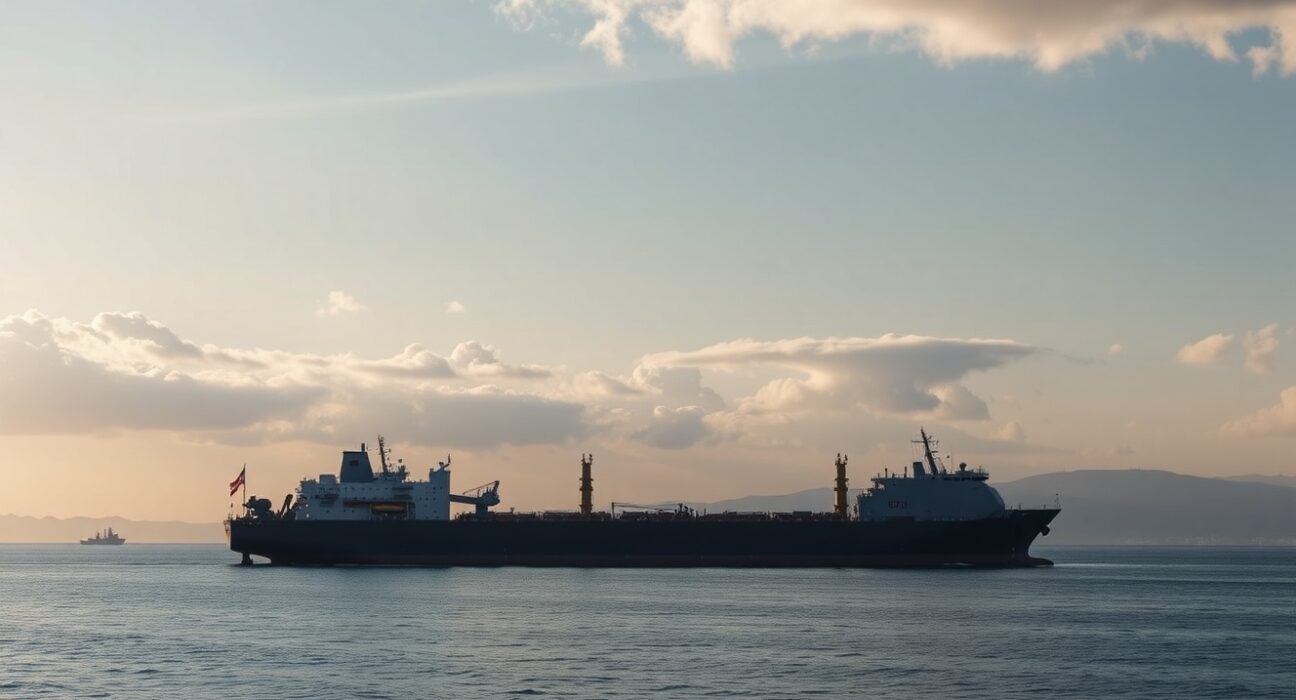
Global bond yields have stabilized this week as financial markets carefully balance two competing forces: the escalating geopolitical risk of a potential closure of the Strait of Hormuz and the enduring pressure of global inflation. The yield on the benchmark 10-year U.S. Treasury note hovered near 4.30%, while German Bunds and U.K. Gilts traded within narrow ranges, reflecting a cautious wait-and-see posture among institutional investors.
Geopolitical Tensions at the Strait of Hormuz
The Strait of Hormuz, a narrow waterway between Oman and Iran, is a critical chokepoint for global oil supplies. Approximately 20% of the world’s petroleum passes through this strait daily. Recent escalations in regional rhetoric and naval posturing have raised the probability of a temporary disruption. While a full, sustained closure remains unlikely according to most geopolitical analysts, even a short-term blockage could send oil prices sharply higher, compounding existing inflationary pressures in major economies.
Investors are pricing in a risk premium, but not a full-blown crisis scenario. This is reflected in the relatively contained moves in yields. The market appears to be waiting for clearer signals from diplomatic channels or for a tangible event before adjusting positions significantly.
Inflationary Pressures Persist
Central banks in the U.S., Europe, and the U.K. have made progress in taming inflation from its 2022 peaks, but the last mile is proving stubborn. Core inflation readings remain above target in several jurisdictions, driven by sticky services prices and wage growth. A supply-side shock from Hormuz would directly impact energy costs, feeding into headline inflation and complicating monetary policy decisions.
The Federal Reserve has signaled a cautious approach, with rate cuts likely delayed until there is greater confidence that inflation is sustainably moving toward the 2% target. The European Central Bank faces a similar dilemma, particularly given the eurozone’s reliance on energy imports.
What This Means for Investors
For fixed-income investors, the current environment suggests a prolonged period of elevated yields. The traditional playbook of buying bonds as a safe haven during geopolitical crises is being complicated by the inflationary consequences of the same crisis. This dynamic is keeping long-term yields elevated even as short-term rates are expected to eventually decline.
Equity markets have shown resilience, but sectors sensitive to energy costs—such as airlines, shipping, and manufacturing—face headwinds. Conversely, energy producers and defense contractors could see continued demand.
Conclusion
The stability in global yields masks a delicate balance of risks. The market is not yet pricing in a worst-case scenario at Hormuz, but the threat is real enough to prevent yields from falling significantly. At the same time, persistent inflation limits the upside for bond prices. Investors should prepare for continued volatility and monitor geopolitical developments closely. The coming weeks, particularly any diplomatic breakthroughs or further escalations, will likely determine the next major move in global fixed-income markets.
FAQs
Q1: What is the Strait of Hormuz and why does it matter for global markets?
The Strait of Hormuz is a narrow waterway connecting the Persian Gulf to the Arabian Sea. It is the world’s most important oil transit chokepoint. Any disruption to shipping there can cause oil prices to spike, affecting inflation and economic growth worldwide.
Q2: How does a potential Hormuz closure affect bond yields?
A closure would likely cause a short-term flight to safety, pushing yields down. However, the resulting surge in oil prices would fuel inflation, forcing central banks to keep interest rates higher for longer, which eventually pushes long-term yields back up.
Q3: Are central banks likely to cut rates soon given the geopolitical uncertainty?
Most central banks, including the Fed and ECB, are in a data-dependent mode. A geopolitical shock that raises inflation would likely delay rate cuts, as they prioritize price stability over growth in the short term.
Disclaimer: The information provided is not trading advice, Bitcoinworld.co.in holds no liability for any investments made based on the information provided on this page. We strongly recommend independent research and/or consultation with a qualified professional before making any investment decisions.
