

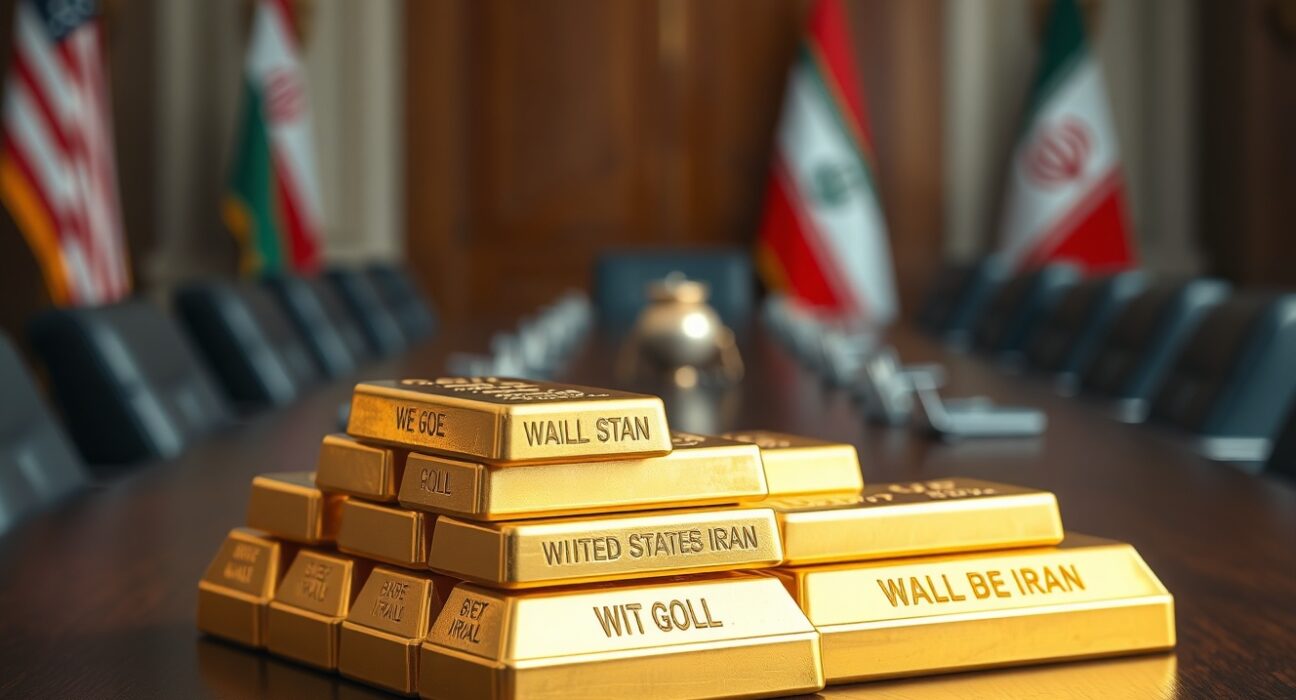
Gold prices edged higher in early trading on Tuesday, as investor sentiment improved following the announcement of a ceasefire between Israel and Lebanon. The development has also revived cautious optimism surrounding stalled US-Iran nuclear deal negotiations, prompting a shift in safe-haven demand dynamics.
Ceasefire Sparks Broader Diplomatic Momentum
The ceasefire, brokered by international mediators, ended weeks of cross-border hostilities between Israel and Hezbollah forces in southern Lebanon. While the agreement itself is regional, market participants view it as a potential catalyst for renewed diplomatic engagement between Washington and Tehran.
Gold, traditionally a hedge against geopolitical instability, initially fell on the ceasefire news as risk appetite improved. However, prices reversed course as traders weighed the implications for US-Iran talks. A successful deal could lead to the lifting of sanctions on Iranian oil exports, potentially increasing global supply and pressuring crude prices—but also reducing a key source of Middle East tension.
Market Reaction and Safe-Haven Flows
Spot gold rose 0.4% to $2,635 per ounce by mid-morning in London, recovering from an earlier dip. Analysts noted that the metal’s resilience reflected lingering uncertainty about the broader region and the timeline for any US-Iran agreement.
“The ceasefire is a positive step, but investors are not fully pricing out tail risks,” said one commodities strategist. “Gold is benefiting from a dual narrative: near-term de-escalation and longer-term diplomatic progress that could reshape energy markets.”
What This Means for Investors
For traders, the key question is whether gold’s safe-haven premium will erode further if US-Iran talks gain traction. A comprehensive deal could reduce geopolitical risk premiums across asset classes, potentially weighing on gold. However, any setback or delay in negotiations could quickly revive demand for the yellow metal.
Central bank buying, which has been a major driver of gold prices in 2024 and 2025, remains a supportive factor independent of short-term geopolitical developments. The People’s Bank of China and other emerging-market central banks have continued to add to their reserves, providing a floor under prices.
Conclusion
The interplay between the Israel-Lebanon ceasefire and US-Iran deal hopes has created a nuanced environment for gold. While the immediate risk-off reaction was short-lived, the metal’s ability to hold gains suggests that markets remain cautious. Traders will closely monitor diplomatic channels in the coming days for concrete signals on the nuclear file.
FAQs
Q1: Why did gold rise after a ceasefire was announced?
Gold initially dipped but recovered as traders assessed that the ceasefire could improve the chances of a US-Iran deal, which would reduce long-term geopolitical risk but also create new uncertainties around energy supply and sanctions policy.
Q2: How does a US-Iran deal affect gold prices?
A US-Iran nuclear deal could lower geopolitical tensions in the Middle East, reducing demand for safe-haven assets like gold. However, it could also lead to higher oil supply and lower inflation expectations, which have mixed effects on gold.
Q3: Should investors buy gold now?
Gold remains supported by central bank buying and persistent inflation concerns. Short-term moves depend on diplomatic outcomes, but long-term fundamentals are still favorable. Investors should consider their own risk tolerance and portfolio diversification needs.
Disclaimer: The information provided is not trading advice, Bitcoinworld.co.in holds no liability for any investments made based on the information provided on this page. We strongly recommend independent research and/or consultation with a qualified professional before making any investment decisions.
