

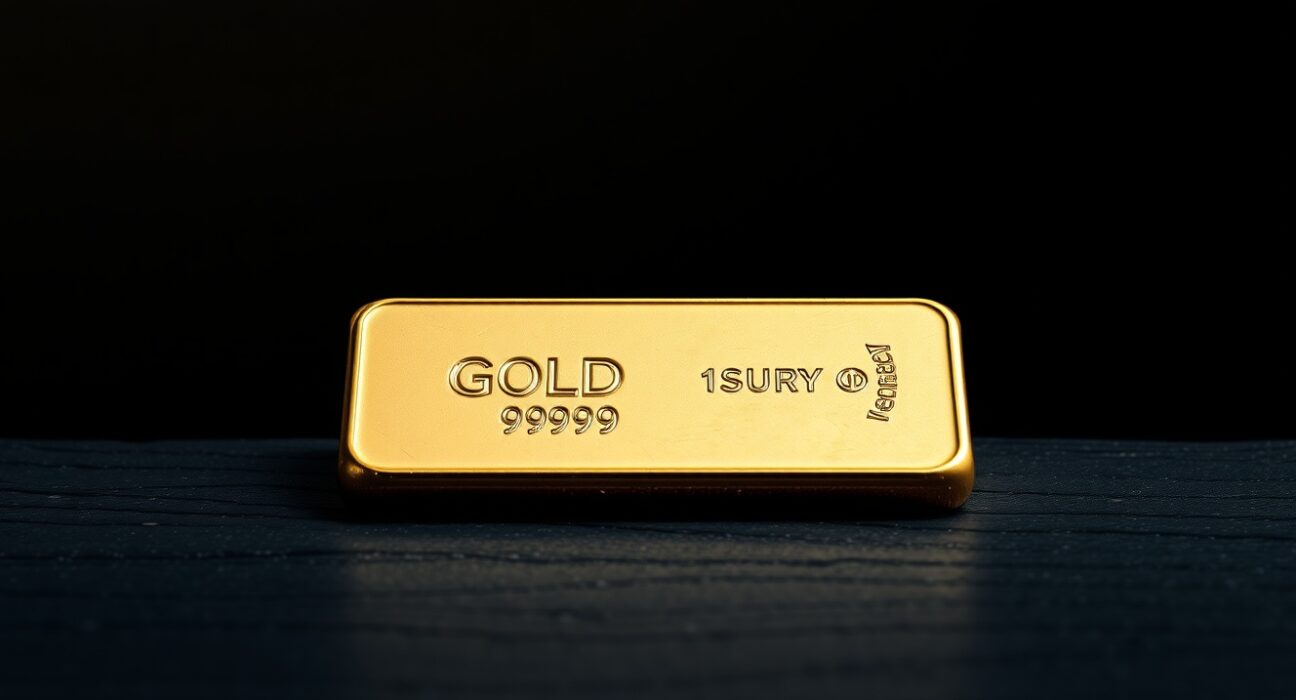
Global financial markets witnessed a historic surge on Tuesday, March 18, 2025, as the spot price of gold vaulted above the $4,500 per ounce threshold for the first time, driven by a powerful wave of safe-haven buying fueled by escalating geopolitical tensions across multiple regions.
Gold Price Surge Marks a Historic Market Milestone
The precious metal’s dramatic ascent represents a significant acceleration in a long-term bullish trend. Consequently, analysts point to a confluence of factors propelling this move. Primarily, renewed conflict in Eastern Europe and heightened friction in the South China Sea have rattled investor confidence. Therefore, capital has flowed rapidly out of riskier assets like equities and into traditional stores of value. Market data from the London Bullion Market Association (LBMA) shows trading volumes spiked by over 200% in the 24-hour period leading to the breach of $4,500.
Historically, gold performs strongly during periods of uncertainty. For instance, during the 2008 financial crisis, prices rallied significantly. Similarly, the early 2020s saw gains during the pandemic. However, the current geopolitical landscape presents a uniquely complex set of risks. These risks are driving demand from both institutional and retail investors globally.
Geopolitical Risk Drives Safe Haven Asset Demand
Central banks have been consistent net buyers of gold for several consecutive quarters. Recent reports from the World Gold Council indicate this trend has intensified. Notably, central banks in emerging markets are diversifying their reserves away from the US dollar. This strategic shift provides a strong foundational demand for the metal. Simultaneously, exchange-traded funds (ETFs) backed by physical gold have reported massive inflows.
The following table illustrates the scale of central bank purchasing in recent years:
| Year | Net Central Bank Purchases (Tonnes) | Primary Driver |
| 2022 | 1,136 | Inflation Hedging |
| 2023 | 1,037 | De-dollarization |
| 2024 | 1,250 (est.) | Geopolitical Reserve Security |
Expert Analysis on Market Psychology and Fundamentals
Dr. Anya Sharma, Chief Commodities Strategist at Global Markets Insight, provided context for the move. “This isn’t merely speculative,” she stated. “We are observing a fundamental repricing of risk. The $4,500 level is psychologically important, but the underlying drivers are concrete: real interest rates, currency volatility, and tangible fear of broader conflict.” Sharma further noted that mining supply constraints are exacerbating the price pressure. New mine development has lagged behind demand growth for nearly a decade.
Meanwhile, physical bullion dealers report unprecedented retail demand. “We’ve seen a three-fold increase in walk-in traffic,” reported Michael Chen, manager of a bullion dealership in Singapore. “Customers are not just buying coins; they are allocating significant portions of their portfolios to larger bars.” This on-the-ground evidence confirms the broad-based nature of the demand surge.
Impacts on Broader Commodity Markets and Inflation
The rally in gold is having ripple effects across other commodity markets. Silver, often called ‘poor man’s gold,’ has also seen strong gains, albeit with higher volatility. Furthermore, mining stocks have outperformed the broader equity indices significantly. This sector rotation indicates a market bracing for prolonged instability. For policymakers, the rising price of gold complicates the inflation picture.
While gold is not a direct component of consumer price indices, it influences market inflation expectations. Persistent high gold prices can signal a lack of confidence in fiat currencies. Consequently, this can make central banks more cautious about monetary policy easing. The current environment creates a delicate balancing act between fighting inflation and stabilizing growth.
- Currency Effects: A strong dollar typically pressures gold, but the current rally is occurring despite dollar strength, highlighting pure safe-haven demand.
- Real Yields: Gold pays no interest, so it becomes more attractive when real (inflation-adjusted) bond yields are low or negative.
- Technical Breakout: Chart analysis shows the price has broken decisively above a multi-year resistance zone, inviting further momentum buying.
Conclusion
The gold price surge past $4,500 is a stark indicator of the current risk-off sentiment dominating global finance. Driven by acute geopolitical fears and supported by strong fundamental demand from central banks, this milestone underscores gold’s enduring role as the ultimate safe haven asset. The market’s trajectory will now depend heavily on the evolution of international tensions and the corresponding shifts in monetary policy. For investors and analysts alike, the yellow metal’s price action remains a critical barometer of global anxiety and economic stability.
FAQs
Q1: What exactly caused gold to jump above $4,500?
The primary catalyst was a sharp increase in geopolitical risk, prompting investors to seek safety. This was compounded by sustained buying from central banks and a breakout from key technical price levels.
Q2: Is gold a good investment during times of war or tension?
Historically, gold has served as a reliable store of value during geopolitical crises, as it is a physical asset uncorrelated to the performance of companies or governments directly involved in conflict.
Q3: How does rising gold prices affect the average consumer?
Direct effects are limited, but it can signal broader market stress, potentially leading to higher volatility in retirement accounts and investment portfolios. It can also influence long-term inflation expectations.
Q4: Are central banks still buying gold at these high prices?
Yes, reports indicate central bank purchases have remained robust. Their buying is often strategic and long-term, focused on reserve diversification rather than short-term price levels.
Q5: What are the main alternatives to physical gold for safe-haven investing?
Other traditional havens include certain government bonds (like US Treasuries), the Swiss Franc, and the Japanese Yen. However, in the current climate, gold’s performance has notably outpaced these alternatives.
Disclaimer: The information provided is not trading advice, Bitcoinworld.co.in holds no liability for any investments made based on the information provided on this page. We strongly recommend independent research and/or consultation with a qualified professional before making any investment decisions.
