

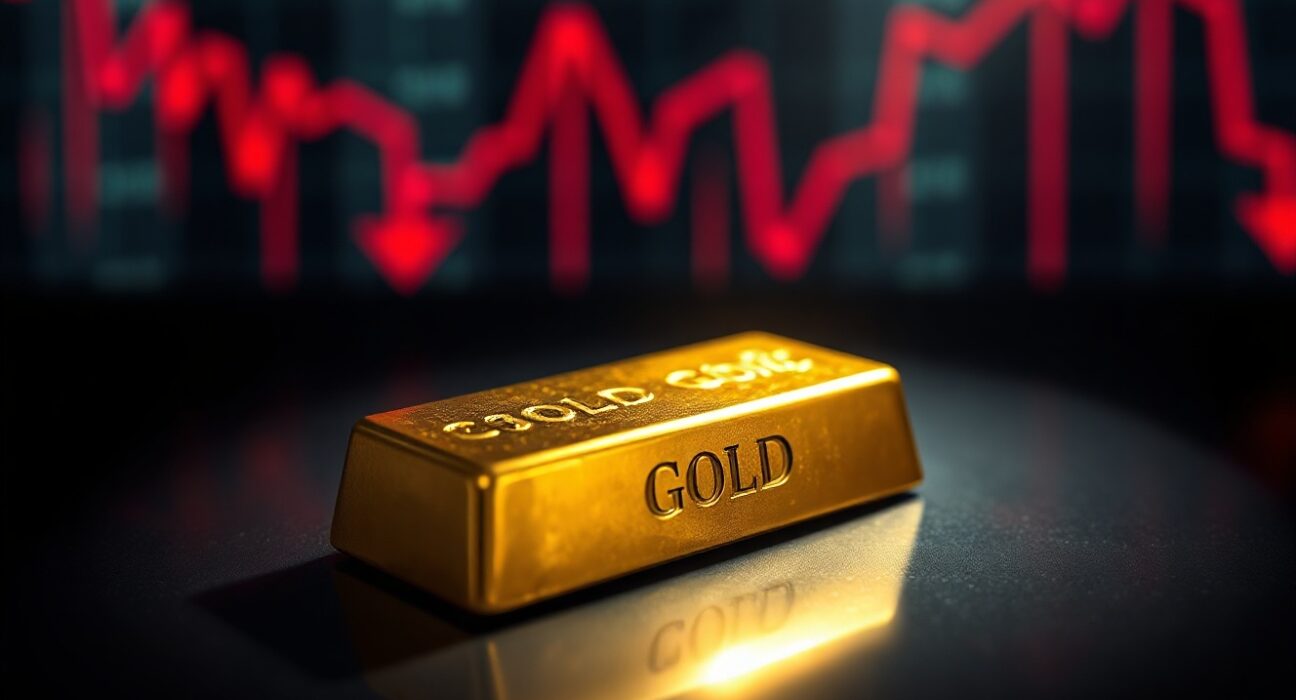
Gold prices experienced a sharp decline on Tuesday, breaking below key support levels as a resurgent US Dollar, driven by unexpectedly hawkish signals from the Federal Reserve under Chair Kevin Warsh, rattled precious metals markets. The precious metal, often viewed as a hedge against inflation and currency debasement, fell over 3% in a single session, its steepest drop in months.
The Dollar Dominance and the Warsh Effect
The primary catalyst for gold’s implosion was the dramatic strengthening of the US Dollar. The Dollar Index (DXY) surged to a multi-month high following remarks from Federal Reserve Chair Kevin Warsh, who signaled a more aggressive approach to monetary policy than markets had anticipated. Warsh indicated that the central bank is prepared to maintain higher interest rates for longer, and potentially accelerate the pace of quantitative tightening, to combat persistent inflationary pressures.
This hawkish pivot caught many investors off guard. The market had been pricing in a potential rate cut later this year, but Warsh’s comments effectively reset those expectations. A stronger dollar makes gold, which is priced in dollars, more expensive for holders of other currencies, reducing demand. Furthermore, higher interest rates increase the opportunity cost of holding non-yielding assets like gold, making yield-bearing instruments such as bonds more attractive.
Market Reaction and Technical Breakdown
The sell-off was swift and brutal. Spot gold prices tumbled from around $2,350 per ounce to below $2,270 before staging a minor recovery. The move represented a clean break below the 50-day moving average, a key technical support level that had held for several weeks. Trading volumes spiked as stop-loss orders were triggered, exacerbating the downward momentum.
Other precious metals followed suit. Silver fell over 5%, while platinum and palladium also posted significant losses. The broad-based sell-off indicated a systemic shift in market sentiment away from safe-haven assets and towards the dollar and US Treasuries.
What This Means for Investors
For investors holding gold as a portfolio hedge, this event serves as a stark reminder of the metal’s sensitivity to real interest rates and dollar strength. The narrative that gold is a simple inflation hedge is being challenged by the reality that the Fed’s aggressive response to inflation is itself the primary threat to gold prices.
The current environment suggests that until the Fed signals a definitive end to its tightening cycle, gold may face continued headwinds. However, some analysts caution against reading too much into a single day’s move. Geopolitical risks and central bank buying, particularly from emerging economies, continue to provide a long-term floor for prices.
Conclusion
The sharp decline in gold prices underscores the profound influence of Federal Reserve policy on global financial markets. Chair Warsh’s hawkish stance has reignited the dollar’s strength, creating a challenging environment for gold in the near term. While the long-term outlook for gold remains tied to structural factors like de-dollarization and geopolitical instability, the immediate path appears heavily dependent on the trajectory of US interest rates. Investors should brace for continued volatility as the market digests the implications of a more aggressive Fed.
FAQs
Q1: Why did gold prices drop so suddenly?
The sudden drop was primarily triggered by a sharp rally in the US Dollar following hawkish comments from Federal Reserve Chair Kevin Warsh, who signaled higher-for-longer interest rates. This made gold less attractive as an investment.
Q2: Is gold still a good investment during high inflation?
Gold can be a hedge against inflation, but it is highly sensitive to interest rates. When the Fed raises rates aggressively to fight inflation, the stronger dollar and higher opportunity costs can temporarily hurt gold prices.
Q3: What should gold investors do now?
Investors should monitor Fed communications closely. A break above key resistance levels would require a clear shift in Fed policy. For long-term holders, this volatility may be a normal part of the cycle, but short-term traders should be cautious given the strong dollar trend.
Disclaimer: The information provided is not trading advice, Bitcoinworld.co.in holds no liability for any investments made based on the information provided on this page. We strongly recommend independent research and/or consultation with a qualified professional before making any investment decisions.
