

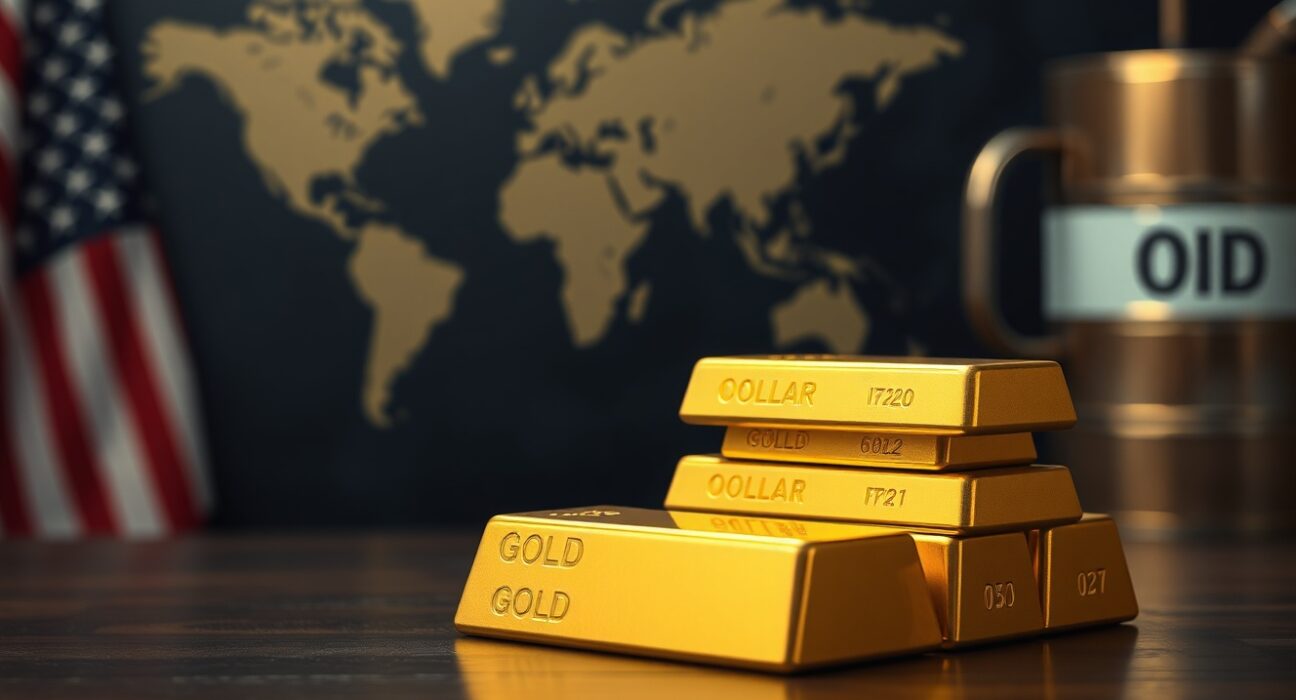
Gold prices have climbed sharply in recent trading sessions, driven by a combination of declining crude oil values and a weakening US dollar. The catalyst appears to be renewed diplomatic efforts aimed at de-escalating tensions in the Middle East, a region whose instability has long fueled safe-haven demand for the greenback and energy commodities.
Market Dynamics Shift on Geopolitical Optimism
The surge in gold, which historically benefits from both geopolitical uncertainty and a weaker dollar, reflects a nuanced market recalibration. As hopes for a diplomatic resolution in the Middle East gain traction, investors are reassessing the risk premium embedded in oil prices. This reassessment has led to a sell-off in crude futures, as the prospect of supply disruptions diminishes.
Simultaneously, the US dollar has retreated against a basket of major currencies. The dollar’s decline is partly tied to the reduced safe-haven flows that typically accompany Middle Eastern turmoil. When geopolitical risks ease, capital often rotates away from the dollar and into assets like gold, which is priced in dollars and becomes more attractive to foreign buyers when the greenback weakens.
Why This Matters for Investors
For market participants, the current environment presents a classic case of intermarket relationships. The simultaneous drop in oil and the dollar, paired with a rally in gold, is a relatively rare alignment that signals a broad shift in investor sentiment. It suggests that markets are pricing in a lower geopolitical risk premium, which could have implications for inflation expectations and central bank policy.
Impact on Portfolio Strategy
Investors holding energy stocks or dollar-denominated assets may see near-term headwinds. Conversely, gold miners and precious metal ETFs have benefited from the rally. The move also underscores the importance of monitoring geopolitical developments, as they can rapidly alter the correlation between asset classes.
Conclusion
The rally in gold, coupled with falling oil prices and a weaker US dollar, highlights the powerful influence of geopolitical developments on global markets. While the outlook remains fluid, the current trend reflects a market that is cautiously optimistic about de-escalation in the Middle East. Investors should remain alert to further diplomatic announcements, as they will likely dictate the next phase of price action across these interconnected asset classes.
FAQs
Q1: Why does gold rise when the US dollar falls?
Gold is priced in US dollars. When the dollar weakens, it takes fewer dollars to buy an ounce of gold, making it cheaper for foreign buyers. This increased demand pushes gold prices higher.
Q2: How do Middle East peace hopes affect oil prices?
The Middle East is a major oil-producing region. When peace hopes rise, the perceived risk of supply disruptions declines, leading to lower risk premiums and falling oil prices.
Q3: Is this trend likely to continue?
The trend depends on the durability of diplomatic progress. If peace talks stall or tensions escalate, oil and the dollar could rebound, while gold may retreat. Markets will closely monitor official statements and negotiations.
Disclaimer: The information provided is not trading advice, Bitcoinworld.co.in holds no liability for any investments made based on the information provided on this page. We strongly recommend independent research and/or consultation with a qualified professional before making any investment decisions.
