

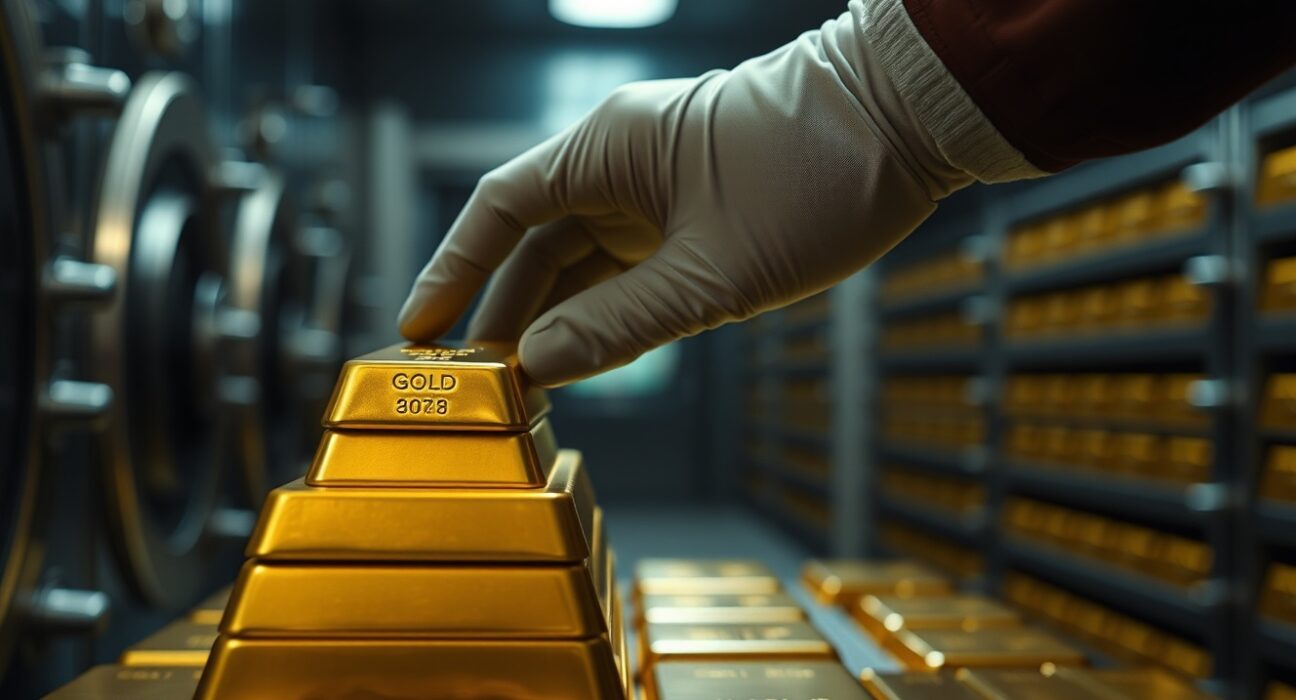
Goldman Sachs has identified a pattern of discreet gold accumulation by the People’s Bank of China (PBOC), according to recent analysis that sheds light on Beijing’s strategic reserve management. The investment bank’s research indicates that China has been systematically increasing its gold holdings, a move that aligns with a broader global trend among central banks to diversify away from the U.S. dollar.
Evidence of Systematic Accumulation
Goldman Sachs’ analysis, based on official data and market flow patterns, suggests that China’s reported gold purchases may understate the true scale of its reserve expansion. The bank notes that the PBOC has been a consistent buyer for several months, adding to a reserve that already ranks among the world’s largest. This activity comes as Beijing continues to reduce its exposure to U.S. Treasury securities, a dual strategy that strengthens its financial sovereignty.
Strategic Implications for Global Markets
The move by China is part of a larger trend observed since 2022, where central banks, particularly in emerging economies, have accelerated gold purchases. For market participants, this sustained demand provides a significant floor under gold prices. The implications extend beyond commodities trading; they signal a long-term geopolitical shift away from dollar-centric financial systems. Goldman Sachs’ report highlights that this accumulation is not merely a hedge against inflation but a calculated move to bolster economic resilience in the face of potential sanctions or financial disconnection.
Impact on Gold Prices and Investor Strategy
For investors, the key takeaway is the structural support for gold. Unlike speculative buying, central bank purchases are typically long-term and price-insensitive. This creates a persistent demand dynamic that can offset weakness from other sectors. The analysis suggests that as long as geopolitical tensions and de-dollarization efforts persist, the PBOC and other central banks will remain significant buyers, potentially pushing gold prices higher over the medium term.
Conclusion
Goldman Sachs’ recognition of China’s secretive gold reserve expansion confirms a critical narrative in modern finance: the quiet but determined effort by major economies to reshape their reserve assets. For readers, this underscores the importance of monitoring central bank activity as a leading indicator for both gold markets and global economic realignment. The trend is not a short-term fluctuation but a fundamental strategic shift with lasting consequences.
FAQs
Q1: Why is China buying gold secretly?
China’s discreet purchases are likely aimed at avoiding market disruption and signaling. Publicly announcing large purchases could drive up prices before the PBOC completes its acquisitions, increasing costs. It also allows Beijing to manage its reserve diversification without drawing immediate geopolitical attention.
Q2: How does this affect the average investor?
Sustained central bank buying, particularly by a major economy like China, creates a strong demand floor for gold. This can lead to more stable or rising gold prices, benefiting investors who hold physical gold or gold ETFs. It also signals a move away from the dollar, which can influence currency markets and global interest rates.
Q3: Is this trend likely to continue?
Given the current geopolitical climate and the stated goals of many nations to reduce dollar dependency, the trend of central bank gold accumulation is expected to persist. Goldman Sachs’ analysis suggests that the structural drivers for this behavior remain in place, making it a long-term market factor.
Disclaimer: The information provided is not trading advice, Bitcoinworld.co.in holds no liability for any investments made based on the information provided on this page. We strongly recommend independent research and/or consultation with a qualified professional before making any investment decisions.
