

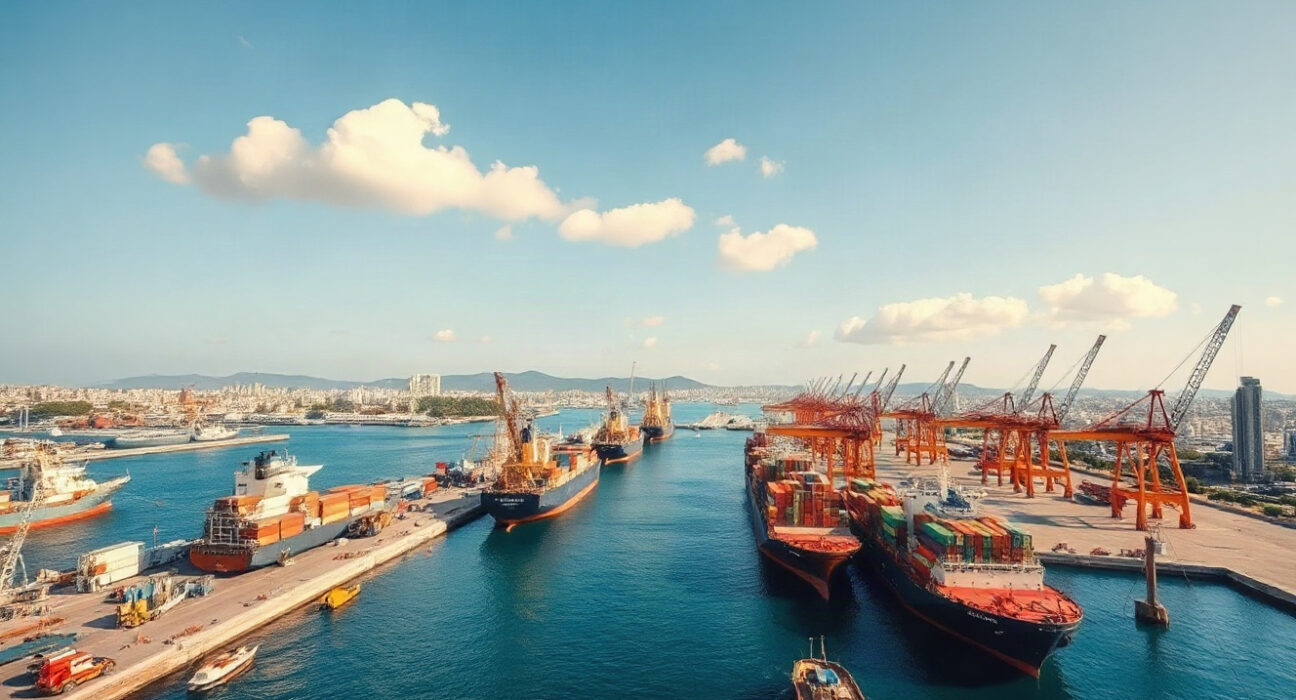
Greece’s current account deficit narrowed to €0.603 billion in June, down from €0.96 billion in the same month last year, according to the latest data from the Bank of Greece. The improvement reflects a stronger performance in the services sector and a reduced trade gap, signaling continued resilience in the Greek economy.
What drove the improvement?
The reduction in the current account deficit was primarily driven by a narrower trade deficit, as exports of goods and services rose while imports grew at a slower pace. The services balance, which includes tourism and shipping, remained a key contributor, with travel receipts staying robust during the peak summer season. Additionally, the primary income account showed a smaller deficit, further supporting the overall balance.
Implications for the Greek economy
The narrower deficit is a positive signal for Greece’s external position, reducing reliance on foreign financing. It also supports the country’s investment-grade status, which was restored in 2023 after more than a decade. Economists view the trend as consistent with Greece’s gradual recovery from the debt crisis, though they caution that global trade uncertainties and energy price volatility could affect future readings.
What should readers understand?
For businesses and investors, the current account data offers insight into Greece’s competitiveness and economic stability. A smaller deficit can boost confidence in the eurozone member’s fiscal health, potentially attracting foreign investment. For the general public, the figures reflect broader economic conditions that influence employment and price stability.
Conclusion
Greece’s current account deficit narrowing to €0.603 billion in June marks a positive development, driven by strong services exports and a moderated trade gap. While challenges remain, the trend underscores the country’s ongoing economic adjustment and resilience.
FAQs
Q1: What is a current account deficit?
The current account is a broad measure of a country’s trade in goods and services, net income, and transfers. A deficit means the country imports more than it exports, requiring financing from abroad.
Q2: Why is the narrowing deficit important?
A smaller deficit reduces the need for external borrowing and can strengthen the national currency and investor confidence. For Greece, it signals improved competitiveness and economic stability.
Q3: How does tourism affect Greece’s current account?
Tourism is a major component of the services balance. Higher travel receipts increase export earnings, helping to offset the trade deficit in goods, as seen in the June data.
Disclaimer: The information provided is not trading advice, Bitcoinworld.co.in holds no liability for any investments made based on the information provided on this page. We strongly recommend independent research and/or consultation with a qualified professional before making any investment decisions.
