

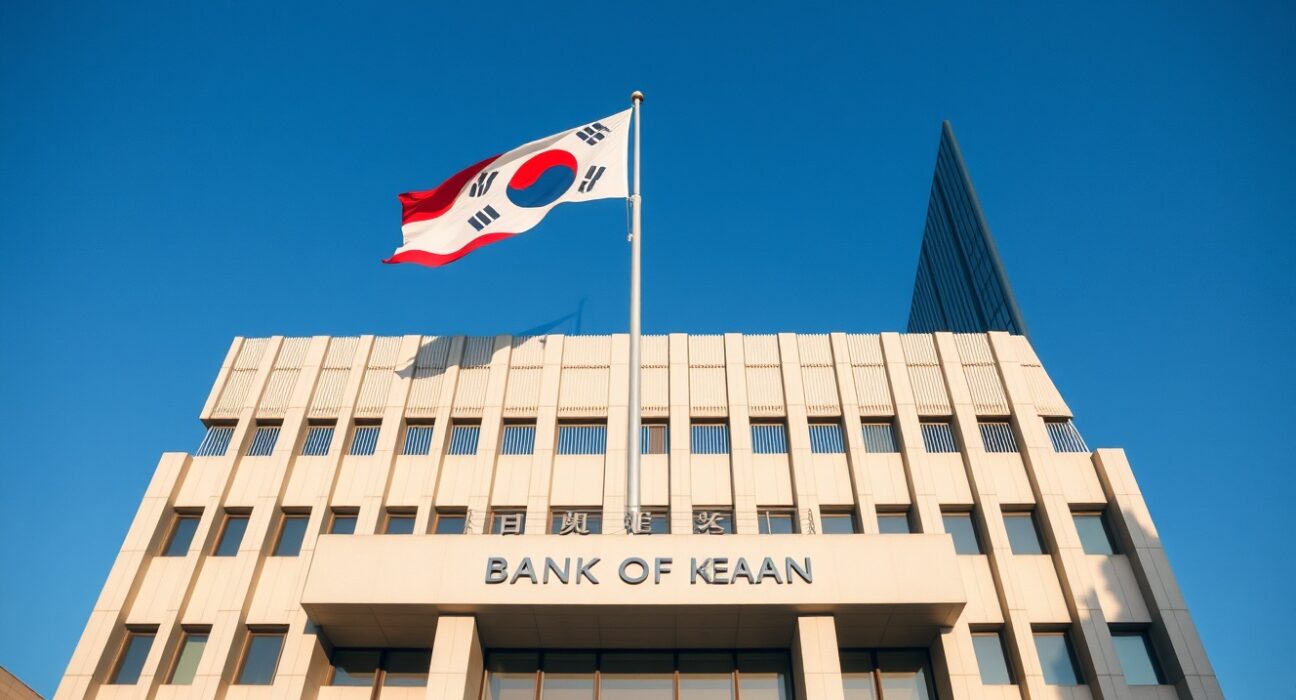
The South Korean won is finding support from a more hawkish tone at the Bank of Korea (BOK), according to analysts at ING. The assessment comes amid shifting expectations for monetary policy in Asia’s fourth-largest economy.
Policy Shift and Market Reaction
ING notes that recent comments from BOK officials signal a reduced willingness to ease policy further, a stance that has helped stabilize the won against the US dollar. The currency had faced pressure earlier in the year due to global monetary tightening and domestic economic uncertainties.
The analysts highlight that the BOK’s hawkish tilt reflects concerns over inflation persistence and financial stability, even as growth prospects remain moderate. This contrasts with some other central banks in the region that have maintained a more accommodative posture.
Implications for Investors
For currency traders and investors with exposure to South Korea, the BOK’s stance suggests a relatively supportive environment for the won in the near term. However, ING cautions that the outlook remains sensitive to global risk sentiment and the trajectory of US interest rates.
The won’s performance is also closely tied to South Korea’s export-driven economy, which faces headwinds from slowing global demand. A hawkish BOK could help offset some of these pressures by attracting capital inflows.
Expert Analysis
ING’s analysis provides a nuanced view, acknowledging that while the hawkish tilt is supportive, the won’s gains may be limited without stronger fundamental improvements. The bank expects the BOK to remain data-dependent, adjusting its stance as economic conditions evolve.
Conclusion
The Bank of Korea’s hawkish shift is providing a buffer for the won, according to ING. While the immediate outlook appears stable, investors should monitor global developments and domestic data releases for further clues on the currency’s direction.
FAQs
Q1: What does a hawkish central bank mean?
A hawkish central bank prioritizes controlling inflation over stimulating growth, often signaling a preference for higher interest rates or tighter monetary policy.
Q2: How does the BOK’s stance affect the won?
A hawkish BOK makes holding won-denominated assets more attractive, potentially increasing demand for the currency and supporting its value against other currencies.
Q3: What are the risks to this outlook?
Key risks include a sharp global economic slowdown, a sudden shift in US Federal Reserve policy, or domestic economic data that forces the BOK to reconsider its hawkish stance.
Disclaimer: The information provided is not trading advice, Bitcoinworld.co.in holds no liability for any investments made based on the information provided on this page. We strongly recommend independent research and/or consultation with a qualified professional before making any investment decisions.
