

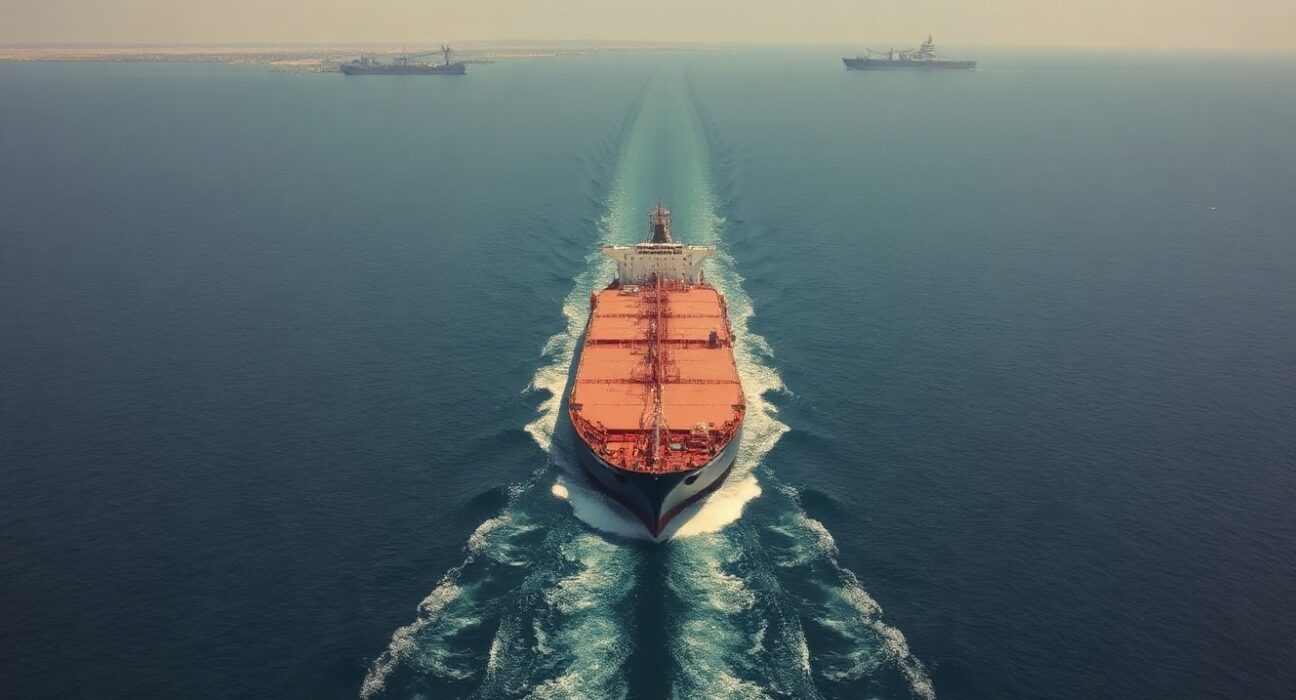
Hope of reopening the Strait of Hormuz to normal shipping traffic is fading, as renewed geopolitical tensions and security incidents continue to disrupt the world’s most critical oil chokepoint. As of early 2026, tanker transits through the strait remain significantly below pre-crisis levels, and major shipping lines are still avoiding the waterway, according to industry data and maritime security reports.
Why the Strait of Hormuz Matters
The Strait of Hormuz, located between Iran and Oman, connects the Persian Gulf with the Gulf of Oman and the open ocean. Roughly 20% of global oil consumption and about a quarter of liquefied natural gas trade pass through this narrow waterway, making it a linchpin of world energy security. Any sustained disruption here has immediate ripple effects on global oil prices, shipping insurance rates, and energy supply chains.
Current Situation and Recent Developments
Recent satellite imagery and shipping data indicate that tanker traffic has not returned to normal levels, with many vessels opting for longer routes around the Arabian Peninsula. This follows a series of incidents in late 2025, including the seizure of commercial vessels and drone attacks on tankers, which led to heightened naval patrols and temporary suspensions by several major shipping companies.
Diplomatic efforts to de-escalate tensions have so far yielded limited results. While some negotiations have been reported, no concrete agreement has been reached to guarantee safe passage for commercial shipping. As a result, war-risk insurance premiums for vessels entering the strait remain elevated, further discouraging carriers from resuming normal operations.
Impact on Oil Markets and Global Trade
The prolonged disruption has contributed to volatility in oil markets, with benchmark crude prices experiencing periodic spikes on any news of escalation. Analysts note that while global inventories have provided a buffer, a sustained closure could tighten supply significantly, especially in Asian markets that rely heavily on Gulf oil.
Shipping industry experts warn that the longer the disruption lasts, the more costly it becomes for the global economy. Rerouting ships around the Cape of Good Hope adds roughly two weeks of transit time and significantly increases fuel costs and carbon emissions. For businesses, this translates into higher freight rates and potential delays in deliveries of energy and goods.
What’s Next?
The situation remains fluid, and the outlook is uncertain. Some regional analysts suggest that the window for a negotiated reopening may be narrowing, as hardline positions on both sides harden. Others point to the ongoing diplomatic channels and the mutual economic interest in keeping the strait open as reasons for cautious optimism.
For now, the international community is watching closely, with the United States and other naval powers maintaining a presence in the region to deter further incidents. However, without a lasting political solution, the hope of fully reopening the Strait of Hormuz appears to be fading, leaving global energy markets on edge.
FAQs
Q1: Why is the Strait of Hormuz so important?
The Strait of Hormuz is a narrow waterway between Iran and Oman through which about 20% of global oil and 25% of LNG trade passes. It is the world’s most critical energy chokepoint.
Q2: What has caused the disruption?
Geopolitical tensions and security incidents, including vessel seizures and drone attacks, have led to heightened risks and reduced shipping traffic. Major carriers have suspended or rerouted operations to avoid the area.
Q3: How long could the disruption last?
There is no clear timeline. It depends on diplomatic progress and security conditions. As of now, no agreement has been reached, and the situation remains unresolved.
Disclaimer: The information provided is not trading advice, Bitcoinworld.co.in holds no liability for any investments made based on the information provided on this page. We strongly recommend independent research and/or consultation with a qualified professional before making any investment decisions.
