

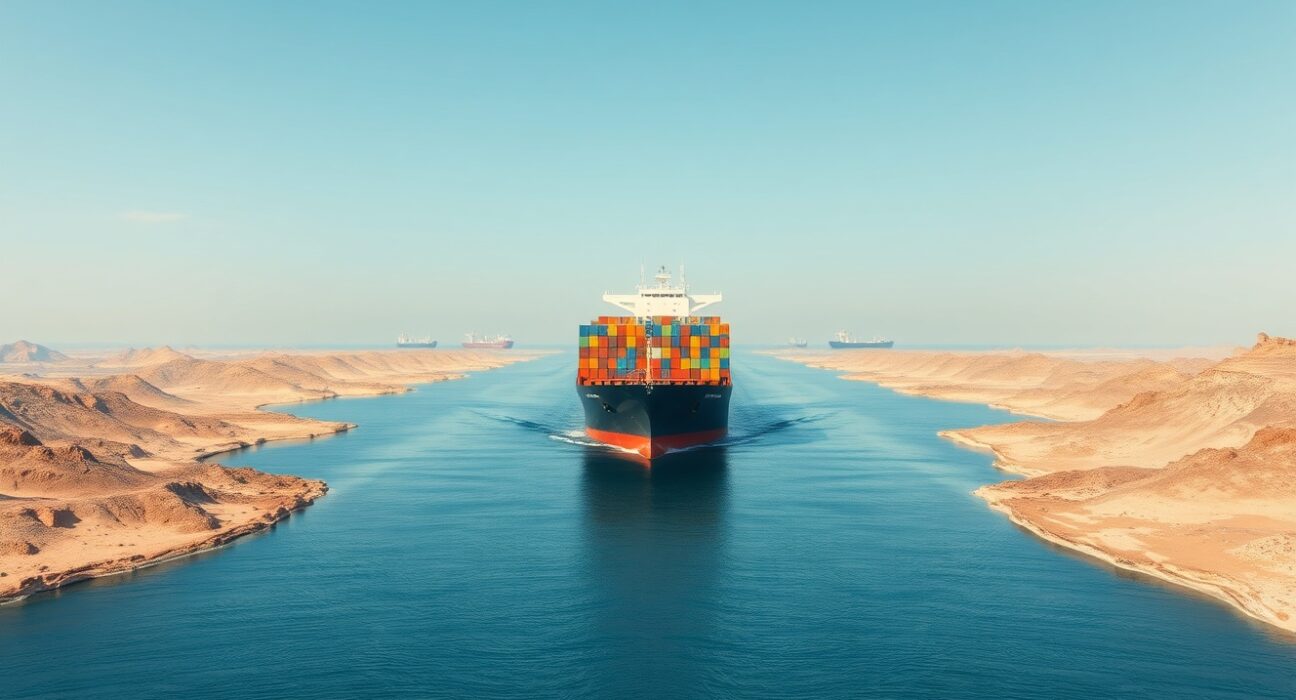
FRANKFURT, Germany – March 2025: The Strait of Hormuz, a narrow maritime passage carrying approximately 20% of global oil consumption, represents a persistent vulnerability for the European economy. Recent analysis from Rabobank highlights how disruptions in this critical chokepoint could trigger significant EUR inflation shocks and fundamentally reshape the continent’s political landscape. This assessment comes amid ongoing regional tensions and Europe’s continued dependence on imported energy.
Understanding the Strait of Hormuz Inflation Mechanism
The economic transmission channel from the Persian Gulf to European consumers is both direct and powerful. Firstly, the Strait serves as the export route for nearly all liquefied natural gas (LNG) from Qatar and a substantial portion of crude oil from Saudi Arabia, Iraq, and the United Arab Emirates. Consequently, any maritime disruption immediately constricts global supply. European benchmark prices for Brent crude and Dutch TTF natural gas typically spike within hours of reported incidents. These price increases then feed directly into transportation, manufacturing, and heating costs across the EU.
Secondly, market psychology amplifies the physical impact. Traders often price in a ‘geopolitical risk premium’ during periods of instability, which can inflate energy contracts even before actual supply reductions occur. This phenomenon creates a double-hit for European economies: higher actual costs and anticipatory market behavior. Historical data shows that a 10% sustained increase in oil prices can add 0.2-0.3 percentage points to Eurozone inflation within two quarters. For instance, the 2019 tanker attacks and the 2022 regional tensions provided clear case studies of this volatility transmission.
Rabobank’s Analytical Framework
Rabobank economists employ a multi-scenario model to assess potential impacts. Their baseline scenario assumes minor, temporary disruptions. However, their stress scenario models a severe, month-long closure of the Strait. In this case, they project Brent crude could surge above $150 per barrel. For the Eurozone, this translates to headline inflation re-accelerating towards 5-6%, potentially forcing the European Central Bank (ECB) into a more aggressive monetary policy stance. The bank’s research emphasizes that Europe’s strategic petroleum reserves, while helpful, could only offset a full closure for several weeks at current consumption rates.
The Political Domino Effect Within the EU
An inflation shock originating from the Middle East would not exist in an economic vacuum. Instead, it would interact explosively with existing political fractures within the European Union. National governments face immediate pressure to shield consumers from soaring energy bills through subsidies or price caps. These measures, however, conflict with EU-level fiscal rules and state aid regulations. Consequently, a crisis could reignite debates between fiscally conservative northern member states and southern and eastern nations demanding greater solidarity and flexibility.
Furthermore, energy security strategies would face urgent scrutiny. The EU’s ‘Green Deal’ and diversification efforts, while long-term solutions, offer little immediate relief during a sudden supply crisis. Political movements advocating for renewed investment in domestic fossil fuels or nuclear energy could gain significant traction. This dynamic would test the cohesion of ruling coalitions in Germany, France, and Italy, where energy policy remains a deeply divisive issue. Rabobank analysts note that previous energy crises have consistently boosted populist and eurosceptic parties who campaign on national sovereignty over energy.
| Scenario | Oil Price Impact | Eurozone Inflation Add | Likely ECB Response |
|---|---|---|---|
| Minor Skirmish (Days) | +$10-$15/bbl | +0.4 pp | Hawkish Rhetoric |
| Significant Attack (Weeks) | +$25-$40/bbl | +1.2 pp | Pause Rate Cuts |
| Major Closure (Month+) | +$50-$70/bbl | +2.5 pp+ | Potential Rate Hikes |
Broader Implications for European Security and Diplomacy
The geopolitical ramifications extend far beyond economics. A sustained crisis would force the EU to recalibrate its foreign policy in the Gulf region. Currently, the Union maintains a delicate balance, engaging with all regional actors while attempting to uphold a rules-based international order. A severe disruption would increase dependence on diplomatic and military partnerships with the United States to ensure freedom of navigation. This reliance could undermine the EU’s strategic autonomy goals, a key pillar of its recent security documents.
Simultaneously, member states might pursue bilateral deals with Gulf producers, fragmenting the common EU energy market. Such actions would weaken the bloc’s collective bargaining power. Experts point to the need for accelerated investment in alternative infrastructure, including the Southern Gas Corridor and enhanced LNG terminals in Northern Europe. However, these projects require years to complete, leaving a persistent vulnerability window. The situation underscores the intrinsic link between Europe’s economic stability and global maritime security.
Historical Context and Future Preparedness
Europe’s exposure is not a new revelation. The 1973 oil embargo and the 1980s ‘Tanker War’ during the Iran-Iraq conflict delivered similar shocks. However, the current context differs critically. The EU now has a single currency, making monetary policy responses more complex than when nations could individually devalue. Additionally, the bloc’s industrial base has shifted, with some energy-intensive industries having already relocated. This means an inflation shock now hits consumers and services more directly. Preparedness measures must therefore focus on strategic reserves, demand-reduction protocols, and reinforcing diplomatic channels for crisis management.
Conclusion
Rabobank’s analysis serves as a stark reminder of the European Union’s enduring geopolitical and economic vulnerabilities. The Strait of Hormuz remains a critical chokepoint where regional instability can swiftly translate into EUR inflation pressures and profound EU political consequences. While diversification and green transition offer long-term resilience, the near-term risk necessitates robust contingency planning, enhanced strategic storage, and cohesive foreign policy. The stability of the Eurozone consumer economy and the political unity of the bloc may well depend on navigating these turbulent waters successfully.
FAQs
Q1: Why is the Strait of Hormuz so important for Europe?
The Strait is the transit route for about 20% of globally traded oil and a significant portion of LNG, particularly from Qatar. Europe imports a large share of its energy from suppliers who export via this channel, making it a direct pipeline for price shocks.
Q2: How quickly could a Hormuz disruption affect European gas and electricity prices?
Wholesale energy markets react within hours. Retail prices for consumers and businesses typically follow with a lag of weeks to months, depending on contract structures and government intervention policies.
Q3: What is the EU’s main strategy to reduce this risk?
The strategy is threefold: diversifying energy suppliers (including US LNG and African gas), accelerating the renewable energy transition under the Green Deal, and maintaining coordinated strategic reserves of oil and gas.
Q4: Could this inflation shock affect the European Central Bank’s interest rate decisions?
Absolutely. The ECB’s primary mandate is price stability. A supply-driven inflation spike caused by an energy shock would complicate its policy path, potentially forcing it to maintain higher interest rates for longer to prevent second-round effects on wages and core inflation.
Q5: Which EU countries are most vulnerable to a Hormuz-related energy shock?
Countries with high dependency on imported oil and gas for electricity generation and without diversified supply routes are most at risk. This often includes nations in Central and Eastern Europe, as well as larger economies like Germany and Italy, which have significant industrial gas demand.
Disclaimer: The information provided is not trading advice, Bitcoinworld.co.in holds no liability for any investments made based on the information provided on this page. We strongly recommend independent research and/or consultation with a qualified professional before making any investment decisions.
