

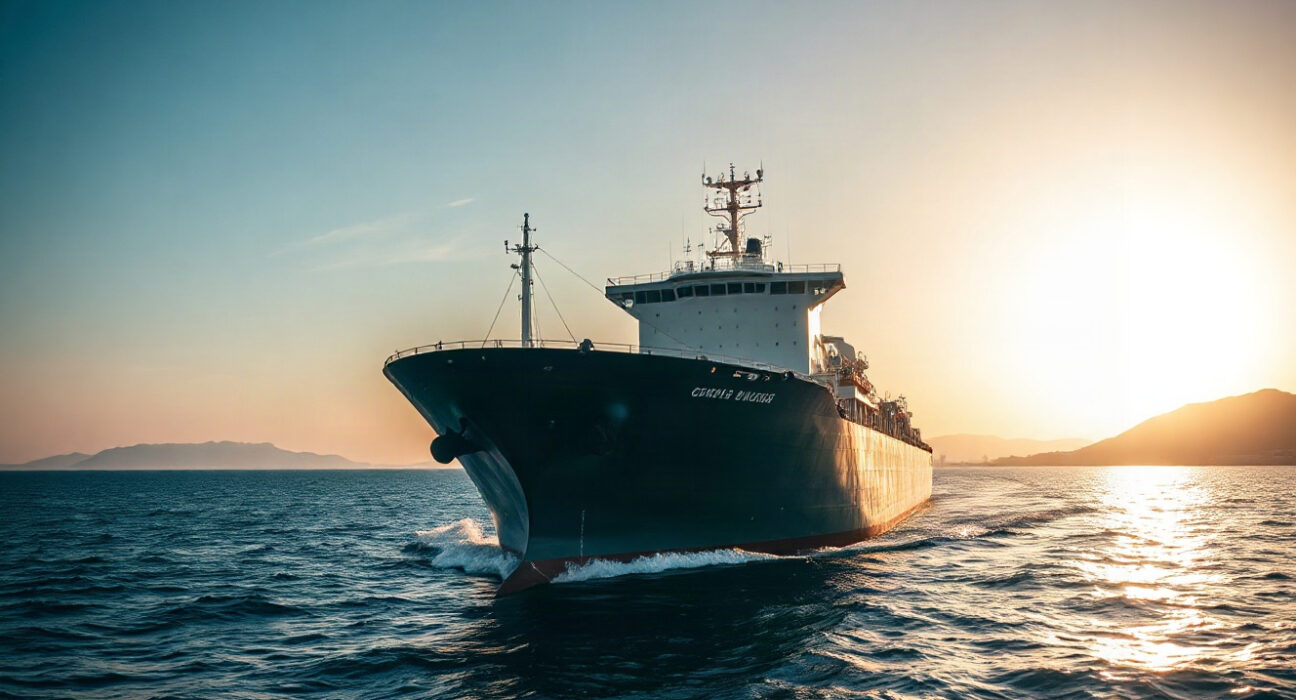
Rabobank has warned that the ongoing stalemate in the Strait of Hormuz continues to sustain elevated oil price risks, keeping inflation pressures alive in the global economy. In a research note titled “Oil: Hormuz stalemate sustains inflation risks,” the Dutch bank highlights that the strategic waterway remains a flashpoint, with any disruption to tanker traffic posing a direct threat to crude supply and, consequently, to consumer prices worldwide.
Why the Strait of Hormuz Matters
The Strait of Hormuz is a narrow passage between the Persian Gulf and the Gulf of Oman, through which roughly 20% of global oil consumption passes daily. This chokepoint’s significance cannot be overstated: any closure or significant disruption would force tankers to take longer alternative routes, reducing effective supply and spiking prices. Rabobank’s analysis underscores that the current political and military standoff in the region—rather than a full blockade—keeps the market on edge, with the threat premium embedded in oil futures.
Inflation Implications
Oil prices feed directly into inflation through fuel costs, transportation, and the price of goods. As of the latest data, consumer price indices in major economies remain above central bank targets, and Rabobank argues that sustained oil price risks could delay the path to lower interest rates. The bank’s note suggests that if the Hormuz situation remains unresolved, energy costs will continue to exert upward pressure on headline inflation, complicating monetary policy decisions for the Federal Reserve, the European Central Bank, and other central banks.
Market and Consumer Impact
For consumers, the implications are tangible: higher fuel prices at the pump, increased airfare, and costlier goods due to elevated shipping expenses. For markets, the risk premium on oil futures is likely to persist, keeping energy stocks volatile and affecting currency valuations in oil-importing nations. Rabobank’s assessment serves as a reminder that geopolitical events in distant regions can have immediate and far-reaching economic consequences.
Conclusion
Rabobank’s analysis highlights a critical intersection of geopolitics and economics. The stalemate in the Strait of Hormuz is not just a regional issue; it is a global economic risk factor that sustains inflation and complicates central bank strategies. As long as the standoff continues, businesses and consumers should brace for potential oil price spikes and their knock-on effects on the cost of living.
FAQs
Q1: What is the Strait of Hormuz and why is it important?
The Strait of Hormuz is a narrow waterway between the Persian Gulf and the Gulf of Oman, through which about 20% of the world’s oil passes. It is a critical chokepoint for global energy supplies, and any disruption there can significantly impact oil prices and the global economy.
Q2: How does the Hormuz stalemate affect inflation?
The threat of supply disruption keeps oil prices elevated, which increases costs for fuel, transportation, and goods. This feeds into consumer price indices, sustaining inflationary pressures that central banks are trying to control.
Q3: What did Rabobank specifically say about oil and inflation?
Rabobank’s note titled “Oil: Hormuz stalemate sustains inflation risks” argues that the ongoing standoff in the Strait of Hormuz keeps oil price risks high, which in turn sustains inflation risks for the global economy.
Disclaimer: The information provided is not trading advice, Bitcoinworld.co.in holds no liability for any investments made based on the information provided on this page. We strongly recommend independent research and/or consultation with a qualified professional before making any investment decisions.
