

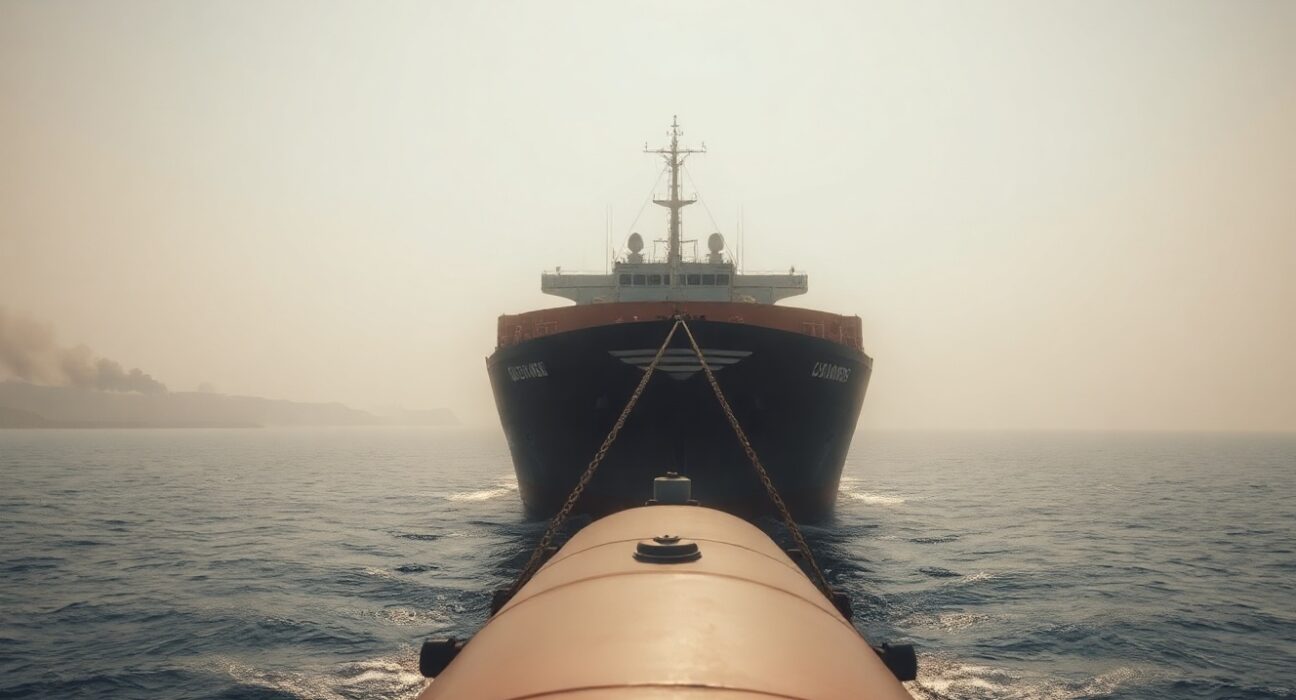
Yemen’s Iran-backed Houthi movement has intensified military operations against Israel and announced a ban on Israeli shipping in the Red Sea, marking a significant escalation in the ongoing Middle East conflict. The group, which controls large parts of Yemen, has launched drone and missile attacks targeting Israeli territory and commercial vessels linked to Israel, disrupting one of the world’s most critical maritime trade routes.
Background of Houthi Operations
The Houthis, formally known as Ansar Allah, have been engaged in a years-long civil war in Yemen against a Saudi-led coalition. Since November 2023, the group has increasingly targeted Israel and Red Sea shipping, claiming solidarity with Palestinians amid the Israel-Hamas war in Gaza. Their arsenal includes ballistic missiles, cruise missiles, and drones supplied or developed with Iranian support. The group’s leadership has repeatedly stated that attacks will continue until Israel ends its military campaign in Gaza.
Impact on Red Sea Shipping
The Red Sea is a vital chokepoint for global trade, with approximately 12% of the world’s seaborne oil and 8% of liquefied natural gas passing through its waters. Major shipping lines, including Maersk and Hapag-Lloyd, have rerouted vessels around the Cape of Good Hope, adding weeks to transit times and significantly increasing costs. Insurance premiums for ships transiting the Red Sea have surged, and some insurers have stopped covering war risk altogether. The disruption threatens to reignite supply chain inflation and delay deliveries of essential goods, including food and fuel, to Europe and Asia.
Economic and Energy Market Repercussions
The attacks have already pushed up oil prices and raised concerns about energy security. Brent crude futures saw a sharp increase following the Houthi announcements. Analysts warn that sustained disruption could lead to higher fuel costs for consumers and strain economies already grappling with inflation. The Suez Canal, which connects the Red Sea to the Mediterranean, has seen a drop in traffic, impacting Egypt’s foreign currency revenues. The broader economic fallout underscores how regional conflicts can have immediate global consequences.
Geopolitical Dimensions
Iran’s role in supporting the Houthis adds a layer of complexity to the crisis. Tehran has denied direct involvement in the attacks but has praised the Houthi actions. The United States has condemned the strikes and announced the formation of a multinational naval task force, Operation Prosperity Guardian, to protect shipping in the Red Sea. However, the Houthis have vowed to continue their operations despite international military presence. The situation risks drawing in other regional actors and further destabilizing an already volatile Middle East.
Conclusion
The Houthi attacks on Israel and the Red Sea shipping ban represent a dangerous escalation with far-reaching implications for regional security and the global economy. As the conflict continues, the international community faces the challenge of protecting maritime trade while avoiding a broader war. The coming weeks will be critical in determining whether diplomatic efforts can de-escalate tensions or if the region slides into a more protracted and costly confrontation.
FAQs
Q1: Why are the Houthis attacking Israel and Red Sea shipping?
The Houthis state they are acting in solidarity with Palestinians during the Israel-Hamas war. They demand an end to Israeli military operations in Gaza and the lifting of the blockade.
Q2: How are shipping companies responding to the attacks?
Major shipping lines are rerouting vessels around the Cape of Good Hope, which adds 10–14 days to transit times and increases fuel and operational costs. Some are also pausing Red Sea transits until security improves.
Q3: What is Operation Prosperity Guardian?
It is a U.S.-led multinational naval task force established to protect commercial shipping in the Red Sea and Gulf of Aden. Participating countries include the UK, France, Italy, and others, though the Houthis have not been deterred by its presence.
Disclaimer: The information provided is not trading advice, Bitcoinworld.co.in holds no liability for any investments made based on the information provided on this page. We strongly recommend independent research and/or consultation with a qualified professional before making any investment decisions.
