

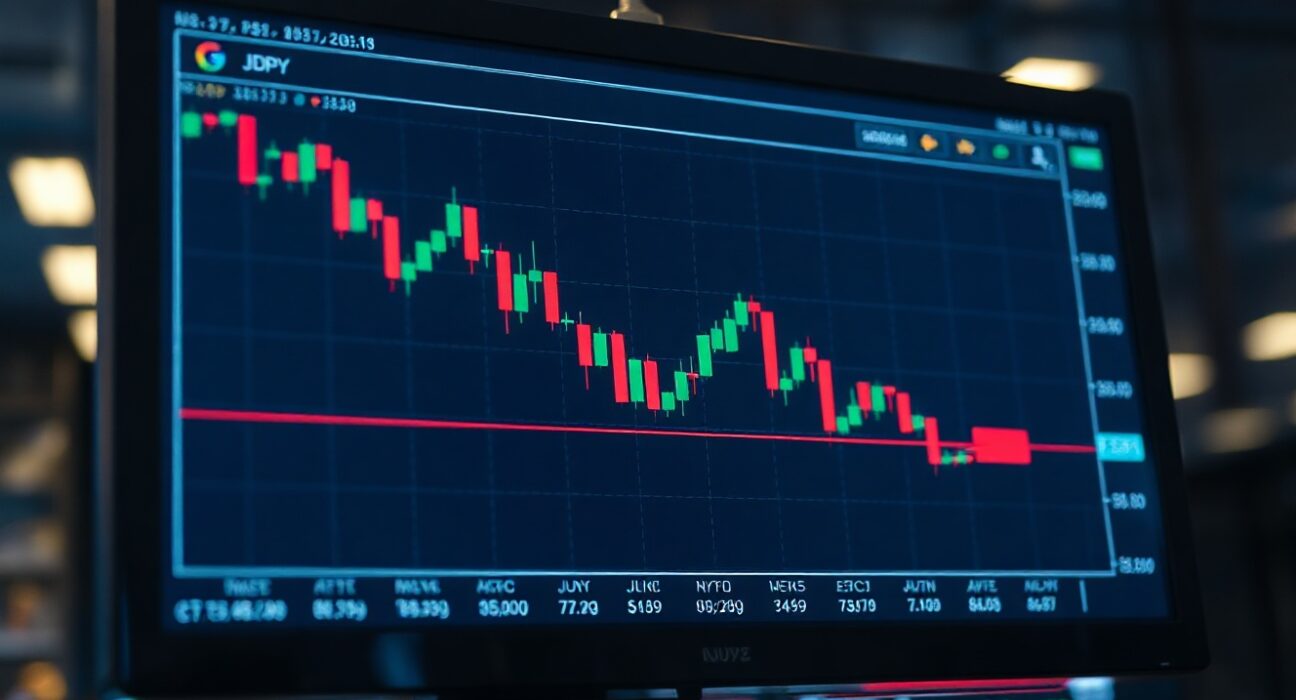
The Japanese yen has continued its downward trajectory against the US dollar, trading at levels that have historically prompted direct intervention by Japanese authorities. As of the latest session, the USD/JPY pair is hovering near the 152 mark, a threshold that has previously triggered verbal warnings and actual market action from the Ministry of Finance and the Bank of Japan.
Drivers Behind the Yen’s Decline
The yen’s persistent weakness is primarily driven by the widening interest rate differential between Japan and the United States. While the Federal Reserve has maintained elevated rates to combat inflation, the Bank of Japan has only gradually moved away from its ultra-loose monetary policy, keeping Japanese yields comparatively low. This divergence encourages carry trades, where investors borrow yen at low rates to invest in higher-yielding dollar-denominated assets, putting sustained selling pressure on the Japanese currency.
Additionally, recent economic data from Japan has been mixed, with core inflation slowing and consumer spending remaining tepid. This has reduced market expectations for aggressive rate hikes by the BOJ, further weakening the yen’s support.
Intervention Risk Rises
The current trading zone is significant because it matches the levels at which Japan intervened in the currency market in 2022 and 2023. In those instances, the Ministry of Finance stepped in to buy yen and sell dollars, temporarily stabilizing the currency. However, the effectiveness of such interventions has been debated, as they often provide only short-term relief unless backed by fundamental policy changes.
Japanese officials, including Finance Minister Shunichi Suzuki and top currency diplomat Masato Kanda, have recently reiterated their stance that they are watching currency movements with a high sense of urgency and will take appropriate action against excessive volatility. Markets are now pricing in a higher probability of another intervention, especially if the yen weakens beyond the 155 level.
What This Means for Traders and Investors
For forex traders, the key question is whether the BOJ will signal a more hawkish shift at its upcoming policy meeting or if intervention alone will be used as a tool. The risk of sudden, sharp reversals is elevated when the yen is at these levels. Investors holding yen-denominated assets or exposed to Japanese equities should monitor policy announcements closely.
For the broader economy, a weak yen boosts exports and tourism but raises import costs, particularly for energy and food, squeezing household budgets. The BOJ faces a delicate balancing act between supporting growth and preventing imported inflation from becoming entrenched.
Conclusion
The Japanese yen’s slide to previous intervention levels underscores the ongoing challenges facing Japanese policymakers. While intervention remains a possibility, sustainable yen strength likely requires a clearer shift in BOJ monetary policy or a narrowing of the US-Japan rate differential. Until then, the currency remains vulnerable to further losses and sudden official responses.
FAQs
Q1: What level of USD/JPY typically triggers Japanese intervention?
Historically, Japan has intervened when the yen weakened beyond 150 against the US dollar, with actual action often occurring near 152 or higher, especially when the pace of decline is rapid.
Q2: How does the Bank of Japan’s policy affect the yen?
The BOJ’s ultra-loose monetary policy, including negative interest rates and yield curve control, keeps Japanese yields low, making the yen less attractive for investors compared to currencies like the US dollar, leading to depreciation.
Q3: Can currency intervention by Japan permanently strengthen the yen?
Intervention typically provides only temporary relief. For a lasting impact, it must be accompanied by fundamental policy changes, such as interest rate hikes or a shift in the BOJ’s monetary stance, which address the root causes of yen weakness.
Disclaimer: The information provided is not trading advice, Bitcoinworld.co.in holds no liability for any investments made based on the information provided on this page. We strongly recommend independent research and/or consultation with a qualified professional before making any investment decisions.
