

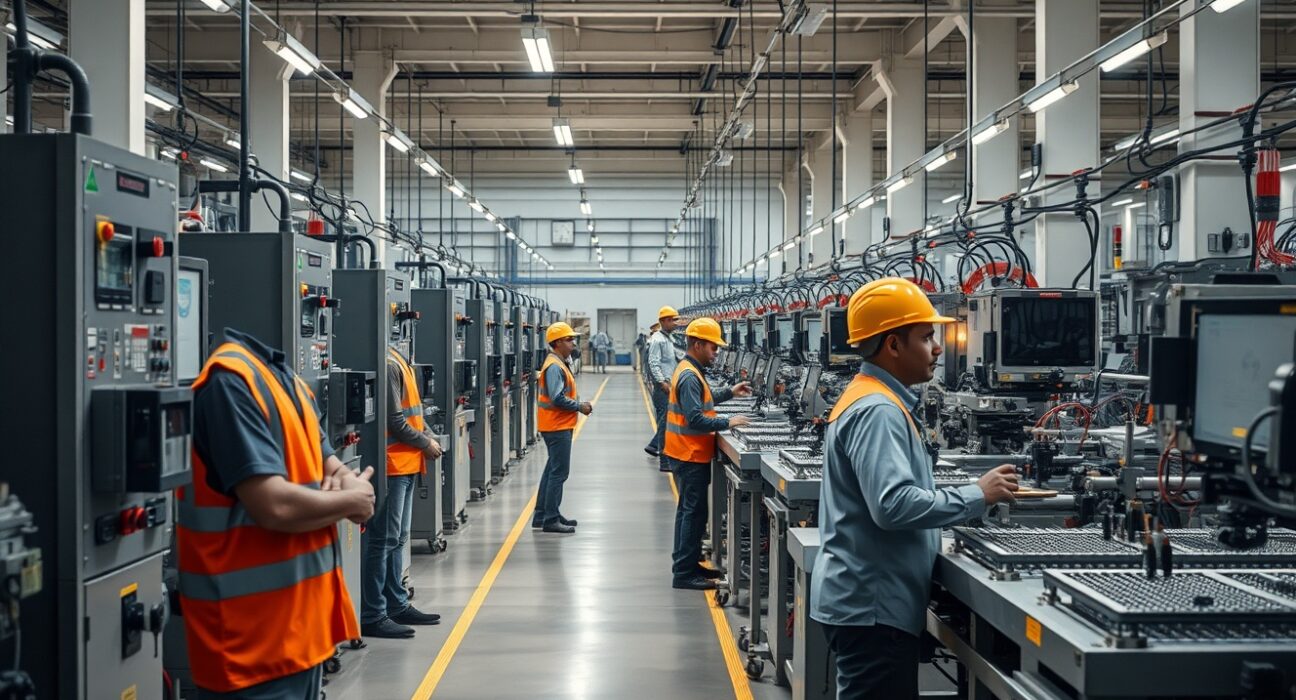
India’s cumulative industrial output, measured by the Index of Industrial Production (IIP), rose to 5.1% in May, up from 4.1% recorded in the previous month. The data, released by the Ministry of Statistics and Programme Implementation, reflects a broad-based improvement in manufacturing, mining, and electricity generation sectors during the period.
Understanding the IIP Growth Trajectory
The cumulative IIP figure captures the average growth in industrial production for the first two months of the current fiscal year (April–May). The acceleration from 4.1% to 5.1% indicates a strengthening of industrial activity compared to the previous year’s corresponding period. This growth is particularly significant as it follows a global slowdown in demand and persistent supply chain challenges faced by several emerging economies.
Manufacturing, which accounts for the largest weight in the IIP basket, has been the primary driver of this uptick. Sectors such as basic metals, chemicals, and automotive components have shown improved output, supported by robust domestic demand and gradual normalization of input costs.
What This Means for the Broader Economy
The steady rise in industrial output is a positive signal for India’s GDP growth trajectory. Higher industrial production typically correlates with increased employment, better capacity utilization, and stronger tax revenues. For investors and policymakers, this data point reinforces the narrative of a resilient domestic economy even as global headwinds persist.
However, economists caution that the recovery remains uneven. While capital goods and infrastructure-related industries are performing well, consumer goods segments, particularly non-durables, have shown mixed results. The sustainability of this growth will depend on continued policy support, monsoon patterns affecting rural demand, and global commodity price trends.
Key Sectors Contributing to the Growth
- Manufacturing: Grew at a robust pace, led by basic metals, pharmaceuticals, and automotive production.
- Mining: Recorded moderate growth, supported by increased coal and crude oil extraction.
- Electricity: Generation rose steadily, reflecting higher industrial and residential consumption.
Context and Comparisons
The current IIP growth of 5.1% for the April–May period compares favorably with the same period last fiscal year, which stood at around 4.5%. This suggests that industrial momentum is not only being maintained but is also gradually accelerating. It is worth noting that the base effect has played a role — the previous year’s figures were influenced by post-pandemic recovery dynamics.
In a regional context, India’s industrial performance remains among the strongest in Asia, outpacing several neighboring economies that are grappling with slower export demand and political uncertainties.
Conclusion
The rise in India’s cumulative industrial output to 5.1% in May is a credible indicator of the economy’s underlying strength. While challenges remain, particularly in ensuring inclusive growth across all industrial segments, the data supports a cautiously optimistic outlook for the remainder of the fiscal year. Policymakers and market participants will closely monitor upcoming monthly releases to assess whether this momentum can be sustained.
FAQs
Q1: What is the Index of Industrial Production (IIP)?
The IIP is a key economic indicator that measures the growth of various industrial sectors in India, including manufacturing, mining, and electricity. It is released monthly by the Ministry of Statistics and Programme Implementation.
Q2: Why did the cumulative IIP rise to 5.1% in May?
The increase was primarily driven by higher output in manufacturing sectors such as basic metals, chemicals, and automotive components, along with steady growth in electricity generation and mining activities.
Q3: How does the IIP impact the common person?
A higher IIP generally indicates more industrial activity, which can lead to job creation, higher wages, and better availability of goods. It also reflects overall economic health, influencing government policy and investment decisions.
Disclaimer: The information provided is not trading advice, Bitcoinworld.co.in holds no liability for any investments made based on the information provided on this page. We strongly recommend independent research and/or consultation with a qualified professional before making any investment decisions.
