

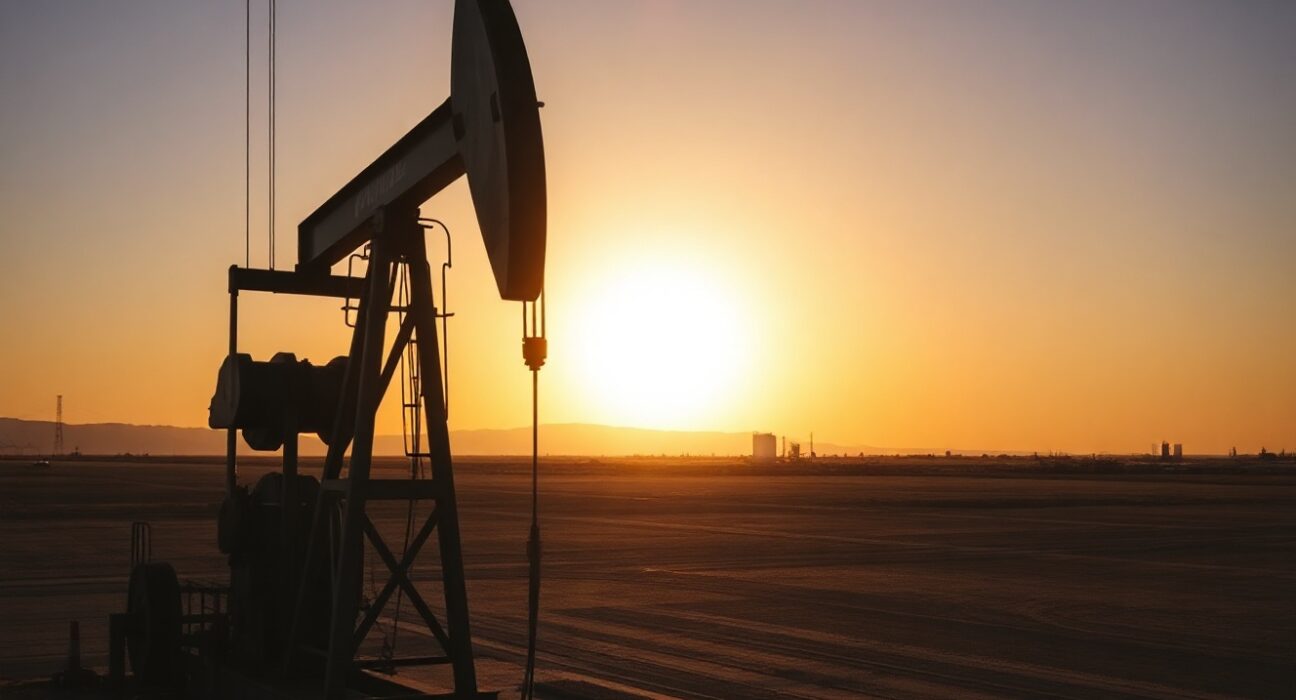
Oil prices edged higher on Tuesday as persistent supply risks continued to support the market, with traders weighing geopolitical tensions and production concerns against broader economic headwinds.
Supply Concerns Drive Market Sentiment
The latest uptick in crude prices reflects ongoing worries about supply disruptions in key producing regions. Geopolitical risks, including tensions in the Middle East and production shortfalls in some OPEC+ members, have kept the market on edge. As of this week, Brent crude and West Texas Intermediate (WTI) both recorded gains, extending a recent trend of volatility.
Market participants are closely monitoring the situation, as any significant supply disruption could quickly tighten the global balance. However, demand-side concerns, particularly from major economies like China and the United States, continue to cap price gains. The interplay between these factors is likely to keep oil prices range-bound in the near term.
Why This Matters for Consumers and Investors
For consumers, higher oil prices often translate into increased costs at the pump and higher energy bills. For investors, the energy sector remains a key barometer of global economic health. The current supply risks add a layer of uncertainty to an already complex market environment.
Analysts note that while the market has absorbed recent shocks, the potential for further disruptions remains. The ongoing geopolitical landscape and the possibility of production cuts by major exporters are factors that could push prices higher. Conversely, a slowdown in global economic activity could weigh on demand and offset supply concerns.
Key Factors to Watch
- Geopolitical developments in oil-producing regions
- OPEC+ production decisions and compliance
- Global demand signals, especially from Asia
- Inventory data from major economies
Conclusion
Oil prices are navigating a delicate balance between supply risks and demand uncertainties. While the immediate outlook is shaped by geopolitical tensions and production constraints, the broader economic environment will play a crucial role in determining the direction of prices in the coming weeks. For now, the market remains alert to any developments that could tip the balance.
FAQs
Q1: Why are oil prices rising?
Oil prices are rising due to persistent supply risks, including geopolitical tensions in key producing regions and potential production shortfalls. These factors create concerns about adequate supply in the global market.
Q2: How do higher oil prices affect consumers?
Higher oil prices typically lead to increased fuel costs, which can raise the price of goods and services due to higher transportation expenses. This can also lead to higher energy bills for households.
Q3: What could cause oil prices to fall?
Oil prices could fall if global demand weakens significantly, if geopolitical tensions ease, or if major producers increase output beyond expectations. Economic slowdowns in major economies can also reduce demand and push prices down.
Disclaimer: The information provided is not trading advice, Bitcoinworld.co.in holds no liability for any investments made based on the information provided on this page. We strongly recommend independent research and/or consultation with a qualified professional before making any investment decisions.
