

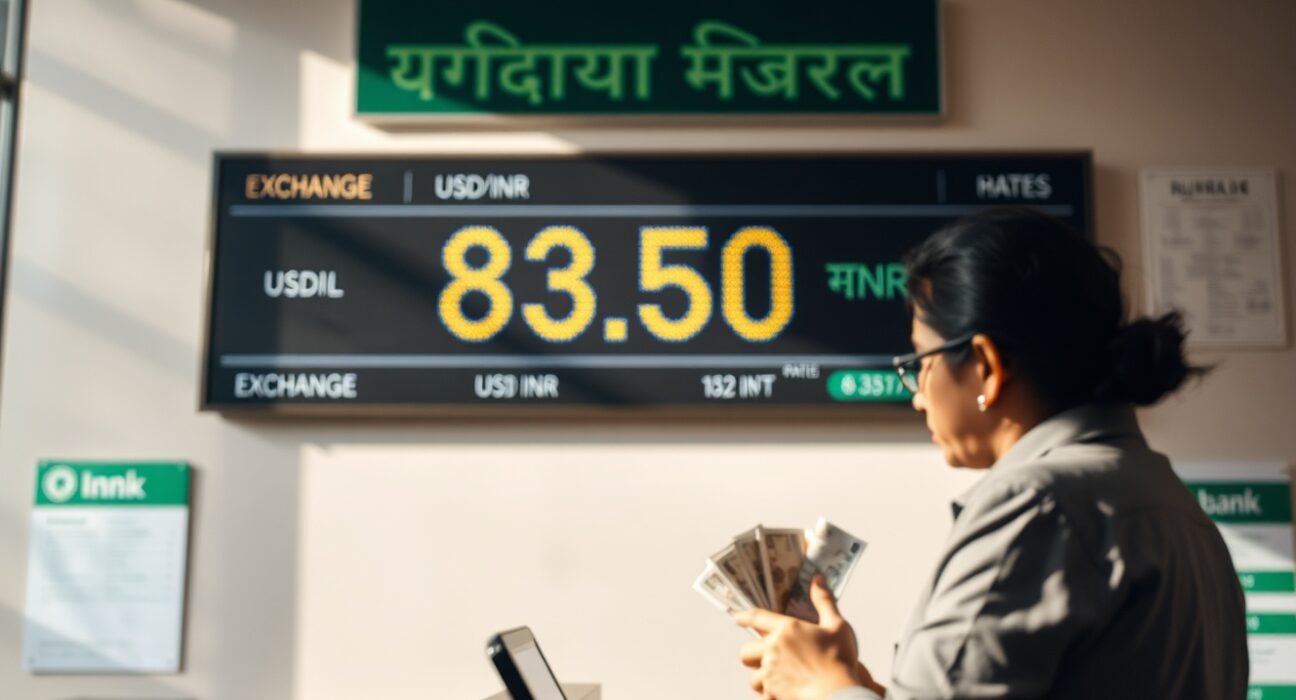
The Indian rupee traded in a narrow range on Tuesday, remaining largely flat against the US dollar as currency markets turned their attention to high-stakes nuclear negotiations between the United States and Iran, set to take place in Oman this week. The USD/INR pair hovered near 83.50, reflecting cautious positioning among traders awaiting clarity on geopolitical developments that could influence crude oil prices and, by extension, India’s import bill.
Geopolitical catalyst: US-Iran talks in Oman
The upcoming talks in Muscat, Oman, mark a significant diplomatic effort to revive the Joint Comprehensive Plan of Action (JCPOA), the 2015 nuclear deal that has been in limbo since the US withdrawal in 2018. Markets are closely watching for any signs of progress or breakdown, as the outcome directly affects global oil supply dynamics. Iran holds some of the world’s largest proven oil reserves, and a potential easing of sanctions could bring additional barrels to an already tight market.
For India, the world’s third-largest oil consumer and importer, any movement in crude prices has an outsized impact on its trade deficit, inflation, and currency stability. A successful deal could lower oil prices, reducing India’s import costs and supporting the rupee. Conversely, a failure or escalation could push crude higher, adding pressure on the rupee and widening the current account deficit.
Rupee under pressure: Domestic factors in play
Beyond the Oman talks, the rupee has been navigating a complex domestic landscape. The Reserve Bank of India (RBI) has been actively intervening in the forex market to prevent excessive volatility, using its substantial foreign exchange reserves to smooth out sharp moves. However, persistent foreign portfolio outflows from Indian equities, coupled with a strengthening US dollar index, have kept the rupee under steady pressure in recent weeks.
India’s inflation data, particularly the Consumer Price Index (CPI) print for March, is due later this week and could provide further direction. A higher-than-expected reading might reduce the scope for RBI rate cuts, potentially supporting the rupee by attracting foreign capital. Conversely, softer inflation could reignite expectations of monetary easing, weighing on the currency.
Crude oil: The invisible hand
Crude oil remains the single most important external variable for the rupee. India imports approximately 85% of its crude oil requirements, and every $10 per barrel increase in oil prices adds roughly $15 billion to India’s annual import bill. This worsens the trade deficit and puts downward pressure on the rupee. Brent crude has been trading around $85-90 per barrel in recent sessions, and the outcome of the Oman talks could determine whether prices break higher or retreat.
Traders are also monitoring the possibility of OPEC+ production adjustments, though the cartel has shown little inclination to change output levels in the near term. The combination of geopolitical risk and supply-side constraints means oil prices are likely to remain volatile, keeping the rupee vulnerable.
Conclusion
The Indian rupee’s current flat trading range reflects a market in wait-and-see mode. The US-Iran talks in Oman represent a pivotal moment that could reshape global oil supply expectations and, by extension, the outlook for the rupee. Until a clearer picture emerges, the currency is likely to remain range-bound, with the RBI’s intervention providing a backstop against sharp moves. Traders and importers should brace for potential volatility as the talks unfold later this week.
FAQs
Q1: Why is the US-Iran talks in Oman important for the Indian rupee?
The talks could lead to a revival of the nuclear deal, potentially easing sanctions on Iranian oil exports. This would increase global oil supply, lower crude prices, and reduce India’s import bill, supporting the rupee.
Q2: How does the RBI influence the rupee’s movement?
The Reserve Bank of India actively intervenes in the forex market by buying or selling US dollars to prevent excessive volatility. It uses its foreign exchange reserves to smooth out sharp fluctuations and maintain orderly market conditions.
Q3: What other factors are currently affecting the Indian rupee?
Key factors include foreign portfolio outflows from Indian equities, the strength of the US dollar index, domestic inflation data, and crude oil prices. The RBI’s monetary policy stance also plays a significant role in shaping market expectations.
Disclaimer: The information provided is not trading advice, Bitcoinworld.co.in holds no liability for any investments made based on the information provided on this page. We strongly recommend independent research and/or consultation with a qualified professional before making any investment decisions.
