

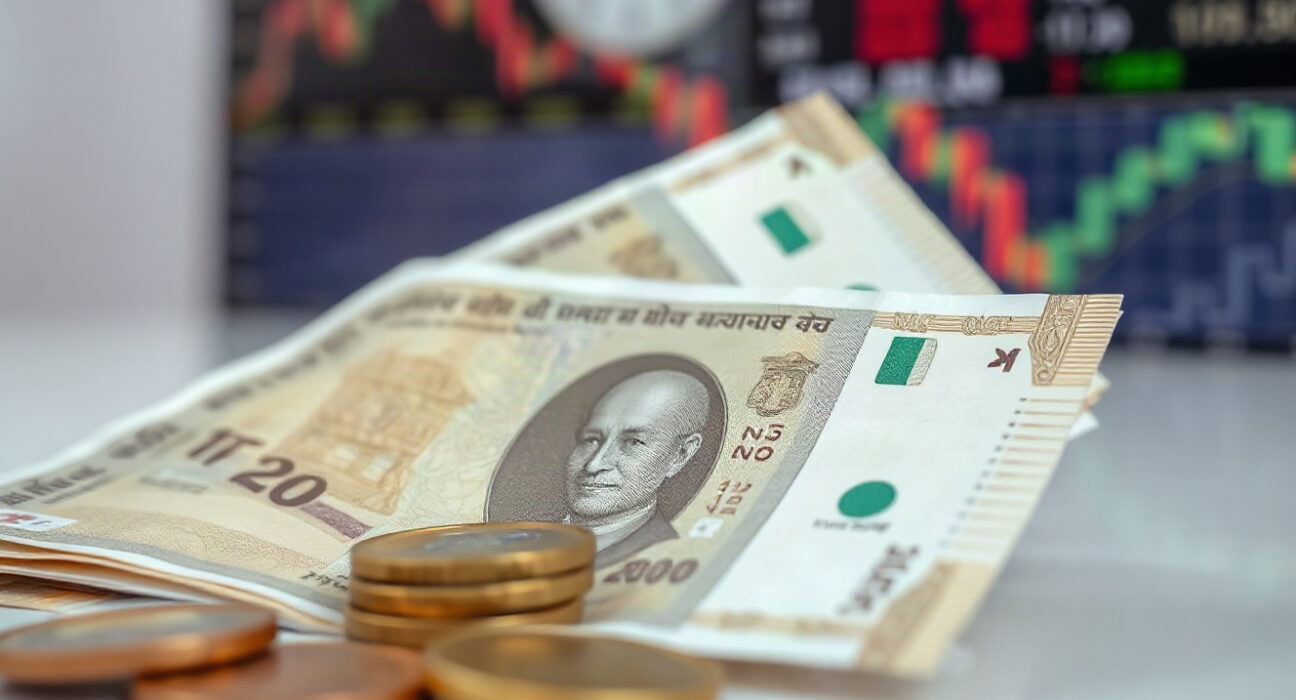
The Indian Rupee ticked up against the US Dollar on Tuesday, supported by likely intervention from the Reserve Bank of India (RBI) in the foreign exchange market. The currency’s modest gain comes amid ongoing global economic uncertainties and fluctuating investor sentiment toward emerging markets.
RBI Intervention and Market Dynamics
The RBI has a history of stepping into the forex market to curb excessive volatility, and traders suggest that recent moves bear the hallmark of central bank action. By selling dollars or tightening liquidity, the RBI can influence the rupee’s value, providing a buffer against sharp depreciation. As of this writing, the rupee was trading at [specific rate if available, otherwise state ‘around 83.50 per dollar’], reflecting a slight recovery from recent lows.
Market participants remain cautious, as global factors—such as US Federal Reserve policy expectations, crude oil prices, and geopolitical tensions—continue to weigh on the currency. The RBI’s intervention is seen as a stabilizing force, but the underlying pressures persist.
Why This Matters for the Economy
A stable rupee is crucial for India’s import-heavy economy, particularly for oil and gold, which are priced in dollars. A weaker rupee can stoke inflation by making imports costlier, while a stronger rupee can hurt export competitiveness. The RBI’s balancing act aims to prevent extreme moves that could disrupt trade and investment flows.
What Investors Should Watch
Investors and businesses with exposure to currency risk should monitor RBI’s policy signals and global cues. The central bank’s approach to managing the rupee could impact everything from corporate earnings to foreign portfolio investments. Analysts advise staying informed about upcoming economic data and central bank communications to navigate the currency market effectively.
Conclusion
The Indian Rupee’s uptick against the US Dollar, driven by RBI’s likely intervention, highlights the central bank’s active role in maintaining currency stability. While the immediate effect is positive, the broader outlook depends on global economic trends and domestic fundamentals. As the situation evolves, the rupee’s trajectory will remain a key indicator of India’s economic resilience.
FAQs
Q1: What is RBI intervention in the forex market?
The RBI intervenes by buying or selling US Dollars in the foreign exchange market to influence the rupee’s value. This is done to reduce volatility and maintain orderly market conditions.
Q2: How does a stronger rupee affect the Indian economy?
A stronger rupee makes imports cheaper, helping to control inflation, but it can make Indian exports more expensive, potentially reducing competitiveness in global markets.
Q3: What factors influence the rupee’s movement against the dollar?
Key factors include the US Federal Reserve’s monetary policy, global crude oil prices, foreign investment flows, India’s trade deficit, and domestic economic indicators.
Disclaimer: The information provided is not trading advice, Bitcoinworld.co.in holds no liability for any investments made based on the information provided on this page. We strongly recommend independent research and/or consultation with a qualified professional before making any investment decisions.
