

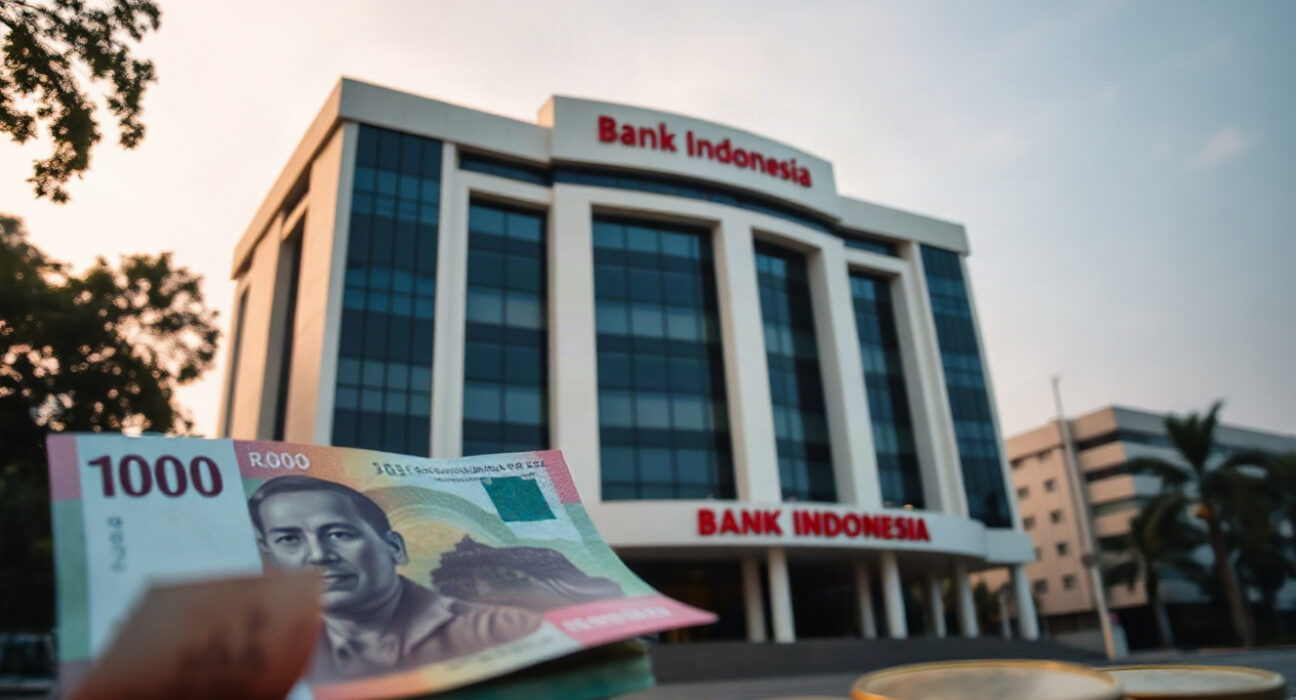
Bank Indonesia’s decision to hold interest rates is backed by the rupiah’s recent stability, according to a DBS analysis released on [Date]. The currency’s resilience provides the central bank with room to pause its tightening cycle, offering a breather for the Indonesian economy.
Why the Rupiah’s Stability Matters
The rupiah has shown notable stability against the US dollar in recent weeks, easing pressure on Bank Indonesia to hike rates aggressively. DBS notes that this stability is a key factor in the central bank’s ability to maintain its current policy stance. A stable currency helps control imported inflation and supports investor confidence, which are crucial for Southeast Asia’s largest economy.
Bank Indonesia’s Policy Stance
Bank Indonesia has held its benchmark interest rate steady at [latest rate] in its last few meetings, a move that aligns with DBS’s expectations. The central bank has emphasized its focus on rupiah stability and inflation control, but the recent calm in currency markets gives it more flexibility. This pause allows policymakers to assess the impact of previous rate hikes on growth while keeping inflation within its target range.
Implications for Investors and the Economy
For investors, the pause signals a more predictable monetary environment, which could support bond and equity markets. For the broader economy, stable rates mean borrowing costs remain unchanged, potentially supporting domestic consumption and investment. However, DBS also cautions that external risks, such as global commodity price swings or US Federal Reserve policy shifts, could still disrupt the rupiah’s calm and force Bank Indonesia to act.
Conclusion
In summary, DBS’s analysis underscores that the rupiah’s stability is a cornerstone of Bank Indonesia’s decision to hold rates. While the near-term outlook appears stable, policymakers remain vigilant against external shocks. The central bank’s balanced approach aims to sustain growth while keeping inflation in check, a strategy that will be tested as global economic conditions evolve.
FAQs
Q1: Why is the rupiah’s stability important for Bank Indonesia’s rate decision?
Stable currency reduces imported inflation and pressure on the central bank to hike rates, allowing it to focus on supporting economic growth.
Q2: What does DBS say about the future of BI’s monetary policy?
DBS expects BI to maintain its current rate as long as the rupiah remains stable, but external risks could prompt a shift if needed.
Q3: How does this affect the Indonesian economy?
Steady rates provide certainty for businesses and consumers, supporting investment and consumption, while helping to keep inflation within target.
Disclaimer: The information provided is not trading advice, Bitcoinworld.co.in holds no liability for any investments made based on the information provided on this page. We strongly recommend independent research and/or consultation with a qualified professional before making any investment decisions.
