

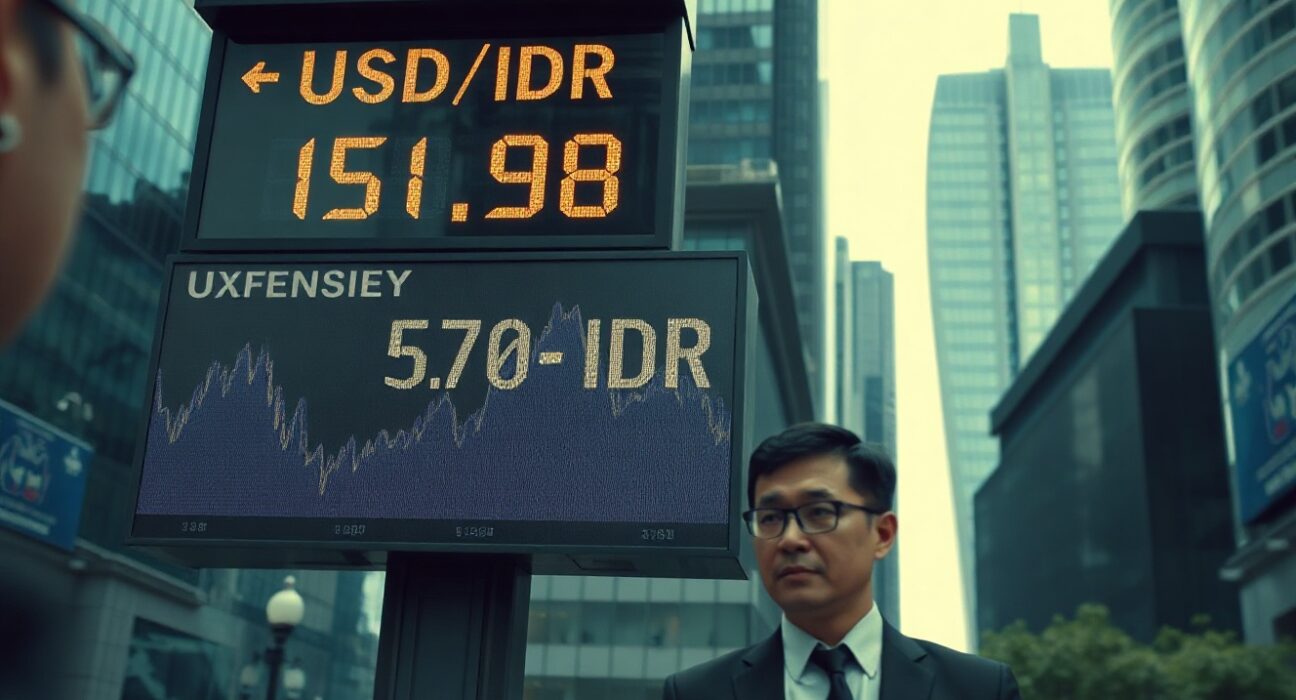
The Indonesian rupiah continues to face significant macroeconomic headwinds from a strong US dollar and domestic structural challenges, but analysts at MUFG Bank warn that reversal risks are also mounting, making the currency a key watch in emerging markets.
MUFG’s Assessment of Rupiah Pressures
In a recent note, MUFG highlighted that the rupiah remains under pressure from persistent US dollar strength, driven by the Federal Reserve’s hawkish stance and resilient US economic data. Additionally, Indonesia’s current account deficit and reliance on commodity exports expose the currency to global demand fluctuations. The bank notes that the Bank Indonesia’s intervention efforts have provided only temporary relief, as structural outflows from foreign portfolio investors weigh on the currency.
Reversal Risks and Key Levels
Despite these headwinds, MUFG points to potential reversal risks that could support the rupiah. A sharper-than-expected slowdown in the US economy or a pivot by the Federal Reserve could trigger a broad dollar selloff, benefiting emerging market currencies like the rupiah. Domestically, improvements in Indonesia’s trade balance from higher commodity prices or increased foreign direct investment inflows could also shift sentiment. The bank identifies key technical levels around IDR 15,500 per dollar as a critical support zone, with a break above IDR 16,000 signaling further weakness.
Implications for Investors and Businesses
For importers and companies with dollar-denominated debt, the rupiah’s weakness raises costs and squeezes margins. Exporters, however, may benefit from improved competitiveness. Investors in Indonesian bonds and equities should monitor currency stability closely, as prolonged rupiah depreciation could trigger capital outflows and weigh on local asset prices. MUFG advises a cautious approach, recommending hedging strategies for near-term exposure while watching for policy signals from both the Federal Reserve and Bank Indonesia.
Conclusion
The Indonesian rupiah is caught between strong external headwinds and potential domestic and global reversal catalysts. MUFG’s analysis underscores the importance of monitoring US economic data, Fed policy, and Indonesia’s trade dynamics for directional cues. While the near-term outlook remains challenging, the risk of a sharp reversal means traders and businesses should remain alert to changing conditions.
FAQs
Q1: Why is the Indonesian rupiah under pressure?
The rupiah is facing headwinds from a strong US dollar, Indonesia’s current account deficit, and foreign portfolio outflows, according to MUFG.
Q2: What could trigger a reversal for the rupiah?
A US economic slowdown or Federal Reserve pivot could weaken the dollar, while improved Indonesian trade balances or increased foreign investment could support the rupiah.
Q3: What are the key levels to watch for USD/IDR?
MUFG identifies IDR 15,500 as a support zone and IDR 16,000 as a resistance level, with a break above signaling further weakness.
Disclaimer: The information provided is not trading advice, Bitcoinworld.co.in holds no liability for any investments made based on the information provided on this page. We strongly recommend independent research and/or consultation with a qualified professional before making any investment decisions.
