

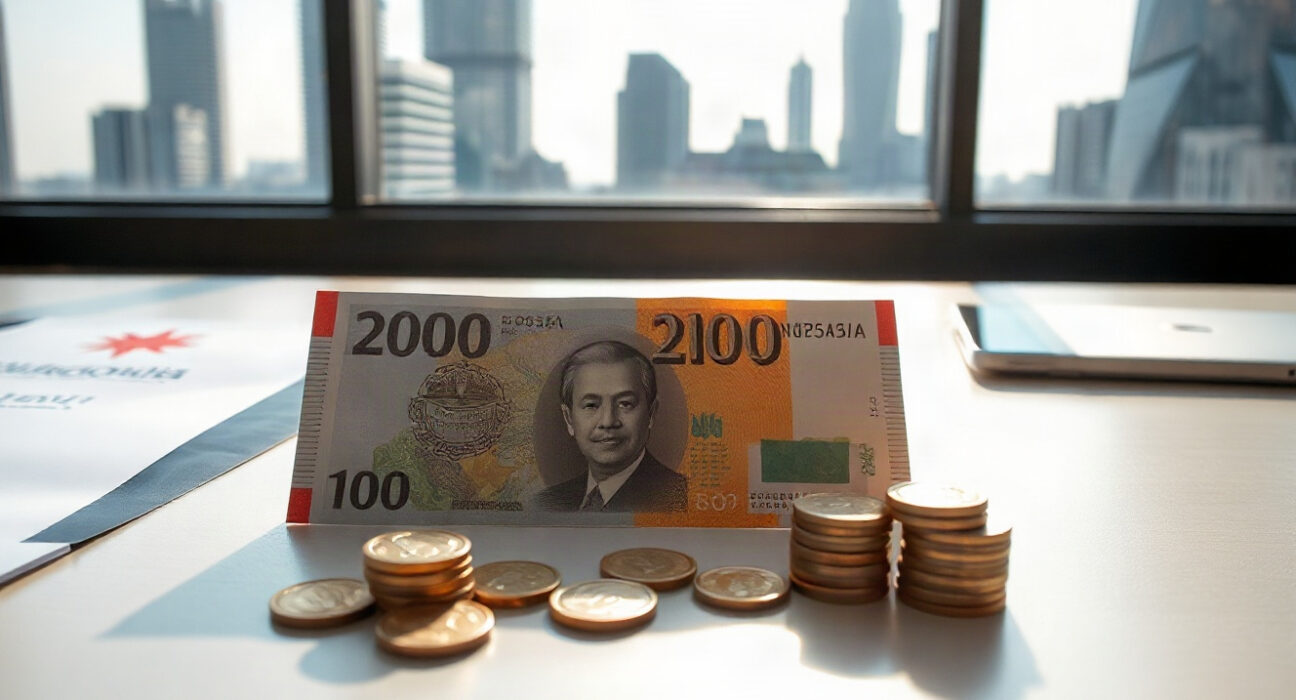
Societe Generale has stated that the Indonesian Rupiah is being supported by policy continuity, according to a recent note from the French bank. The statement underscores a growing consensus among analysts that Indonesia’s consistent monetary and fiscal approach is providing a stable foundation for the currency amid global economic uncertainty.
Policy Continuity as a Pillar of Stability
Societe Generale’s assessment highlights how the Indonesian government and central bank have maintained a predictable policy framework, which is critical for investor confidence. This continuity, particularly in managing inflation and external debt, helps buffer the Rupiah against volatile global capital flows. The bank’s view aligns with recent data showing Indonesia’s foreign exchange reserves remain robust, providing a cushion against external shocks.
Market Context and Implications
The Rupiah has faced pressure from a strengthening US dollar and shifting global interest rate expectations. However, Societe Generale’s note suggests that Indonesia’s policy stability could help the currency outperform its regional peers. For investors, this implies a potentially more resilient asset in Southeast Asia, though the bank also acknowledges that global factors remain a key risk. The stance is particularly relevant as other emerging markets struggle with policy unpredictability, making Indonesia a relatively safer haven within the region.
Why This Matters to You
For businesses and individuals engaged in trade or investment involving Indonesia, the Rupiah’s stability directly affects costs and returns. A stable currency reduces exchange-rate risk, making it easier to plan long-term investments. Moreover, for remittance recipients and tourists, a steady Rupiah means less volatility in their purchasing power. This development signals that Indonesia’s economic stewardship is being recognized internationally, which could attract more foreign direct investment.
Conclusion
Societe Generale’s positive outlook on the Indonesian Rupiah, driven by policy continuity, offers a measured sense of confidence in the country’s economic management. While external risks remain, the bank’s analysis suggests that Indonesia’s commitment to stable policies is a key strength. As global markets evolve, this stability may continue to support the Rupiah, providing a reliable backdrop for economic activity.
FAQs
Q1: What does policy continuity mean for the Indonesian Rupiah?
Policy continuity refers to the consistent and predictable monetary and fiscal measures by Indonesia’s central bank and government. This stability helps maintain investor confidence, reduces uncertainty, and supports the Rupiah’s value by preventing sudden policy shifts that could trigger capital outflows.
Q2: Why is Societe Generale’s view important?
Societe Generale is a major global financial institution, and its analysis is closely watched by investors. When such a bank expresses confidence in a currency, it can influence market sentiment and investment decisions, potentially leading to increased capital inflows that further strengthen the currency.
Q3: What risks could undermine the Rupiah’s stability?
Despite policy continuity, the Rupiah remains vulnerable to external factors such as US Federal Reserve interest rate hikes, global commodity price fluctuations, and geopolitical tensions. A sudden global economic downturn or a sharp rise in US yields could still pressure the currency, highlighting the limits of domestic policy stability.
Disclaimer: The information provided is not trading advice, Bitcoinworld.co.in holds no liability for any investments made based on the information provided on this page. We strongly recommend independent research and/or consultation with a qualified professional before making any investment decisions.
