

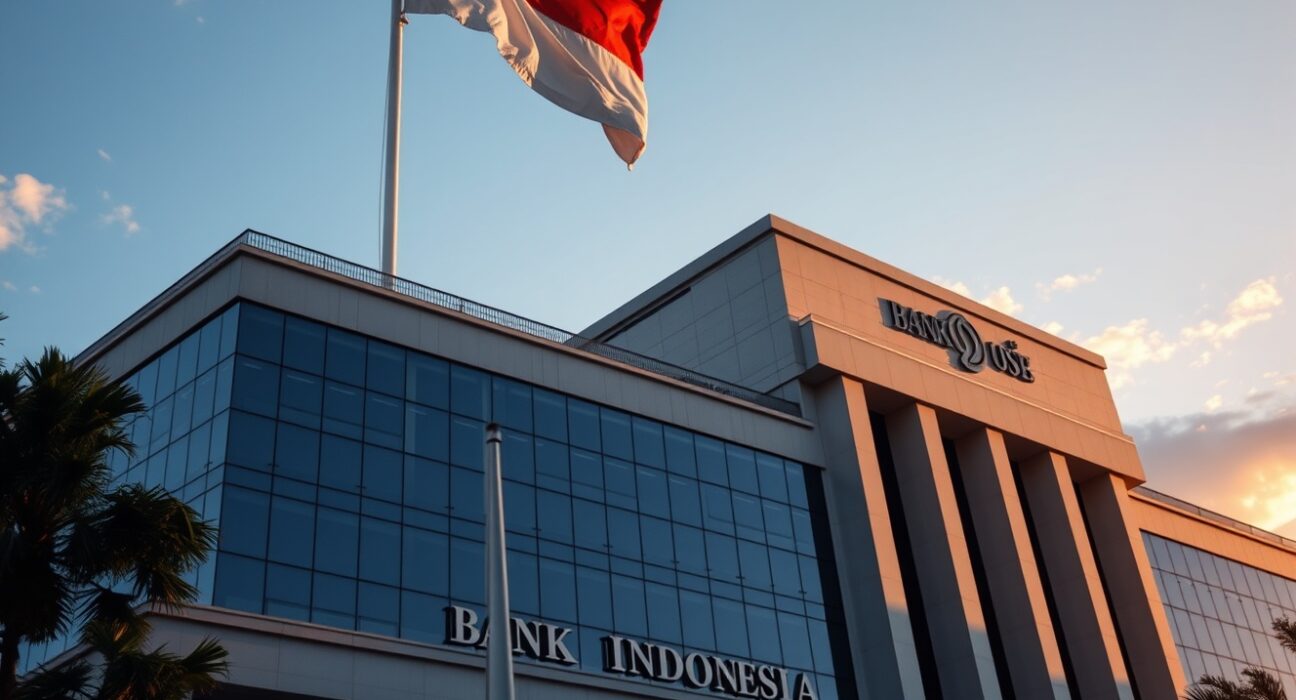
The Indonesian rupiah continues to face sustained pressure, with the recent leadership transition at Bank Indonesia (BI) adding a layer of policy uncertainty for currency markets, according to a new analysis from Commerzbank.
Leadership Transition and Market Reaction
Commerzbank strategists noted that the change in leadership at Indonesia’s central bank has introduced fresh questions about the future direction of monetary policy. While BI has maintained a hawkish stance to support the rupiah, the transition period creates potential for shifts in communication or policy emphasis, which markets are pricing in as a risk factor.
Underlying Pressures on the Rupiah
Beyond the leadership change, the rupiah has been grappling with external headwinds, including a strong US dollar and persistent global interest rate differentials. Commerzbank’s analysis highlights that these structural factors remain the primary drivers of the currency’s weakness, with the BI transition amplifying existing concerns rather than creating entirely new ones.
What This Means for Investors and Importers
For businesses and investors with exposure to Indonesia, the key takeaway is that rupiah volatility is likely to persist in the near term. Importers face higher costs, while exporters may see a temporary competitive advantage. The central bank’s next policy moves, particularly any signals on interest rates or intervention, will be closely watched for clues on the currency’s trajectory.
Conclusion
The combination of a strong US dollar and a leadership transition at Bank Indonesia is maintaining pressure on the Indonesian rupiah, according to Commerzbank. While the fundamental drivers of the currency’s weakness are external, the domestic policy uncertainty adds a layer of complexity that markets are currently pricing in as a risk.
FAQs
Q1: Why is the Indonesian rupiah under pressure?
The rupiah is under pressure due to a combination of a strong US dollar, global interest rate differentials, and recent uncertainty surrounding the leadership change at Bank Indonesia.
Q2: How does a Bank Indonesia leadership change affect the currency?
A leadership transition can create uncertainty about the future direction of monetary policy, which markets may interpret as a risk, leading to additional currency volatility.
Q3: What should Indonesian businesses do during this period?
Businesses, particularly importers and exporters, should monitor BI policy signals closely and consider hedging strategies to manage potential rupiah volatility.
Disclaimer: The information provided is not trading advice, Bitcoinworld.co.in holds no liability for any investments made based on the information provided on this page. We strongly recommend independent research and/or consultation with a qualified professional before making any investment decisions.
