

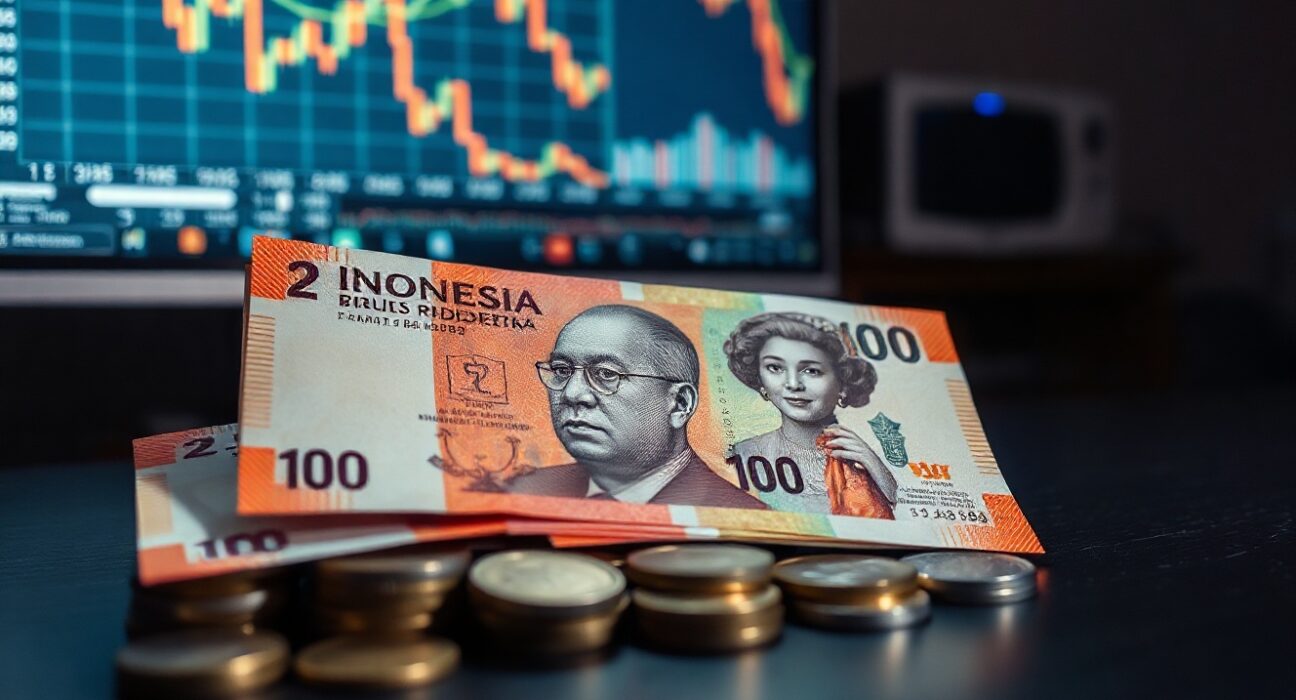
The Indonesian rupiah extended its decline to fresh record lows against the US dollar on Tuesday, breaching the 16,000 mark for the first time as investor concerns over the country’s fiscal trajectory deepened. The currency weakened past 16,050 per dollar in early Asian trading, surpassing the previous all-time low set in 2020 during the height of the pandemic.
Fiscal Pressures Mount
The latest slide comes amid mounting unease over Indonesia’s fiscal outlook, driven by rising government spending commitments and uncertainty over revenue targets. President Prabowo Subianto’s administration has announced a series of costly social programs, including a free meal initiative for schoolchildren, which has raised questions about the sustainability of the state budget. The government’s debt-to-GDP ratio, while still manageable compared to peers, has been creeping upward, and investors are demanding higher risk premiums to hold rupiah-denominated assets.
Bank Indonesia, the central bank, has stepped up intervention in the foreign exchange market to stem the currency’s decline, but analysts say the measures may only provide temporary relief without more decisive fiscal consolidation. The rupiah has lost more than 8% of its value against the dollar so far this year, making it one of the worst-performing currencies in emerging Asia.
Global and Domestic Headwinds
The rupiah’s weakness is also being amplified by external factors. The US dollar has strengthened broadly on expectations that the Federal Reserve will maintain higher interest rates for longer, drawing capital away from emerging markets. Meanwhile, Indonesia’s current account deficit has widened as import costs rise, putting additional pressure on the currency.
Domestically, inflation remains elevated, eroding consumer purchasing power and complicating the central bank’s policy decisions. Bank Indonesia has raised interest rates several times this year in an effort to defend the rupiah, but higher borrowing costs risk slowing economic growth. The central bank faces a delicate balancing act between supporting the currency and maintaining momentum in Southeast Asia’s largest economy.
What This Means for Businesses and Consumers
The rupiah’s depreciation has direct consequences for Indonesian businesses and households. Importers, particularly those reliant on raw materials and capital goods, face higher costs, which may be passed on to consumers. Companies with dollar-denominated debt are also under pressure as repayment costs rise. For ordinary Indonesians, the weaker currency means more expensive imported goods, from electronics to food ingredients, potentially fueling inflation further.
On the positive side, exporters, especially those in commodities such as palm oil, coal, and nickel, benefit from a weaker rupiah as their revenues in dollars translate into more local currency. However, the overall economic sentiment remains cautious, with many businesses delaying investment decisions until the currency stabilizes.
Conclusion
The Indonesian rupiah’s slide to fresh record lows underscores the fragility of investor confidence amid fiscal uncertainty and global headwinds. While the central bank’s intervention may provide short-term support, a credible fiscal consolidation plan and structural reforms are needed to restore long-term confidence. The coming months will be critical as the government unveils its budget for the next fiscal year and markets assess the trajectory of monetary policy both at home and abroad.
FAQs
Q1: Why is the Indonesian rupiah falling to record lows?
The rupiah is under pressure due to a combination of fiscal concerns over rising government spending, a strengthening US dollar, a widening current account deficit, and elevated domestic inflation. Investor sentiment has deteriorated as the new administration announces costly social programs without clear revenue offsets.
Q2: What is Bank Indonesia doing to stabilize the rupiah?
Bank Indonesia has been actively intervening in the foreign exchange market by selling dollars and buying rupiah to support the currency. It has also raised interest rates multiple times this year to make rupiah-denominated assets more attractive to foreign investors and curb inflation.
Q3: How does a weaker rupiah affect ordinary Indonesians?
A weaker rupiah makes imported goods more expensive, including food, electronics, and fuel. This can lead to higher inflation, reducing purchasing power. However, exporters and workers in export-oriented industries may benefit from higher revenues in local currency terms.
Disclaimer: The information provided is not trading advice, Bitcoinworld.co.in holds no liability for any investments made based on the information provided on this page. We strongly recommend independent research and/or consultation with a qualified professional before making any investment decisions.
