

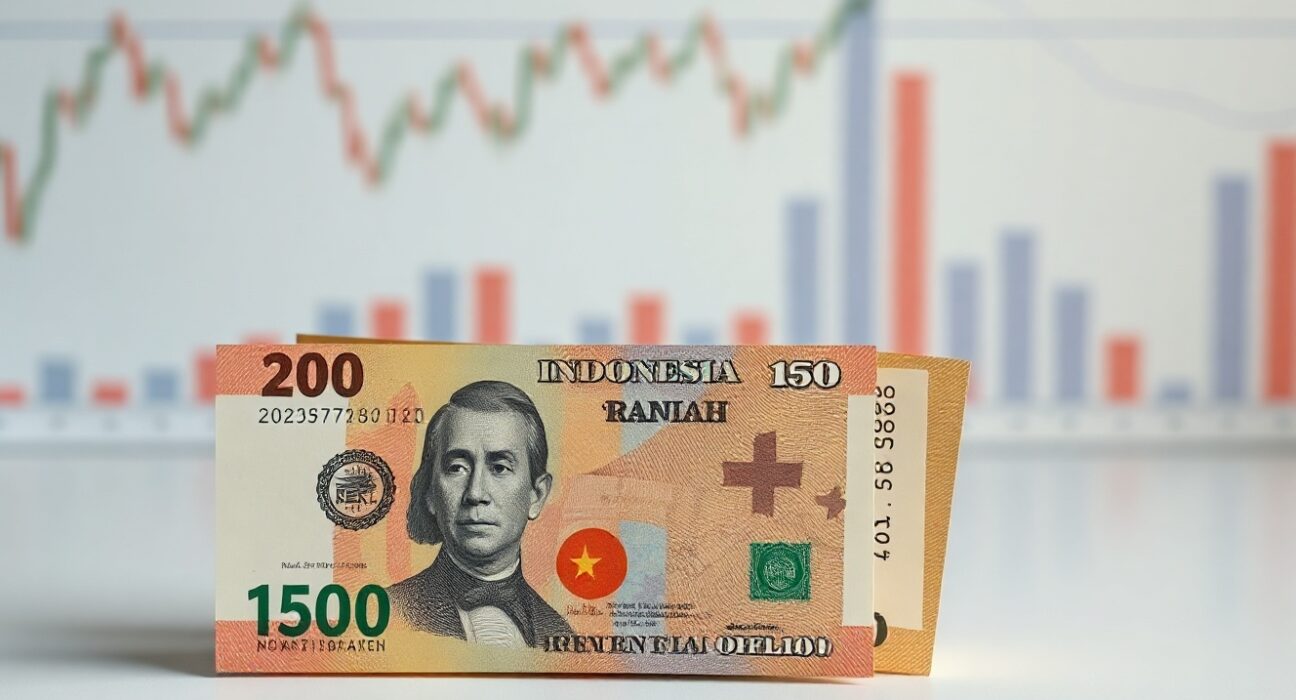
The Indonesian rupiah has strengthened against the US dollar in recent trading sessions, supported by President Prabowo Subianto’s ambitious economic growth targets and a broadly weaker US dollar in global markets. As of the latest data, the rupiah traded around 15,400 per dollar, reflecting a notable improvement from earlier levels this year.
What is driving the rupiah’s rally?
The rupiah’s appreciation is largely attributed to two key factors: President Prabowo’s commitment to achieving 8% economic growth, which has boosted investor confidence in Indonesia’s fiscal outlook, and a decline in the US dollar index as markets anticipate a more accommodative Federal Reserve policy. The combination of these elements has attracted foreign capital inflows into Indonesian assets, including government bonds and equities.
How does Prabowo’s growth target influence the currency?
President Prabowo has set an ambitious goal of 8% annual economic growth, a target that signals aggressive infrastructure spending and policy reforms. While such targets can be seen as optimistic, they have helped improve market sentiment toward the rupiah, as investors interpret them as a commitment to structural reforms and increased domestic investment. However, analysts caution that achieving this growth rate will require sustained policy execution and favorable global conditions.
What is the impact of a weaker US dollar?
The US dollar has softened against major currencies in recent weeks, driven by expectations that the Federal Reserve may begin cutting interest rates in 2025. A weaker dollar reduces the appeal of US assets, prompting investors to seek higher yields in emerging markets like Indonesia. This shift has provided additional support for the rupiah, alongside positive domestic sentiment.
What should investors and consumers watch for?
For investors, the rupiah’s strength could enhance returns on Indonesian assets, but they should remain alert to potential volatility stemming from global monetary policy shifts and domestic political developments. For consumers, a stronger rupiah may help lower the cost of imported goods, potentially easing inflationary pressures. However, the sustainability of this trend depends on external factors, including US economic data and geopolitical risks.
Conclusion
The Indonesian rupiah’s recent gains reflect a convergence of domestic policy optimism and global dollar weakness. While the outlook appears positive, market participants should monitor upcoming economic data and policy announcements from both Indonesia and the US to gauge the currency’s trajectory. The rupiah’s performance will remain closely tied to investor confidence in Prabowo’s economic agenda and the global monetary environment.
FAQs
Q1: What is the current exchange rate of the Indonesian rupiah against the US dollar?
As of the latest data, the rupiah is trading around 15,400 per US dollar, reflecting a strengthening trend in recent sessions.
Q2: How does President Prabowo’s growth target affect the rupiah?
Prabowo’s 8% growth target signals a commitment to economic reforms and infrastructure spending, which boosts investor confidence and attracts capital inflows, supporting the rupiah.
Q3: Is the rupiah’s strength likely to last?
The sustainability of the rupiah’s gains depends on continued positive domestic policy signals and global market conditions, particularly the trajectory of the US dollar and Federal Reserve decisions.
Disclaimer: The information provided is not trading advice, Bitcoinworld.co.in holds no liability for any investments made based on the information provided on this page. We strongly recommend independent research and/or consultation with a qualified professional before making any investment decisions.
