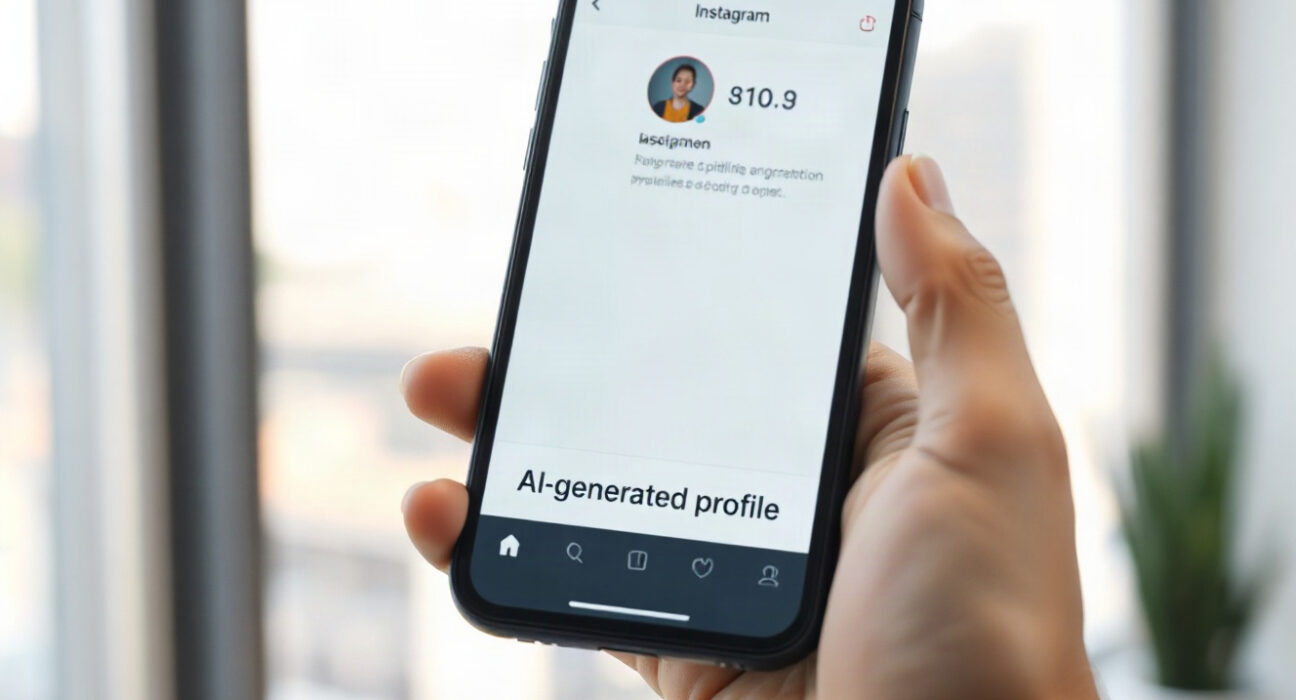
Instagram announced Monday that it is updating how it labels AI-generated profiles and will begin limiting the reach of accounts that feature AI-generated people without clear disclosure. The platform is renaming its existing “AI creator” label to “AI-generated profile,” a change designed to make the disclosure more intuitive for users. The new label is intended to signal that the person featured on a profile was generated or substantially created with AI.
What the new label means for creators
Under the updated policy, creators who fail to properly label an AI-generated profile could see their content’s reach reduced. However, those who use the new label will not be penalized simply for featuring an AI-generated person as their profile subject. Instagram also clarified that the label is not required for every use of AI—editing photos, polishing captions, creating graphics, or other creative tweaks do not necessitate the AI-generated profile label.
The move comes in response to user feedback, as many people have encountered profiles that appeared to belong to real individuals, only to discover later that the person was entirely AI-generated. “As generative AI becomes a bigger part of how people create, we’ve heard that people don’t like seeing a profile that seems human, only to find out later that the person featured is AI-generated,” Instagram wrote in its announcement. “They want to know when a profile features an AI-generated person.”
Context: Rising concerns over AI influencers
The timing is notable, as frustration over AI-generated content has grown alongside the proliferation of AI influencers across social platforms. Earlier this year, the gay dating app Goose was the subject of a Wired investigation after a network of apparently AI-generated male influencers promoted the app on Instagram. Wired identified more than two dozen accounts that appeared to feature AI influencers, some of which reportedly contacted potential users via direct messages to encourage sign-ups.
Health and wellness content has also raised alarms. The New York Times reported in July that it found hundreds of AI-generated doctors, healers, and wellness personalities on social media promoting supplements or making health claims to users. These examples underscore the potential for AI-generated personas to mislead audiences, particularly in sensitive areas like health advice.
Broader Meta context and recent controversies
This announcement follows a period of intense scrutiny for Meta regarding AI and user safety. Earlier this year, Instagram faced backlash over an AI tool that allowed users to generate images using other people’s likenesses. Users objected to having their public Instagram content used without an explicit opt-in, prompting Meta to remove the feature.
Additionally, last week Meta reached an $18 billion settlement with U.S. states over allegations concerning the effects of Facebook and Instagram on children and teenagers. As part of the agreement, Meta will introduce a default two-hour daily usage limit for teens across both platforms, a “Night Mode” block, muted notifications during school hours, and other restrictions. These measures reflect a broader push for greater transparency and user protection across Meta’s platforms.
Why this matters
For everyday users, the new label aims to reduce confusion and build trust by making it clear when a profile is not a real person. For creators and brands, it introduces a clear compliance requirement that could affect reach—a significant consideration in an economy where influencer marketing is a major industry. The policy also sets a precedent for how platforms may handle AI-generated content in the future, as generative AI becomes more integrated into social media.
While the label is a step forward, questions remain about enforcement and the potential for misuse. Instagram has not detailed how it will detect undisclosed AI-generated profiles, nor what constitutes “substantially created with AI.” As AI technology evolves, so too will the challenges of ensuring transparent and responsible use.
Conclusion
Instagram’s new “AI-generated profile” label and reach restrictions represent a practical response to growing user concerns about AI personas. By requiring clearer disclosure, the platform aims to protect users from deceptive content while allowing creators to continue using AI tools responsibly. The policy reflects a broader industry trend toward greater transparency in AI-generated media, and its implementation will be closely watched by users, creators, and regulators alike.
FAQs
Q1: What is the new AI-generated profile label on Instagram?
The label is a disclosure tag that appears on profiles where the featured person was generated or substantially created with AI. It replaces the previous “AI creator” label and is designed to be more understandable for users.
Q2: What happens if a creator doesn’t use the label?
Creators who fail to properly label an AI-generated profile could see reduced reach on their content. Using the label itself does not result in penalties; it simply informs viewers of the AI-generated nature of the profile.
Q3: Does the label apply to all uses of AI on Instagram?
No. The label is only required for profiles that feature an AI-generated person. Using AI for photo editing, caption polishing, graphics, or other creative tweaks does not require the AI-generated profile label.
Disclaimer: The information provided is not trading advice, Bitcoinworld.co.in holds no liability for any investments made based on the information provided on this page. We strongly recommend independent research and/or consultation with a qualified professional before making any investment decisions.