

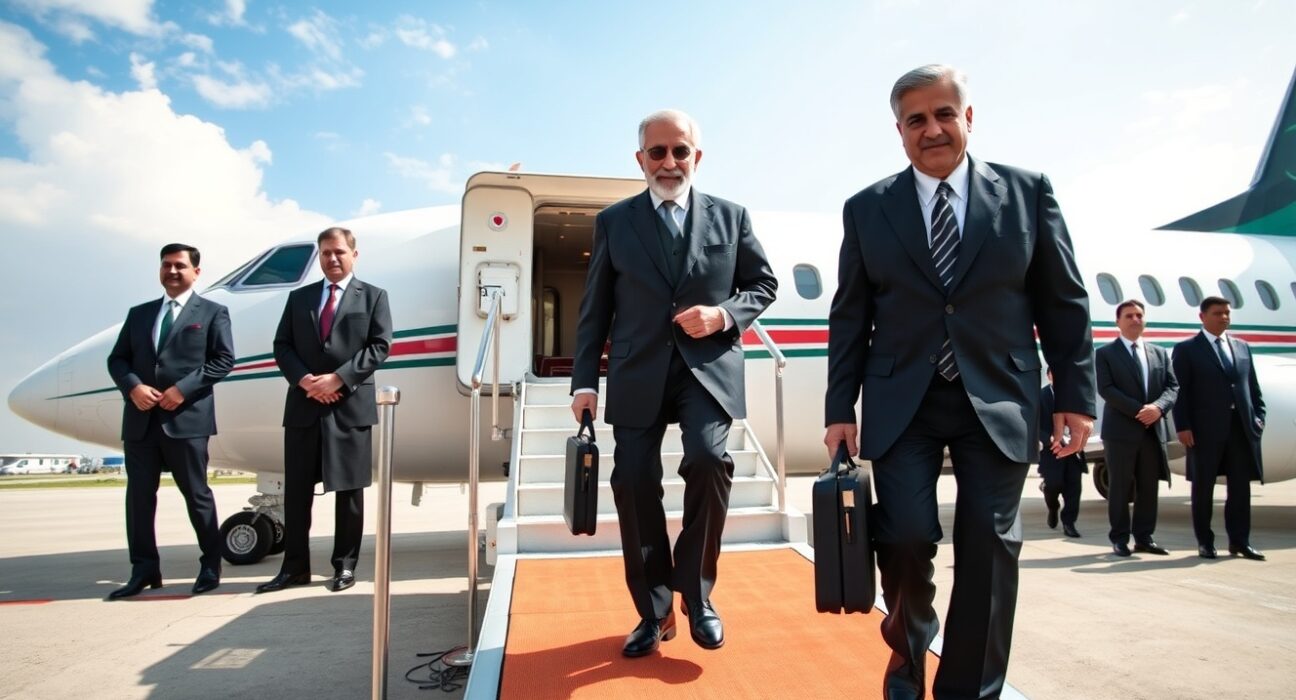
Iran’s Foreign Minister, Abbas Araghchi, is set to arrive in Pakistan on Friday for another round of peace talks with the United States. This visit marks a significant step in ongoing diplomatic efforts to reduce tensions between Tehran and Washington. The talks, mediated by Pakistani officials, aim to address key issues including Iran’s nuclear program, regional security, and economic sanctions.
Context of the Iran-US Peace Talks
The relationship between Iran and the United States has been strained for decades. Since the 1979 Iranian Revolution, diplomatic ties have been severed. However, recent years have seen intermittent negotiations, often through third-party mediators. Pakistan has emerged as a key facilitator, leveraging its close ties with both nations.
Araghchi’s visit follows a series of back-channel communications. In 2024, preliminary talks in Oman laid the groundwork for this new round. The talks are seen as a crucial opportunity to de-escalate conflicts in the Middle East, particularly in Yemen and Syria.
Why Pakistan?
Pakistan shares a border with Iran and maintains diplomatic relations with the US. Its strategic position allows it to act as a neutral broker. Moreover, Pakistan has a vested interest in regional stability, as instability in Iran could spill over into its own territory.
Key Agenda Items for the Talks
The discussions will cover several critical topics. Below is a summary of the primary agenda items:
- Nuclear Program: The US seeks to renegotiate limits on Iran’s uranium enrichment. Iran insists on its right to peaceful nuclear energy.
- Sanctions Relief: Iran demands the lifting of economic sanctions. The US wants verifiable compliance before any relief.
- Regional Security: Both sides will discuss Iran’s influence in Iraq, Syria, and Yemen. The US seeks to curb Iran’s military support for proxy groups.
- Prisoner Exchanges: The release of dual nationals held in Iran remains a humanitarian priority for the US.
These items represent the core of the negotiations. Each point requires delicate compromise. Analysts predict that progress on nuclear issues may unlock other areas of cooperation.
Timeline of Recent Diplomatic Efforts
To understand the significance of Araghchi’s visit, it helps to review recent diplomatic milestones:
| Date | Event |
|---|---|
| 2023 | Indirect talks in Oman between US and Iranian officials. |
| 2024 | Prisoner swap deal mediated by Qatar. |
| Early 2025 | Pakistan offers to host direct negotiations. |
| March 2025 | Araghchi visits Islamabad for preliminary meetings. |
| April 2025 | Current round of talks scheduled. |
This timeline shows a gradual but steady movement toward direct engagement. Each step builds on previous successes, such as the prisoner exchange.
Expert Analysis and Expected Outcomes
Political analysts view Araghchi’s visit as a positive sign. Dr. Sarah Ahmed, a Middle East expert at the Institute for Strategic Studies, states: “The fact that both sides are willing to meet face-to-face, even through a mediator, indicates a mutual desire for de-escalation. However, deep mistrust remains.”
Experts caution against expecting immediate breakthroughs. The talks may result in a framework agreement rather than a final deal. Key sticking points include the scope of sanctions relief and the timeline for nuclear compliance.
Potential Impacts on Global Markets
The outcome of these talks could influence global oil prices. Iran holds one of the world’s largest oil reserves. A successful deal could lead to increased Iranian oil exports, potentially lowering prices. Conversely, a failure could trigger volatility.
Cryptocurrency markets may also react. Investors often view geopolitical stability as a positive signal for risk assets like Bitcoin. A peaceful resolution could boost market sentiment.
Challenges and Obstacles
Despite the optimism, significant hurdles remain. Hardliners in both countries oppose any compromise. In Iran, the Revolutionary Guard Corps (IRGC) views negotiations with suspicion. In the US, some lawmakers demand a tougher stance.
Furthermore, the talks occur against a backdrop of ongoing conflicts. Iran’s support for Hamas and Hezbollah complicates the US position. The US military presence in the Persian Gulf adds another layer of tension.
Role of International Actors
Other nations are watching closely. China and Russia have expressed support for the talks. The European Union has offered technical assistance. Pakistan’s role as mediator has been praised by the UN Secretary-General.
This multilateral interest underscores the global stakes. A successful Iran-US agreement could reshape Middle Eastern geopolitics.
Conclusion
Iran’s Araghchi arriving in Pakistan for peace talks with the US represents a critical moment in international diplomacy. The talks offer a pathway to reduce tensions, address nuclear concerns, and stabilize the region. While challenges persist, the willingness to engage signals hope. The world now watches Islamabad, awaiting the outcome of this pivotal meeting.
FAQs
Q1: What is the purpose of Araghchi’s visit to Pakistan?
A1: The visit aims to hold peace talks with the United States, focusing on nuclear issues, sanctions, and regional security.
Q2: Why is Pakistan mediating these talks?
A2: Pakistan has strong diplomatic ties with both Iran and the US, making it a neutral and trusted mediator.
Q3: What are the main obstacles to a deal?
A3: Key obstacles include disagreements over uranium enrichment limits, sanctions relief, and Iran’s regional military influence.
Q4: How could these talks affect global markets?
A4: A successful deal could lower oil prices and boost risk assets like cryptocurrencies. A failure could cause market volatility.
Q5: Have there been previous Iran-US talks?
A5: Yes, indirect talks occurred in Oman in 2023, and a prisoner swap was mediated by Qatar in 2024.
Disclaimer: The information provided is not trading advice, Bitcoinworld.co.in holds no liability for any investments made based on the information provided on this page. We strongly recommend independent research and/or consultation with a qualified professional before making any investment decisions.
