

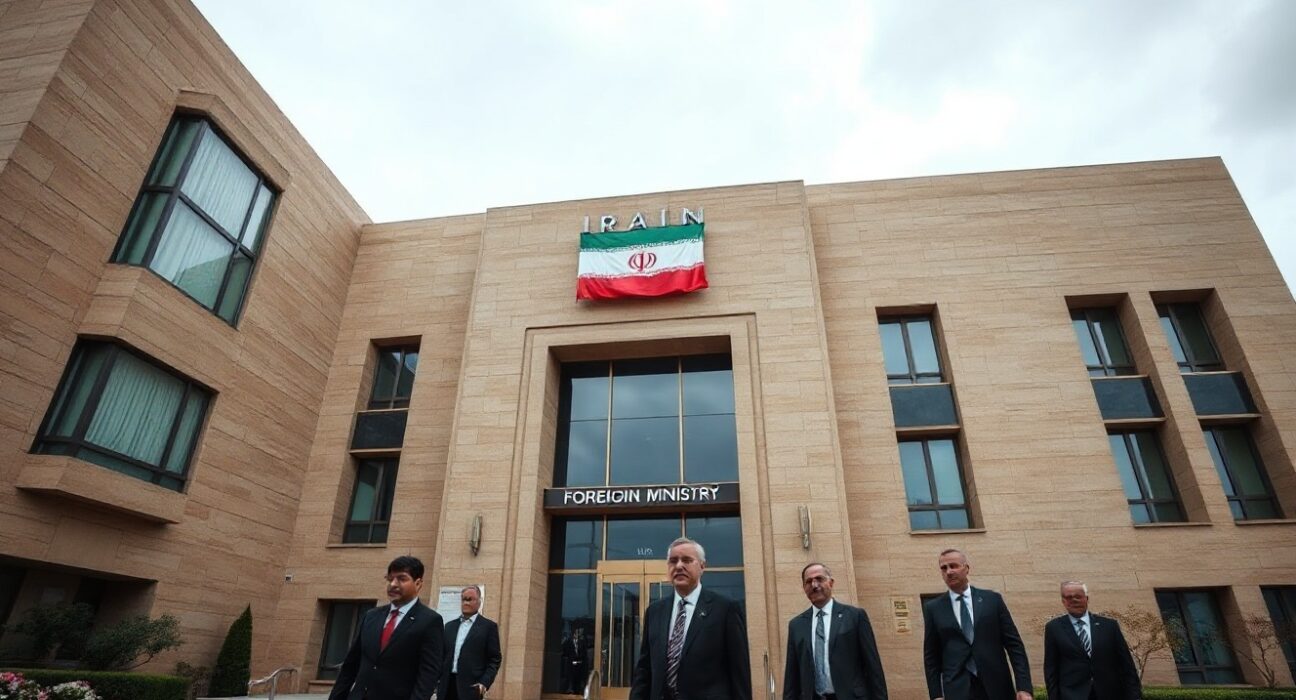
Iran’s Foreign Ministry has tempered expectations of a breakthrough in ongoing negotiations, stating that it is not yet possible to confirm that an agreement is imminent. The remarks, reported by Iran’s Tasnim News Agency, underscore the cautious stance of Iranian officials as diplomatic efforts continue.
Negotiation Focus Remains on Ending Conflict
A spokesperson for the ministry emphasized that the central objective of the current talks is to bring an end to the war, rather than to secure a broader political settlement. This clarification comes amid heightened speculation in international media that the parties involved may be close to a formal accord.
The spokesperson did not specify which conflict the negotiations aim to resolve, but the context points to ongoing discussions related to regional tensions and Iran’s involvement in proxy conflicts. The statement appears designed to manage expectations both domestically and internationally, signaling that while talks continue, significant hurdles remain.
Background and Timeline of Talks
The negotiations have been underway for several weeks, with multiple rounds of back-channel and public diplomacy. Previous reports had suggested that progress was being made on key sticking points, including ceasefire terms and the withdrawal of foreign forces. However, Iran’s latest comments indicate that a final deal is not yet within reach.
Analysts note that the Iranian government often uses cautious language to avoid overpromising, particularly in sensitive security matters. The statement may also serve as a signal to domestic audiences that the leadership is not making concessions under pressure.
Implications for Regional Stability
The lack of a confirmed timeline for an agreement leaves the region in a state of uncertainty. Continued conflict could have significant humanitarian and economic consequences, including further displacement of civilians and disruption of oil markets. For neighboring countries and global powers involved in the talks, the delay may require renewed diplomatic efforts and potentially extended sanctions regimes.
International observers will be watching closely for any signs of movement in the coming weeks. The next round of talks is expected to address specific ceasefire mechanisms and verification protocols, though no date has been publicly set.
Conclusion
Iran’s statement that an agreement is not imminent serves as a reality check for those expecting a swift resolution. While negotiations continue, the core issue remains ending the war, and significant obstacles persist. The coming weeks will be critical in determining whether the parties can bridge their differences or whether the conflict will persist.
FAQs
Q1: Why did Iran say an agreement is not imminent?
A1: Iran’s Foreign Ministry spokesperson stated that it is not yet possible to confirm an imminent agreement, emphasizing that the main goal of negotiations is to end the war. This cautious language is typical of Iranian diplomacy to manage expectations.
Q2: What is the core issue in the negotiations?
A2: According to the Iranian spokesperson, the core of the talks is ending the war. The specific conflict is believed to be related to regional tensions and Iran’s involvement in proxy conflicts.
Q3: What are the next steps in the diplomatic process?
A3: No specific date has been set for the next round of talks. The discussions are expected to focus on ceasefire mechanisms and verification protocols, but progress remains uncertain.
Disclaimer: The information provided is not trading advice, Bitcoinworld.co.in holds no liability for any investments made based on the information provided on this page. We strongly recommend independent research and/or consultation with a qualified professional before making any investment decisions.
