

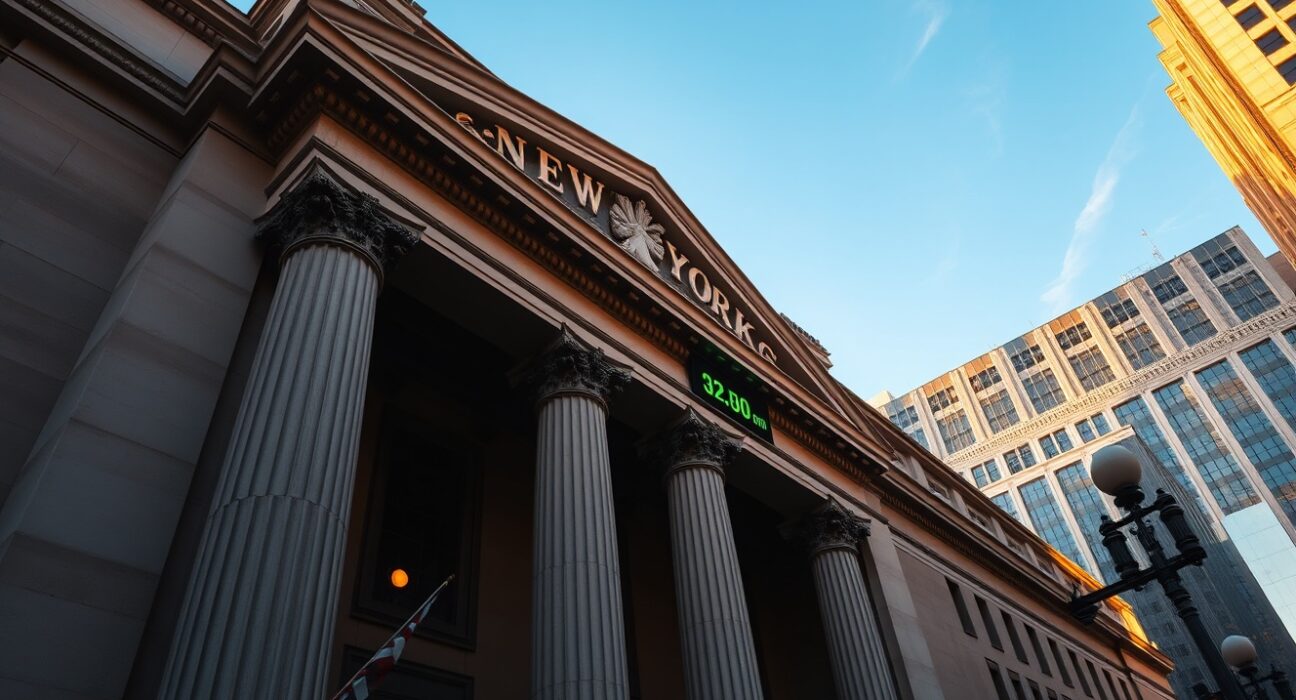
The Dow Jones Industrial Average shrugged off a notably hawkish tone from the newly appointed Federal Reserve chair to close at a new all-time high on Wednesday, surprising many market participants who had braced for a pullback. The blue-chip index gained 0.8 percent on the day, surpassing its previous record set earlier this month, as investors focused on the underlying strength of the economy rather than the central bank’s cautious language on inflation.
Market Resilience Amid Hawkish Signals
The new Fed chair, in his first public remarks since taking office, signaled a more aggressive approach to interest rate policy than many had anticipated. He emphasized that inflation remains above the central bank’s 2 percent target and that further rate increases may be necessary to ensure price stability. Historically, such language has weighed on equity markets, as higher rates increase borrowing costs and reduce corporate profit expectations.
Yet the Dow’s advance suggests that investors are looking beyond near-term monetary tightening. Several analysts pointed to a robust labor market, resilient consumer spending, and a wave of corporate earnings that have beaten estimates as factors underpinning the rally. The technology-heavy Nasdaq also posted gains, though its advance was more modest, indicating a rotation into cyclical and value stocks that benefit from economic expansion.
Why the Dow Defied the Hawkish Stance
Market participants offered several explanations for the Dow’s resilience. First, the new Fed chair’s comments were largely consistent with the central bank’s recent communications, meaning there was no major surprise. Second, the economy continues to generate strong job growth, with the unemployment rate holding near historic lows. Third, corporate earnings have been robust, with many companies reporting better-than-expected results and raising forward guidance.
Additionally, some investors interpreted the hawkish rhetoric as a signal that the Fed is confident enough in the economy’s strength to continue tightening without derailing growth. This ‘good news is good news’ dynamic has supported risk appetite across asset classes. Bond markets, however, showed more caution, with the yield on the 10-year Treasury note rising modestly after the Fed chair’s remarks.
Implications for Investors and the Broader Economy
The Dow’s record high carries several implications. For equity investors, it reinforces the view that the bull market remains intact, supported by fundamental economic strength rather than speculative froth. However, the hawkish Fed stance means that valuations may face headwinds if rates rise faster than currently priced in. For borrowers, higher interest rates will increase the cost of mortgages, auto loans, and business credit, potentially cooling some sectors of the economy over time.
For the broader economy, the combination of a record stock market and a tightening central bank creates an unusual dynamic. Rising equity prices boost household wealth and confidence, supporting consumption, while higher rates aim to prevent the economy from overheating. The net effect will depend on how quickly the Fed moves and how the economy responds to tighter financial conditions.
Conclusion
The Dow Jones Industrial Average’s record close despite a hawkish new Fed chair underscores the market’s focus on economic fundamentals over policy rhetoric. While the central bank’s commitment to fighting inflation remains clear, investors are betting that the economy can withstand higher rates without slipping into recession. The coming weeks will test this thesis as markets digest further economic data and the Fed’s next policy meeting.
FAQs
Q1: Why did the Dow rise if the Fed chair was hawkish?
Investors focused on strong economic data and corporate earnings rather than the Fed’s cautious inflation language. The hawkish stance was also largely expected, reducing the element of surprise.
Q2: What does a hawkish Fed mean for interest rates?
A hawkish Fed typically signals a willingness to raise interest rates more aggressively to control inflation. This can lead to higher borrowing costs for consumers and businesses.
Q3: Is the Dow’s record sustainable?
Sustainability depends on whether economic growth continues, corporate earnings remain strong, and the Fed’s rate hikes do not slow the economy too much. Markets may face volatility as these factors evolve.
Disclaimer: The information provided is not trading advice, Bitcoinworld.co.in holds no liability for any investments made based on the information provided on this page. We strongly recommend independent research and/or consultation with a qualified professional before making any investment decisions.
