

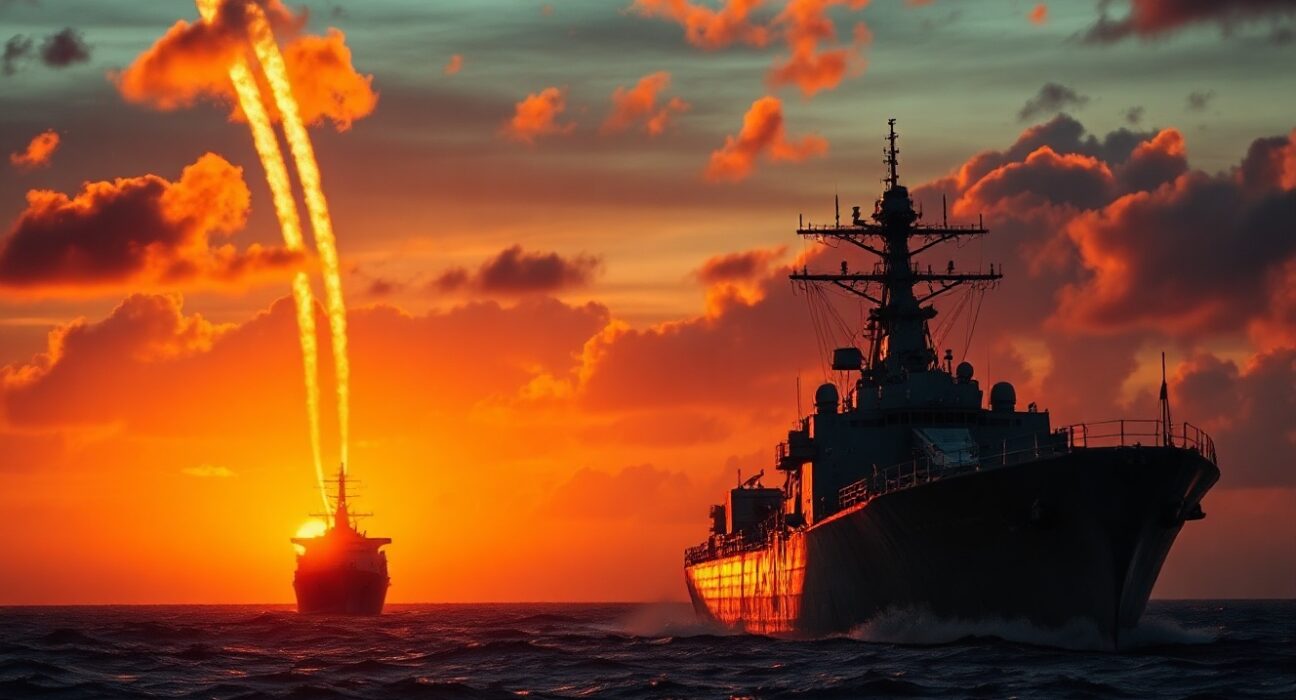
A fragile ceasefire between the United States and Iran, brokered just days ago, has collapsed in the strategic waters of the Strait of Hormuz. The US military confirmed it launched fresh airstrikes against Iranian positions early Thursday, hours after Iranian-backed forces allegedly targeted a commercial vessel near the narrow waterway.
Timeline of the Collapse
The ceasefire, announced on Monday following intense diplomatic efforts in Oman, was meant to de-escalate weeks of rising tensions. It had offered a brief respite after a series of tit-for-tat attacks on shipping. However, the truce began unraveling late Wednesday when reports emerged of an explosion near a tanker flagged to the Marshall Islands. By Thursday morning, the US Central Command stated it had conducted precision strikes against Iranian missile batteries and fast-attack craft in the Strait, citing the need to protect freedom of navigation.
Strategic Importance of the Strait
The Strait of Hormuz, a narrow 21-mile-wide chokepoint between the Persian Gulf and the Gulf of Oman, is one of the world’s most critical maritime passages. Approximately 20% of the global oil supply transits through these waters. Any sustained disruption here can trigger immediate volatility in global energy markets, affecting fuel prices from Asia to Europe. The current escalation raises the risk of a broader regional conflict, with potential supply chain interruptions that could impact economies worldwide.
Implications for Global Markets
Early trading sessions on Thursday saw a sharp spike in crude oil prices, with Brent crude rising over 4% in Asian markets. Analysts warn that if the Strait becomes a sustained combat zone, insurance premiums for tankers will surge, and shipping lines may seek alternative, longer routes. This could compound existing inflationary pressures in several economies still recovering from previous supply shocks.
What Led to the Failure
Diplomatic sources, speaking on condition of anonymity, indicate that the ceasefire lacked robust enforcement mechanisms. Both sides accused each other of violations within hours of its announcement. The US maintained that Iran had not halted its harassment of commercial shipping, while Tehran claimed the US had failed to lift certain sanctions as part of the informal agreement. The lack of a formal, verifiable framework made the truce inherently unstable.
Conclusion
The rapid collapse of the ceasefire underscores the deep mistrust between Washington and Tehran. With no immediate diplomatic path visible, the Strait of Hormuz remains a flashpoint. The coming days will be critical in determining whether this escalation remains contained or spirals into a wider confrontation with significant global economic consequences.
FAQs
Q1: Why is the Strait of Hormuz so important?
It is a vital maritime chokepoint through which about 20% of the world’s oil passes. Disruption here directly impacts global energy prices and supply chains.
Q2: What caused the ceasefire to fail?
The informal truce lacked verification and enforcement. Both sides accused each other of violations, leading to a rapid breakdown and renewed military action.
Q3: How might this affect oil prices?
Oil prices typically spike on such news due to fears of supply disruption. Continued instability could lead to higher fuel costs for consumers and businesses globally.
Disclaimer: The information provided is not trading advice, Bitcoinworld.co.in holds no liability for any investments made based on the information provided on this page. We strongly recommend independent research and/or consultation with a qualified professional before making any investment decisions.
