
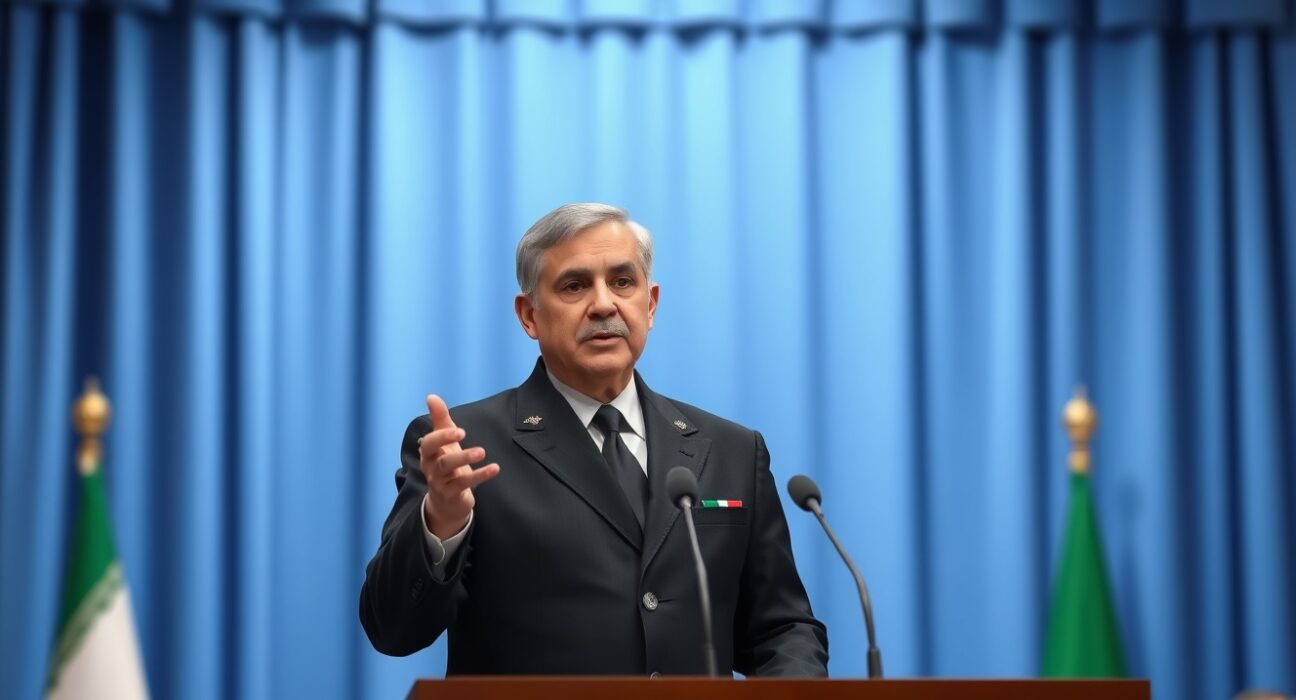
TEHRAN, Iran – Iranian military officials announced a significant strategic shift on Tuesday, declaring Tehran will abandon its longstanding policy of “reciprocal hits” in favor of implementing constant military strikes. This announcement, delivered by Khatam al-Anbiya spokesperson during a formal briefing, represents a substantial escalation in Iran’s declared security posture. Consequently, regional analysts immediately began assessing the potential implications for Middle Eastern stability. Furthermore, this policy change follows months of escalating tensions across multiple fronts.
Iran Military Strikes Policy Undergoes Fundamental Transformation
The Iranian spokesperson, Khatam al-Anbiya, made the declaration during a carefully orchestrated press conference. Specifically, he stated that Tehran’s previous approach of measured, proportional responses would be replaced. Instead, Iranian forces would now conduct continuous offensive operations. This strategic pivot marks a departure from decades of established doctrine. Moreover, the announcement came via Walter Bloomberg’s verified reporting channels, ensuring immediate global dissemination.
Historically, Iran maintained a policy of calculated reciprocity. For instance, responses to perceived provocations were typically measured and targeted. However, the new doctrine suggests a more aggressive, sustained posture. Regional security experts quickly noted this represents a fundamental philosophical shift. Additionally, the timing coincides with increased diplomatic isolation and economic pressures.
Understanding the Reciprocal Hits Strategy
Iran’s previous “reciprocal hits” approach followed specific operational principles. These included:
- Proportional Response: Military actions matched the scale of perceived provocations
- Strategic Timing: Responses occurred after careful planning and intelligence assessment
- Geographic Limitation: Operations typically remained within defined regional parameters
- Political Signaling: Each action carried specific diplomatic messages to adversaries
This strategy served multiple purposes throughout recent conflicts. Primarily, it allowed Iran to demonstrate capability while avoiding uncontrolled escalation. Furthermore, it provided political cover for de-escalation when necessary. The table below illustrates key characteristics of the old versus new approaches:
| Aspect | Reciprocal Hits Policy | Constant Strikes Policy |
|---|---|---|
| Response Timing | Delayed and calculated | Continuous and sustained |
| Operational Tempo | Episodic and reactive | Persistent and proactive |
| Strategic Objective | Deterrence through measured response | Initiative through constant pressure |
| Risk of Escalation | Controlled and managed | Potentially exponential |
Expert Analysis of Strategic Implications
Military analysts immediately recognized several critical implications. First, sustained operations require different resource allocations. Second, constant strikes demand continuous intelligence and targeting capabilities. Third, this approach potentially stretches Iranian military resources across multiple theaters. Regional security expert Dr. Amina Farhad commented, “This represents not just tactical adjustment but philosophical transformation.”
Furthermore, the announcement carries significant diplomatic weight. International observers noted the timing relative to ongoing nuclear negotiations. Additionally, regional proxy forces may interpret this as authorization for increased activities. The policy shift also affects Iran’s relationships with major powers. Consequently, diplomatic channels have reportedly activated for clarification requests.
Regional Security Context and Historical Precedents
The Middle East has experienced escalating tensions throughout recent years. Specifically, drone attacks on shipping lanes increased significantly. Moreover, proxy conflicts expanded across multiple countries. Iranian officials previously warned about changing their strategic approach. However, most analysts expected incremental adjustments rather than doctrinal overhaul.
Historical context provides important perspective. Iran maintained its reciprocal policy through several major incidents. For example, the 2020 assassination of General Qasem Soleimani prompted measured responses. Similarly, attacks on Iranian nuclear facilities resulted in calibrated retaliation. This consistency made Tuesday’s announcement particularly noteworthy. Regional governments have begun reassessing their security postures accordingly.
Operational Realities and Military Capabilities
Implementing constant strikes presents practical challenges. Iranian military forces must maintain higher readiness levels. Additionally, logistics chains require strengthening for sustained operations. Intelligence gathering needs expansion to identify continuous targets. Defense analysts question whether Iran possesses sufficient capabilities for this shift. However, recent military exercises suggest preparation for extended campaigns.
Iran’s military modernization efforts gained momentum in recent years. Drone capabilities expanded significantly across all services. Missile accuracy improved through technological advancements. Cyber warfare units developed sophisticated attack methodologies. These enhancements potentially enable the new constant strike doctrine. Nevertheless, sustained operations test even advanced militaries.
International Reactions and Diplomatic Fallout
Global responses emerged quickly following the announcement. The United States State Department expressed “serious concern” about regional stability. European Union officials called for restraint and dialogue. Gulf Cooperation Council members convened emergency security meetings. Israel enhanced its defensive posture along northern borders. These reactions demonstrate the policy’s immediate international impact.
Diplomatic channels activated across multiple capitals. United Nations officials sought clarification from Iranian representatives. Regional mediation efforts intensified between conflicting parties. Economic considerations also entered calculations, particularly regarding oil markets. The announcement’s timing during delicate nuclear negotiations added complexity. Consequently, multiple diplomatic tracks now require adjustment.
Conclusion
Iran’s shift from reciprocal to constant military strikes represents a pivotal moment in Middle Eastern security dynamics. This policy transformation carries profound implications for regional stability and international relations. The announced doctrine change suggests Tehran perceives escalating threats requiring more aggressive responses. Furthermore, implementation will test Iranian military capabilities and strategic resolve. Regional actors must now recalibrate their security approaches accordingly. Ultimately, this development marks a significant escalation in Iran’s declared military posture with potentially far-reaching consequences.
FAQs
Q1: What exactly did Iran announce regarding its military policy?
Iran announced it will abandon its previous “reciprocal hits” approach in favor of conducting constant military strikes, representing a fundamental shift from measured responses to sustained offensive operations.
Q2: Who made this announcement and through what channel?
The announcement came from Iranian spokesperson Khatam al-Anbiya during a formal briefing and was reported by Walter Bloomberg, a verified news service covering financial and geopolitical developments.
Q3: How does the new “constant strikes” policy differ from previous approaches?
The new policy moves from proportional, calculated responses to continuous offensive operations, changing from episodic reactions to persistent military pressure across multiple domains.
Q4: What are the potential regional implications of this policy shift?
The shift could lead to increased military activities across the Middle East, heightened tensions with neighboring states, potential escalation of proxy conflicts, and reevaluation of security postures by regional powers.
Q5: How have international actors responded to this announcement?
Responses include expressions of concern from the United States and European Union, emergency security meetings among Gulf states, enhanced defensive postures by Israel, and activation of diplomatic channels for clarification.
Disclaimer: The information provided is not trading advice, Bitcoinworld.co.in holds no liability for any investments made based on the information provided on this page. We strongly recommend independent research and/or consultation with a qualified professional before making any investment decisions.