

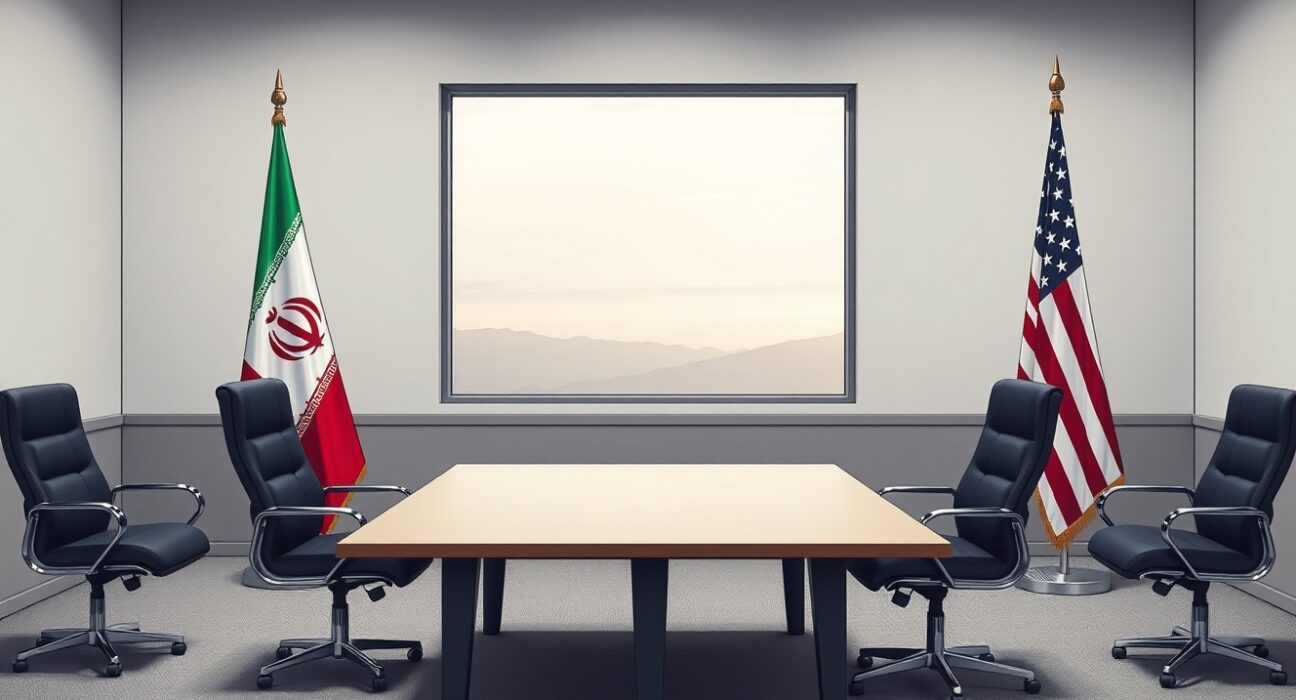
In a firm and unambiguous statement, Iran has officially denied requesting direct talks with the United States. The Tasnim News Agency, a semi-official Iranian outlet, reported this denial, directly contradicting earlier speculation from some Western media sources. This development carries significant weight for international diplomacy, especially concerning the stalled nuclear negotiations and broader Middle Eastern stability.
Iran Denies Direct Talks: Official Statement
The Tasnim News Agency quoted an informed source stating that Iran never requested direct negotiations with the US. This denial comes amid ongoing indirect discussions mediated by other nations. The source emphasized that Iran’s position remains unchanged: any direct dialogue must follow a clear and respectful framework. This statement effectively refutes rumors suggesting Tehran had sought a bilateral channel with Washington. Consequently, the path to renewed diplomacy appears more complicated than some anticipated.
Background of Iran-US Tensions
Relations between Iran and the United States have been fraught for decades. Key flashpoints include the 1979 hostage crisis, US sanctions, and Iran’s nuclear program. The 2015 Joint Comprehensive Plan of Action (JCPOA) briefly eased tensions. However, the US withdrawal from the deal in 2018 under President Trump reignited hostilities. Since then, Iran has advanced its nuclear capabilities, while the US maintains a policy of maximum pressure. Indirect talks in Vienna and other venues have failed to produce a breakthrough. This latest denial reinforces the deep mistrust between the two nations.
Timeline of Key Events
- 2015: JCPOA signed between Iran and P5+1.
- 2018: US withdraws from JCPOA, reimposes sanctions.
- 2020: US kills Iranian General Qasem Soleimani.
- 2022-2023: Indirect nuclear talks stall in Vienna.
- 2024: Iran denies requesting direct talks with the US.
Impact on Regional Stability
This denial has immediate implications for the Middle East. Many regional actors, including Saudi Arabia, Israel, and the UAE, closely monitor Iran-US dynamics. A direct dialogue could have de-escalated tensions. Instead, the denial suggests continued confrontation. Iran’s regional proxies, such as Hezbollah and the Houthis, may interpret this as a green light for continued operations. Furthermore, global energy markets could react negatively, as any disruption in the Persian Gulf affects oil prices. The denial thus reinforces a cycle of uncertainty.
Expert Analysis on Iran’s Diplomatic Strategy
Analysts suggest Iran’s denial is a calculated move. Dr. Sanam Vakil, a Middle East expert at Chatham House, notes that Iran often uses indirect channels to gauge US intentions. By denying direct talks, Tehran maintains leverage. It avoids appearing weak domestically while signaling to Washington that it will not make concessions easily. Moreover, Iran may be waiting for the outcome of the US presidential election. A new administration could shift policy. This strategic patience is typical of Iranian diplomacy, which prioritizes long-term goals over short-term gains.
Possible Reasons for the Denial
- Domestic Politics: Hardliners in Iran oppose any engagement with the US.
- Leverage: Denying talks strengthens Iran’s bargaining position.
- Mistrust: Past US actions, like the JCPOA withdrawal, create deep skepticism.
- Regional Rivals: Iran wants to avoid appearing pressured by Gulf states.
Reaction from the International Community
The United States has not officially commented on Iran’s denial. However, US officials have previously stated they prefer diplomacy but will not beg for talks. European mediators, including France and Germany, expressed disappointment. They view direct dialogue as essential for reviving the nuclear deal. Russia and China, meanwhile, have called for restraint. The UN has urged both sides to resume negotiations. Without direct talks, the risk of miscalculation rises. A small incident could escalate into a broader conflict, drawing in multiple nations.
Future Prospects for Iran-US Diplomacy
The path forward remains unclear. Iran’s denial does not close the door entirely, but it raises the bar. Future talks will likely require a major concession from one side. For instance, the US could ease sanctions as a goodwill gesture. Alternatively, Iran could agree to freeze its nuclear enrichment. However, given the current political climate, neither side appears ready to make the first move. Indirect talks through Oman or Qatar may continue, but their effectiveness is limited. The core issue remains trust, which has eroded significantly over the past decade.
Scenarios for the Next Six Months
- Stalemate: Both sides maintain current positions, leading to no progress.
- Indirect Breakthrough: Mediators secure a limited agreement on humanitarian issues.
- Crisis: A military incident forces both sides to negotiate under duress.
- Policy Shift: A new US administration changes the diplomatic approach.
Conclusion
Iran’s denial of requesting direct talks with the US represents a significant moment in international relations. It underscores the deep divisions between Tehran and Washington. The focus keyword, Iran US talks, remains a critical issue for global security. While indirect channels exist, the lack of direct communication increases the risk of conflict. For now, the ball remains in both nations’ courts. The international community watches closely, hoping for a diplomatic solution. Without genuine engagement, the prospects for peace in the Middle East remain dim.
FAQs
Q1: Did Iran officially request direct talks with the US?
A1: No, Iran has officially denied requesting direct talks with the US. The Tasnim News Agency reported this denial, contradicting earlier speculation.
Q2: Why did Iran deny seeking direct negotiations?
A2: Iran likely denied the request to maintain leverage, avoid domestic backlash from hardliners, and signal that it will not make concessions easily.
Q3: What is the current status of the Iran nuclear deal?
A3: The JCPOA is effectively stalled. Indirect talks have failed to revive it, and Iran has advanced its nuclear program since the US withdrawal in 2018.
Q4: How has the US responded to Iran’s denial?
A4: The US has not officially commented. However, US officials have previously stated they prefer diplomacy but will not pressure Iran for talks.
Q5: Can indirect talks between Iran and the US succeed?
A5: Indirect talks through mediators like Oman or Qatar are possible but limited. Without direct communication, building trust and reaching a comprehensive agreement is difficult.
Q6: What are the risks of no direct talks?
A6: The risk of miscalculation and escalation increases. A small incident could trigger a broader conflict, affecting regional stability and global energy markets.
Disclaimer: The information provided is not trading advice, Bitcoinworld.co.in holds no liability for any investments made based on the information provided on this page. We strongly recommend independent research and/or consultation with a qualified professional before making any investment decisions.
