
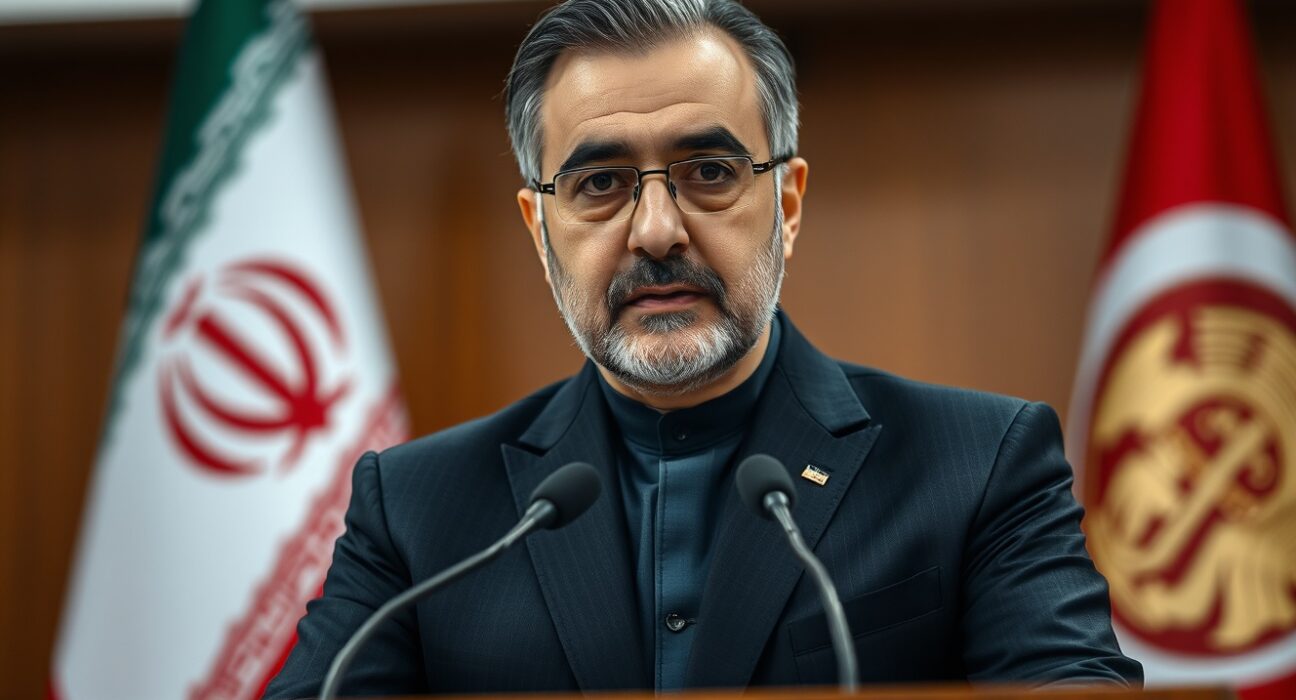
TEHRAN, Iran – In a significant diplomatic development, Iran’s Foreign Minister Hossein Amir-Abdollahian has categorically denied requesting a ceasefire from the United States, instead vowing that Iran’s resistance will continue unabated. This statement, reported by Walter Bloomberg on Tuesday, comes amid escalating regional tensions and complex diplomatic maneuvers across the Middle East. The minister’s remarks directly counter circulating reports about potential backchannel negotiations between Tehran and Washington.
Iran’s Firm Denial of Ceasefire Requests
Foreign Minister Hossein Amir-Abdollahian made his position unequivocally clear during a press briefing in Tehran. He stated that Iran has never asked the United States for a ceasefire in any context. Furthermore, he emphasized that Iran’s policy of resistance would persist regardless of external pressures. This declaration follows weeks of speculation about potential diplomatic overtures between the two nations.
The timing of this statement is particularly significant. Regional analysts note it coincides with increased military activities and proxy engagements across the Middle East. Consequently, many observers had anticipated possible de-escalation talks. However, Iran’s firm position suggests a different trajectory. The country appears committed to its established foreign policy framework.
Historical Context of US-Iran Relations
Understanding current tensions requires examining the complex history between Washington and Tehran. Relations have remained strained since the 1979 Iranian Revolution. Multiple administrations have attempted various approaches to engagement. The 2015 Joint Comprehensive Plan of Action (JCPOA) represented a high point in diplomacy. However, the US withdrawal in 2018 under President Trump reversed much progress.
Subsequent years witnessed escalating tensions. Key incidents include the 2020 assassination of General Qasem Soleimani. Additionally, attacks on shipping in the Persian Gulf have increased. Iran’s nuclear program has also advanced significantly. These developments create a volatile backdrop for current diplomatic statements.
Regional Implications and Expert Analysis
Middle East security experts emphasize the broader implications of Iran’s position. Dr. Leila Ahmed, a regional analyst at the Gulf Studies Center, explains the strategic calculation. “Iran’s statement serves multiple purposes,” she notes. “Firstly, it reinforces domestic political narratives about resistance. Secondly, it signals to regional allies that Tehran won’t compromise core positions. Finally, it establishes clear parameters for any future negotiations.”
The regional impact extends across several conflict zones:
- Yemen: Continued Houthi attacks on shipping lanes
- Syria: Iranian-backed militia activities
- Iraq: Political and military influence operations
- Lebanon: Support for Hezbollah’s military capabilities
These interconnected conflicts complicate diplomatic efforts significantly. Each represents a different facet of Iran’s regional strategy. Therefore, comprehensive solutions require addressing multiple theaters simultaneously.
Diplomatic Channels and Communication Methods
Despite public denials, diplomatic communications continue through various channels. The United Nations provides one forum for indirect discussions. Additionally, European intermediaries often facilitate message exchanges. Oman and Switzerland have historically served as diplomatic bridges. These backchannel communications allow for necessary coordination while maintaining public positions.
Recent months have seen increased activity in these channels. However, substantive breakthroughs remain elusive. The table below illustrates key diplomatic milestones:
| Date | Event | Outcome |
|---|---|---|
| 2023 Q3 | Oman-mediated talks | Prisoner exchange agreement |
| 2024 Q1 | UN Security Council meetings | No consensus on nuclear issues |
| 2024 Q2 | European shuttle diplomacy | Limited confidence-building measures |
These interactions demonstrate ongoing engagement despite rhetorical posturing. Nevertheless, fundamental disagreements persist on core issues. Nuclear limitations, regional activities, and sanctions relief remain major sticking points.
Military and Economic Dimensions
Iran’s military capabilities have evolved considerably in recent years. The country now fields advanced drone systems and missile technologies. These assets provide asymmetric advantages against conventionally superior forces. Additionally, Iran has developed sophisticated cyber warfare capabilities. These tools enable pressure application without direct confrontation.
Economically, Iran faces significant challenges due to sanctions. However, the country has adapted through various mechanisms:
- Expanded trade with China and Russia
- Development of alternative financial systems
- Increased domestic production capabilities
- Utilization of cryptocurrency for transactions
These adaptations reduce vulnerability to Western economic pressure. Consequently, Iran maintains greater negotiating leverage than pure economic indicators might suggest. The country’s resilience complicates efforts to compel policy changes through sanctions alone.
Domestic Political Considerations
Internal politics significantly influence Iran’s foreign policy positions. The government faces competing pressures from various factions. Hardline elements advocate maximalist positions against the United States. Meanwhile, pragmatic factions recognize the benefits of reduced tensions. This internal debate shapes public statements and negotiating positions.
Recent economic challenges have increased public dissatisfaction. However, nationalist rhetoric about resistance resonates with certain constituencies. Therefore, the government must balance practical needs with ideological commitments. This complex calculus explains seemingly contradictory signals at different times.
International Reactions and Next Steps
Global responses to Iran’s statement have varied considerably. Regional allies generally support Tehran’s position. Conversely, Western nations express concern about escalating tensions. The United Nations has called for renewed diplomatic efforts. Meanwhile, regional organizations propose confidence-building measures.
Looking forward, several developments warrant monitoring:
- Upcoming IAEA reports on Iran’s nuclear program
- Potential naval incidents in strategic waterways
- Election cycles in key Western nations
- Economic indicators affecting sanction pressure
These factors will influence the diplomatic landscape in coming months. Additionally, unexpected events could rapidly alter calculations. Therefore, flexibility remains essential for all parties involved.
Conclusion
Iran’s denial of US ceasefire requests represents a significant diplomatic development with far-reaching implications. The country’s commitment to continued resistance reflects deep-seated strategic calculations. Historical grievances, regional ambitions, and domestic politics all contribute to this position. While diplomatic channels remain open, substantive progress appears unlikely in the near term. The situation demands careful monitoring as multiple factors could trigger escalation. Ultimately, sustainable solutions require addressing underlying security concerns through comprehensive diplomacy. The path forward remains challenging but necessary for regional stability.
FAQs
Q1: What exactly did Iran’s Foreign Minister say about ceasefire requests?
Foreign Minister Hossein Amir-Abdollahian stated categorically that Iran has never asked the United States for a ceasefire in any context. He emphasized that Iran’s policy of resistance would continue regardless of external pressures.
Q2: Why is Iran taking such a firm position against ceasefire discussions?
Multiple factors influence Iran’s position, including historical grievances with the United States, regional strategic calculations, domestic political considerations, and a desire to maintain leverage in broader negotiations about nuclear issues and sanctions relief.
Q3: How does this statement affect regional conflicts involving Iranian proxies?
Iran’s position suggests continued support for allied groups across the Middle East, including in Yemen, Syria, Iraq, and Lebanon. This could mean sustained or increased activities by these groups, complicating conflict resolution efforts in multiple theaters.
Q4: Are there any diplomatic channels still open between Iran and the United States?
Yes, indirect communications continue through various channels including the United Nations, European intermediaries, and countries like Oman and Switzerland that have historically facilitated message exchanges between the parties.
Q5: What would be required for genuine diplomatic progress between Iran and the United States?
Substantive progress would require addressing core issues including Iran’s nuclear program, regional activities, sanctions relief, and security guarantees. Confidence-building measures and reciprocal steps would likely precede comprehensive agreements.
Disclaimer: The information provided is not trading advice, Bitcoinworld.co.in holds no liability for any investments made based on the information provided on this page. We strongly recommend independent research and/or consultation with a qualified professional before making any investment decisions.