
TEHRAN, Iran – In a significant diplomatic development, Iranian officials confirmed on Tuesday that they ignored a recent United States request for dialogue aimed at ending the ongoing regional conflict. According to the state-run IRNA news agency, a Foreign Ministry spokesperson revealed that friendly nations conveyed messages suggesting Washington sought talks. Consequently, Tehran maintained its established conditions regarding the strategic Strait of Hormuz and conflict resolution. This development underscores the persistent tensions between the two nations.
Iran US Talks: The Diplomatic Standoff Explained
The Iranian Foreign Ministry spokesperson provided specific details about the communication. Friendly nations recently delivered messages indicating American interest in dialogue. However, Iranian authorities chose not to respond to this overture. The spokesperson emphasized that Iran’s fundamental conditions remain unchanged. These conditions directly involve security arrangements for the Strait of Hormuz. Furthermore, they include parameters for a permanent cessation of hostilities. This position reflects Iran’s long-standing strategic priorities in the region.
Analysts note this incident fits a pattern of indirect diplomacy. Often, third-party nations facilitate communication between Tehran and Washington. Switzerland and Oman have historically played such roles. The United States and Iran have not maintained formal diplomatic relations since 1980. Therefore, this channel represents a critical, albeit fragile, line of communication. The lack of response from Iran signals a calculated diplomatic decision. It suggests Tehran currently sees little advantage in direct engagement under the proposed terms.
Strategic Context of the Strait of Hormuz
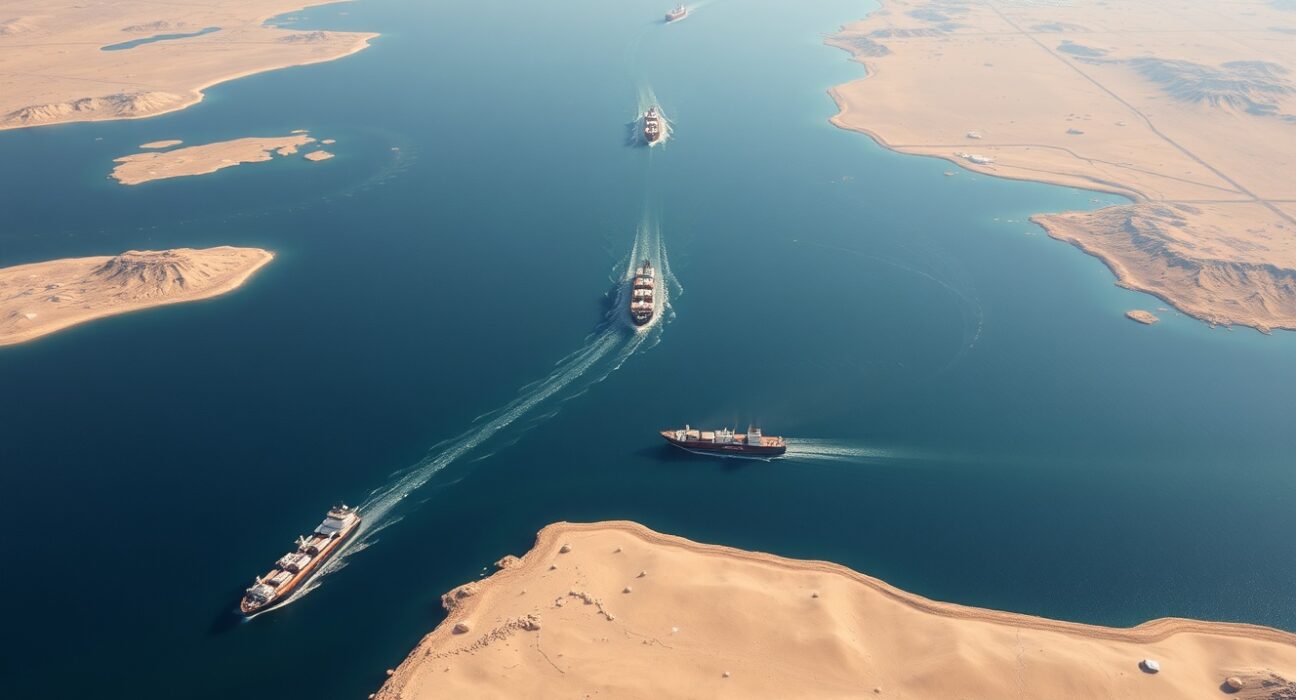
The Strait of Hormuz represents one of the world’s most critical maritime chokepoints. Approximately one-fifth of global oil consumption passes through this narrow waterway. Iran’s coastline dominates the northern side of the strait. Consequently, the Islamic Revolutionary Guard Corps Navy maintains significant control over the area. This geographic reality provides Iran with substantial leverage in regional politics and global energy markets.
- Oil Transit: An estimated 21 million barrels of oil pass through daily.
- Global Impact: Disruption could increase oil prices by 50-100%.
- Iranian Capability: Naval forces can deploy mines, missiles, and fast-attack craft.
Iran’s conditions regarding the strait likely involve guarantees against foreign naval patrols. Specifically, they may seek limits on US Fifth Fleet operations. Additionally, they could demand sanctions relief linked to oil exports. The linkage between the strait and the broader war demonstrates Iran’s integrated strategic view. Security and economic interests are inextricably connected in Tehran’s calculus.
Expert Analysis on Diplomatic Signaling
Dr. Anahita Mohseni, a senior fellow at the Middle East Institute, explains the nuance. “Publicly ignoring a request is a deliberate signal,” she states. “It communicates strength to domestic audiences and regional allies. Simultaneously, it informs Washington that previous proposals are insufficient.” This analysis suggests the move is tactical, not a permanent rejection of diplomacy. The conditions Iran sets act as a starting point for any future negotiation.
Historical precedent supports this interpretation. During the 2015 nuclear negotiations, Iran frequently employed similar tactics. Public posturing often preceded private, substantive talks. The current situation may follow a comparable script. However, the regional military landscape has evolved significantly since then. Proxy conflicts and direct engagements have increased the stakes for all parties involved.
Timeline of Recent US-Iran Interactions
The reported diplomatic overture occurs within a complex recent history. Understanding the sequence of events provides crucial context for the current impasse.
| Date | Event | Significance |
|---|---|---|
| Early 2023 | Indirect talks in Oman regarding regional de-escalation. | Established a fragile communication channel. |
| Mid-2024 | US naval exercises in Persian Gulf. | Perceived by Iran as coercive pressure. |
| Late 2024 | Iranian-backed groups intensify regional attacks. | Raised conflict temperature and US response. |
| Early 2025 | Reported US request for talks via intermediaries. | Current focal point of diplomatic activity. |
This timeline reveals a cycle of action and reaction. Military posturing and diplomatic outreach frequently alternate. The latest US request appears part of an effort to break this cycle. Iran’s non-response indicates a preference for maintaining current leverage. Regional allies likely influence this decision, seeking unified resistance against US policy.
Regional Impacts and Global Consequences
The diplomatic stalemate carries immediate implications for Middle Eastern stability. Conflict continues to affect several nations, displacing populations and destroying infrastructure. A prolonged war risks drawing in neighboring countries, potentially creating a wider regional conflagration. Global energy markets remain sensitive to any threat against the Strait of Hormuz. Shipping insurance costs have already risen in anticipation of potential disruptions.
European and Asian nations, major consumers of Gulf energy, monitor the situation closely. They consistently urge diplomatic solutions to ensure open sea lanes. The United Nations Secretary-General recently called for renewed dialogue. However, without direct communication between the primary actors, third-party mediation faces severe limitations. The risk of miscalculation or accidental conflict therefore remains elevated.
Military and Economic Dimensions of the Stalemate
On the ground, military dynamics reflect the diplomatic deadlock. Iranian-aligned forces maintain defensive positions while conducting limited offensive operations. The United States continues to provide military support to regional partners. This support includes intelligence sharing and defensive weapons systems. Economically, sanctions continue to pressure Iran’s financial system. However, alternative trade networks have mitigated some of the worst effects. This resilience may embolden Iranian negotiators to hold firm on their conditions.
Energy analysts project two potential scenarios. First, a diplomatic breakthrough could stabilize oil prices and ensure secure transit. Second, continued impasse might lead to sporadic incidents in the Gulf, causing price volatility. Market participants currently price in a moderate risk premium. This premium reflects the expectation of managed tensions rather than full-scale conflict.
Conclusion
Iran’s decision to ignore the US request for talks underscores the deep challenges in resolving the regional war. The unwavering focus on the Strait of Hormuz highlights Tehran’s strategic priorities. For any future Iran US talks to succeed, Washington must address these core security and economic concerns. The current diplomatic silence is not necessarily permanent. However, it indicates that the path to negotiation requires significant, reciprocal confidence-building measures. The international community now watches for the next signal, whether military or diplomatic, that could alter this precarious stalemate.
FAQs
Q1: What did Iran say about the US request for talks?
Iran’s Foreign Ministry spokesperson stated that messages were received via friendly nations suggesting the US sought dialogue to end the war, but Iran did not respond and its conditions regarding the Strait of Hormuz remain unchanged.
Q2: Why is the Strait of Hormuz so important in these discussions?
The Strait of Hormuz is a critical global oil chokepoint. Iran’s control over its northern shore gives it significant leverage, and its conditions for talks are believed to involve security guarantees and economic interests related to this waterway.
Q3: How do the US and Iran usually communicate if they have no formal relations?
They typically rely on indirect diplomacy through intermediary nations, such as Switzerland or Oman, which pass messages between the capitals. International organizations like the UN can also provide a venue for contact.
Q4: What are the potential global impacts of this diplomatic standoff?
The main risks include continued regional instability, potential disruption to global oil supplies transiting the Strait of Hormuz, higher energy prices, and an increased chance of military miscalculation.
Q5: Has Iran completely rejected future talks with the US?
Not necessarily. Publicly ignoring a request is often a tactical diplomatic signal. Experts suggest it shows current US terms are insufficient, but Iran may be open to talks if its core conditions on the Strait of Hormuz and ending the war are addressed.
Disclaimer: The information provided is not trading advice, Bitcoinworld.co.in holds no liability for any investments made based on the information provided on this page. We strongly recommend independent research and/or consultation with a qualified professional before making any investment decisions.