

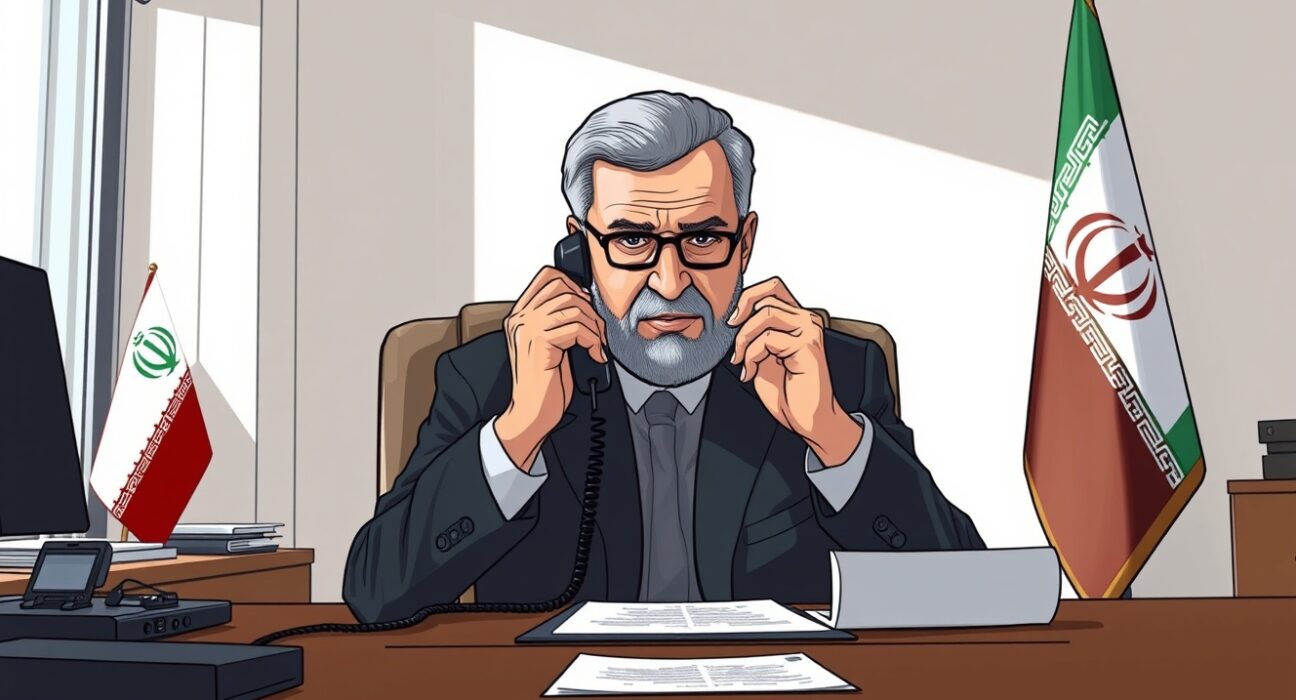
Iranian President Masoud Pezeshkian announced on April 30 that Iran has completely lost trust in the United States. This declaration marks a significant turning point in diplomatic relations between the two nations. The statement came during a phone call with Belarusian President Alexander Lukashenko. Xinhua News Agency first reported the development. The loss of trust stems from repeated attacks during past negotiations. Both the US and Israel have undermined previous diplomatic efforts. Pezeshkian warned that similar actions could occur again.
Background of Iran lost trust in US
Relations between Iran and the United States have been strained for decades. The 2015 Joint Comprehensive Plan of Action (JCPOA) offered a brief period of cooperation. However, the US withdrawal from the deal in 2018 under President Donald Trump shattered that progress. Iran then faced renewed economic sanctions. Negotiations to revive the agreement have repeatedly stalled. The current Iranian administration views US actions as untrustworthy. Pezeshkian’s recent comments reflect deep-seated frustration. He emphasized that dialogue remains a priority. Yet, past betrayals make future cooperation difficult.
Key events leading to diplomatic erosion
- 2018 US withdrawal from the JCPOA
- Reimposition of sanctions on Iranian oil and banking
- Assassination of General Qasem Soleimani in 2020
- Israeli cyberattacks on Iranian nuclear facilities
- Failed Vienna talks in 2022-2023
Iranian President Masoud Pezeshkian’s statement
Pezeshkian made his remarks during a high-level diplomatic call. He told Lukashenko that Iran’s trust in the US has evaporated. The president cited specific incidents during negotiations. He noted that US and Israeli attacks occurred while talks were ongoing. These actions destroyed any remaining confidence. Pezeshkian stressed that Iran remains open to dialogue. However, the US must demonstrate genuine commitment. Without trust, meaningful progress is impossible. The statement aligns with Iran’s broader foreign policy shift. Tehran now prioritizes ties with Russia and China.
Immediate reactions from global leaders
Belarusian President Lukashenko expressed understanding of Iran’s position. He reaffirmed Belarus’s support for Iran’s sovereignty. Other nations have yet to comment officially. Analysts predict a cautious response from European powers. The US State Department has not issued a formal reply. Regional experts warn of increased tensions. The statement may impact ongoing nuclear negotiations. It could also affect Iran’s role in Middle Eastern conflicts.
US-Iran relations: A timeline of broken trust
| Year | Event | Impact on Trust |
|---|---|---|
| 2015 | JCPOA signed | Positive |
| 2018 | US withdraws | Severe damage |
| 2020 | Soleimani killed | Critical |
| 2022 | Talks collapse | Irreparable |
| 2025 | Trust lost completely | Total breakdown |
Iran diplomatic trust: What it means for the region
The loss of trust has immediate regional consequences. Iran may accelerate its nuclear program. It could also increase support for allied militias. These actions would destabilize the Middle East further. Israel views Iran’s nuclear ambitions as an existential threat. The US maintains a military presence in the Persian Gulf. Any miscalculation could lead to direct conflict. Diplomatic channels remain open but fragile. Iran’s pivot to Russia and China offers alternative partnerships. This shift reduces US leverage in negotiations.
Expert analysis on the trust breakdown
Dr. Fatima Alizadeh, a Middle East scholar at the University of Tehran, explains: “Trust is the foundation of any negotiation. Without it, talks become meaningless.” She notes that the US has not addressed Iran’s core concerns. Sanctions relief and security guarantees remain unresolved. Another expert, John Kirby, a former US diplomat, acknowledges the difficulty. He states that rebuilding trust requires consistent actions over years. Both sides currently lack the political will to compromise.
Iran US negotiations: Current status and future prospects
Negotiations between Iran and the US are effectively frozen. Indirect talks through Oman and Qatar have yielded no breakthroughs. Iran demands full sanctions lifting before returning to compliance. The US insists on verified nuclear restrictions first. This deadlock reinforces mutual distrust. Pezeshkian’s statement signals that Iran will not make concessions. The US faces a choice: offer meaningful incentives or accept a nuclear Iran. Neither option is appealing. The international community watches closely. Any escalation could draw in global powers.
Impact on global energy markets
Iran’s oil exports have already declined due to sanctions. A complete breakdown in trust could disrupt global supply. Analysts predict oil price volatility. Iran may threaten the Strait of Hormuz. This chokepoint handles 20% of global oil shipments. The US Navy maintains a presence to ensure free passage. A confrontation would raise prices worldwide. Energy markets are already nervous. The loss of Iranian trust adds another layer of uncertainty.
Conclusion
Iran has completely lost trust in the US, as President Pezeshkian clearly stated. This development reshapes diplomatic dynamics in the Middle East. Past betrayals during negotiations have made cooperation impossible. The path forward requires genuine commitment from both sides. Without trust, the risk of conflict increases. The world must prepare for a prolonged period of tension. Dialogue remains possible, but only if the US rebuilds credibility. For now, Iran’s position is clear: trust is gone.
FAQs
Q1: Why did Iran lose trust in the US?
A1: Iran lost trust due to the US withdrawal from the JCPOA in 2018 and subsequent attacks during negotiations, including sanctions and military actions.
Q2: What did Iranian President Masoud Pezeshkian say?
A2: He stated that Iran has completely lost trust in the US during a phone call with Belarusian President Alexander Lukashenko on April 30.
Q3: How does this affect nuclear negotiations?
A3: The loss of trust freezes nuclear talks, making it unlikely for Iran to return to compliance without significant US concessions.
Q4: What role did Israel play in this trust breakdown?
A4: Israel conducted cyberattacks and other operations during negotiations, which Iran views as deliberate sabotage of diplomatic efforts.
Q5: Can trust be rebuilt between Iran and the US?
A5: Rebuilding trust is possible but requires consistent, verifiable actions from the US, including sanctions relief and security guarantees.
Disclaimer: The information provided is not trading advice, Bitcoinworld.co.in holds no liability for any investments made based on the information provided on this page. We strongly recommend independent research and/or consultation with a qualified professional before making any investment decisions.
