

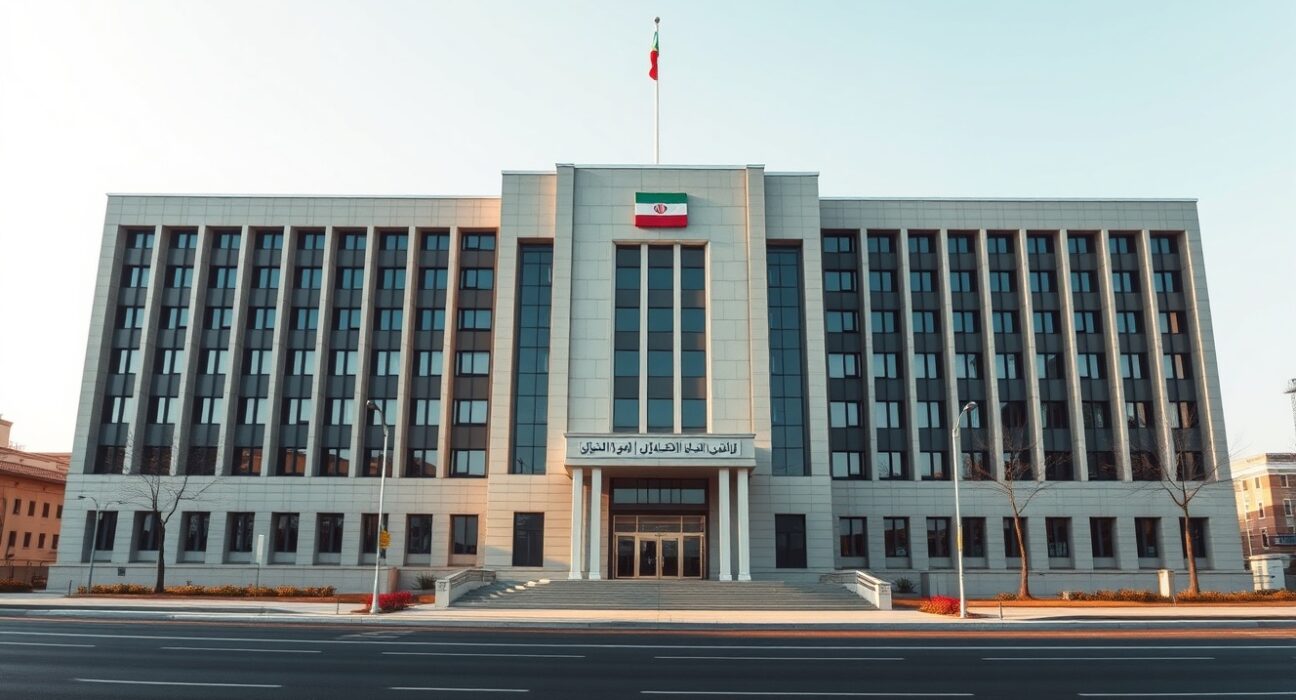
Iran’s Ministry of Foreign Affairs confirmed on Monday that it currently has no plans to send a delegation to Pakistan, a spokesperson told reporters in Tehran. The statement comes amid a period of heightened diplomatic tension between the two neighboring countries, following recent cross-border incidents and mutual accusations of harboring militant groups.
Background of the Strained Relationship
Relations between Iran and Pakistan have long been complex, marked by both cooperation and suspicion. While the two countries share a 900-kilometer border, their ties have been tested by sectarian differences, competition for influence in Afghanistan, and accusations of supporting insurgent groups operating across the frontier. In recent weeks, tit-for-tat airstrikes and military posturing have raised fears of a wider conflict, drawing international calls for restraint.
Implications of the No-Delegation Statement
The absence of a planned diplomatic visit signals a lack of immediate progress toward de-escalation. Diplomatic observers note that such visits are often a first step in reducing tensions, as they allow for direct dialogue on security concerns. The Iranian spokesperson’s statement may indicate that Tehran is unwilling to engage at this time, or that it views the conditions for talks as not yet met.
What This Means for Regional Stability
The Iran-Pakistan border region is already volatile, with Baloch separatist groups active on both sides. Any further deterioration in relations could disrupt trade, energy cooperation, and security coordination. For neighboring countries like India, Afghanistan, and China, the standoff adds another layer of instability to a region already facing multiple security challenges.
Conclusion
Iran’s decision to hold off on sending a delegation to Pakistan underscores the depth of the current rift. While both nations have expressed a desire to avoid war, concrete steps toward reconciliation remain absent. The coming weeks will be critical in determining whether diplomatic channels reopen or the situation escalates further.
FAQs
Q1: Why did Iran cancel or postpone sending a delegation to Pakistan?
The Iranian foreign ministry stated there are currently no plans for such a visit, without providing a specific reason. The decision is widely seen as a response to ongoing tensions following recent cross-border military actions.
Q2: What triggered the recent tensions between Iran and Pakistan?
Tensions escalated after both countries conducted airstrikes on each other’s territory in January 2024, targeting what they claimed were militant hideouts. Each nation accused the other of harboring groups responsible for attacks on its soil.
Q3: How does this affect the broader region?
The standoff complicates regional security dynamics, particularly in the Balochistan region, which is shared by Iran, Pakistan, and Afghanistan. It also impacts energy projects, trade routes, and counterterrorism cooperation. International actors, including China and the United States, have urged restraint.
Disclaimer: The information provided is not trading advice, Bitcoinworld.co.in holds no liability for any investments made based on the information provided on this page. We strongly recommend independent research and/or consultation with a qualified professional before making any investment decisions.
