

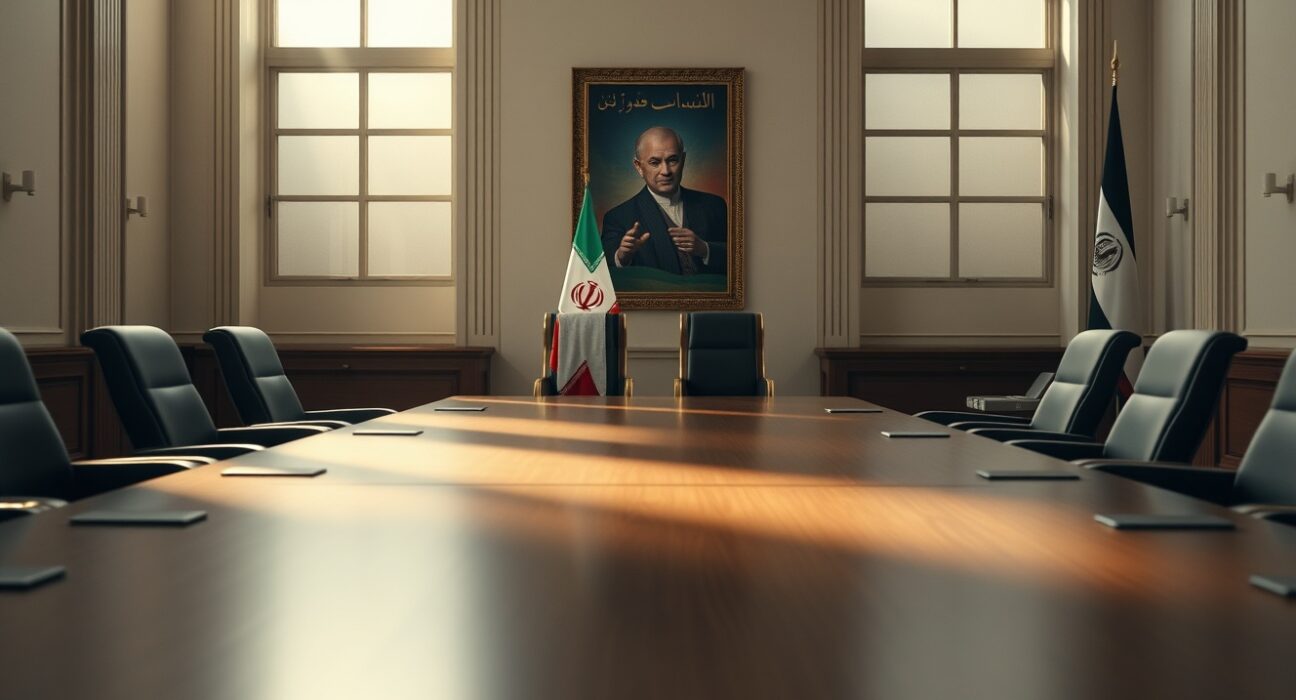
Tehran, Iran — Iran’s Foreign Ministry clarified on Monday that while negotiators have reached conclusions on many topics during recent discussions, a final agreement is not imminent. The statement, delivered by ministry spokesperson Nasser Kanaani, underscores the persistent gap between expectations and reality in the protracted nuclear negotiations.
Progress Without a Deal
Kanaani told reporters that “conclusions have been reached on many of the topics of discussion,” but he cautioned that this does not mean the signing of an agreement is near. The remarks come after weeks of indirect talks between Iranian officials and representatives from world powers, primarily focused on reviving the 2015 Joint Comprehensive Plan of Action (JCPOA).
The spokesperson did not specify which topics had been resolved or what key issues remain. However, diplomatic sources familiar with the talks have pointed to ongoing disagreements over uranium enrichment levels, sanctions relief scope, and verification mechanisms as primary sticking points.
Why the Delay Matters
The lack of an imminent deal has broader implications for regional stability, global oil markets, and international non-proliferation efforts. Iran’s uranium enrichment has continued to advance beyond JCPOA limits, reducing the so-called “breakout time” needed to produce weapons-grade material. Meanwhile, Western powers have maintained stringent economic sanctions that continue to strain Iran’s economy.
For markets, any delay in a nuclear agreement prolongs uncertainty around Iranian oil exports returning to global markets. Analysts have previously estimated that a revived deal could add roughly one million barrels per day to global supply, potentially easing inflationary pressures on energy prices.
Regional and Diplomatic Fallout
The prolonged negotiations also affect Iran’s neighbors in the Persian Gulf, who view any potential deal with caution. Gulf Arab states have expressed concerns that a rushed agreement might leave Iran’s regional influence unchecked. On the other hand, European mediators have stressed the urgency of reaching a deal to prevent further nuclear escalation.
Israel, a vocal opponent of the original JCPOA, has maintained that any agreement must include robust inspections and restrictions on Iran’s ballistic missile program. The lack of progress in talks could increase pressure on Israel to consider unilateral actions, raising the risk of broader conflict.
Conclusion
While Iran’s statement confirms that technical discussions have advanced, the diplomatic gap remains wide. The coming weeks will test whether negotiators can translate partial conclusions into a comprehensive agreement. For now, the message from Tehran is clear: patience is still required.
FAQs
Q1: What is the current status of Iran nuclear deal negotiations?
Iran says conclusions have been reached on many topics, but a final deal is not imminent. Key issues remain unresolved, including enrichment levels and sanctions relief.
Q2: Why is the deal not being signed immediately?
Diplomatic sources cite ongoing disagreements over uranium enrichment limits, verification mechanisms, and the scope of sanctions removal as primary obstacles.
Q3: How does this affect global oil markets?
A delayed deal means Iranian oil exports are unlikely to return to the global market soon, maintaining current supply constraints and keeping upward pressure on oil prices.
Disclaimer: The information provided is not trading advice, Bitcoinworld.co.in holds no liability for any investments made based on the information provided on this page. We strongly recommend independent research and/or consultation with a qualified professional before making any investment decisions.
