

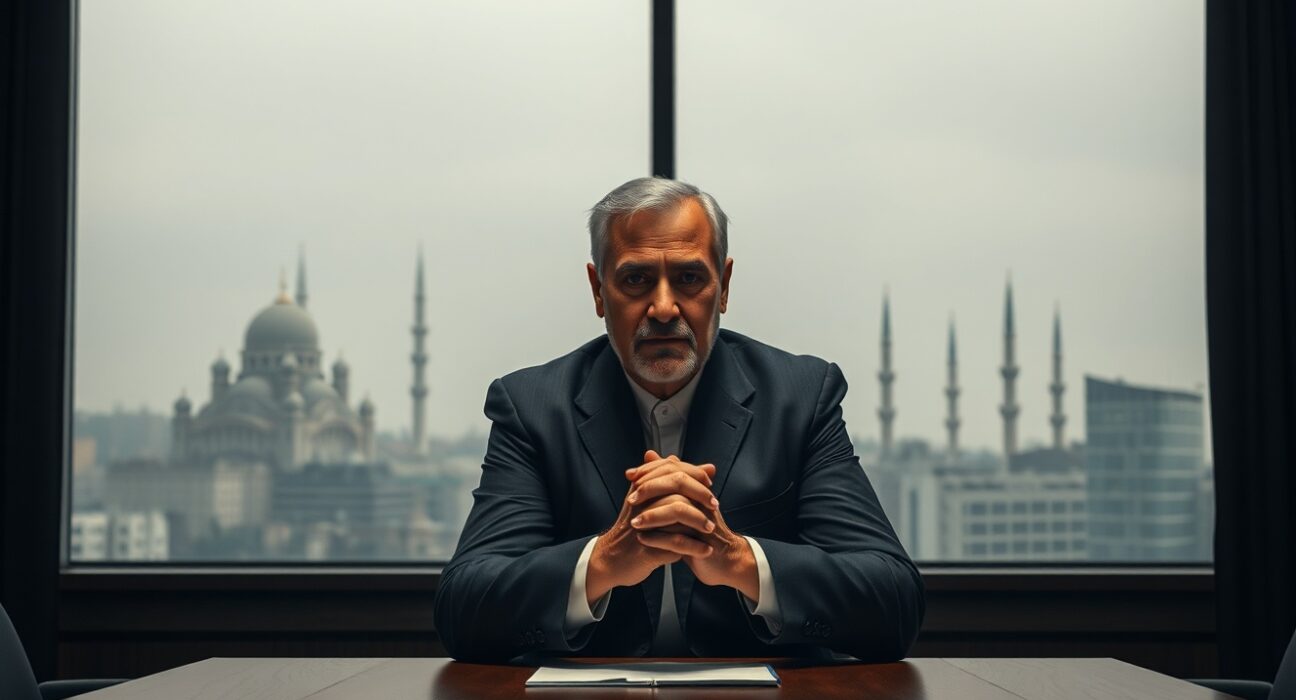
Iran has firmly stated that it will not make any concessions on its nuclear program in exchange for an end to the ongoing war, according to a report by the semi-official Tasnim News Agency. Citing a source within Iran’s negotiating team, the report underscores a hardline stance that could complicate diplomatic efforts to de-escalate regional hostilities.
Background and Official Stance
The statement, published on Wednesday, comes amid heightened tensions in the Middle East and renewed international scrutiny of Iran’s nuclear activities. The unnamed source emphasized that Tehran views its nuclear rights as non-negotiable, regardless of external pressure or the prospect of conflict resolution. This position aligns with long-standing Iranian policy, which has consistently rejected linking its nuclear program to broader security or political issues.
Tasnim News Agency, which is closely aligned with Iran’s Islamic Revolutionary Guard Corps (IRGC), often serves as a conduit for official or semi-official government positions. The timing of the report suggests that Iran is preemptively drawing a red line ahead of any potential new round of negotiations or back-channel talks.
Geopolitical and Regional Implications
This development carries significant weight for several key stakeholders. For the United States and European powers involved in the 2015 Joint Comprehensive Plan of Action (JCPOA), the statement signals that diplomatic avenues remain fraught with difficulty. Iran’s refusal to link its nuclear program to the war may be interpreted as a lack of willingness to compromise, potentially leading to increased sanctions or even military posturing.
For regional actors such as Israel and Saudi Arabia, Iran’s stance reinforces their security concerns. Israel has long warned against a nuclear-armed Iran, and this declaration may accelerate its own strategic planning. Saudi Arabia, which has been engaged in its own diplomatic efforts with Iran, may find its rapprochement efforts complicated by Tehran’s uncompromising position.
Impact on the War and Humanitarian Situation
The conflict in question, which has caused significant civilian casualties and displacement, remains a central focus for international humanitarian organizations. By decoupling the nuclear issue from the war, Iran may be seeking to avoid a situation where it is forced to make trade-offs that could weaken its strategic position. However, this approach risks prolonging the conflict, as it removes a potential lever for de-escalation.
Analysts suggest that Iran’s negotiating team is operating under strict directives from the Supreme Leader, Ayatollah Ali Khamenei, who has consistently framed the nuclear program as a matter of national sovereignty and scientific achievement. Any perceived concession could be politically damaging domestically, particularly amid ongoing protests and economic hardship.
Conclusion
Iran’s categorical refusal to trade nuclear concessions for an end to the war represents a significant hardening of its diplomatic position. While the statement may be a negotiating tactic, it effectively narrows the window for a diplomatic resolution. The coming weeks will likely see intensified diplomatic activity as external powers assess how to respond to Tehran’s uncompromising stance. For now, the path to de-escalation appears increasingly constrained by the nuclear question.
FAQs
Q1: What exactly did Iran say about its nuclear program and the war?
According to Tasnim News Agency, a source from Iran’s negotiating team stated that under no circumstances will Iran make concessions on its nuclear program in exchange for an end to the war.
Q2: Why is Iran taking this position?
Iran views its nuclear program as a matter of national sovereignty and scientific progress. Linking it to the war is seen as a strategic weakness that could set a precedent for future demands.
Q3: How might this affect ongoing international negotiations?
This hardline stance complicates diplomatic efforts by the U.S. and European powers, potentially leading to increased sanctions or a shift toward more confrontational policies. It also raises security concerns for regional actors like Israel and Saudi Arabia.
Disclaimer: The information provided is not trading advice, Bitcoinworld.co.in holds no liability for any investments made based on the information provided on this page. We strongly recommend independent research and/or consultation with a qualified professional before making any investment decisions.
