

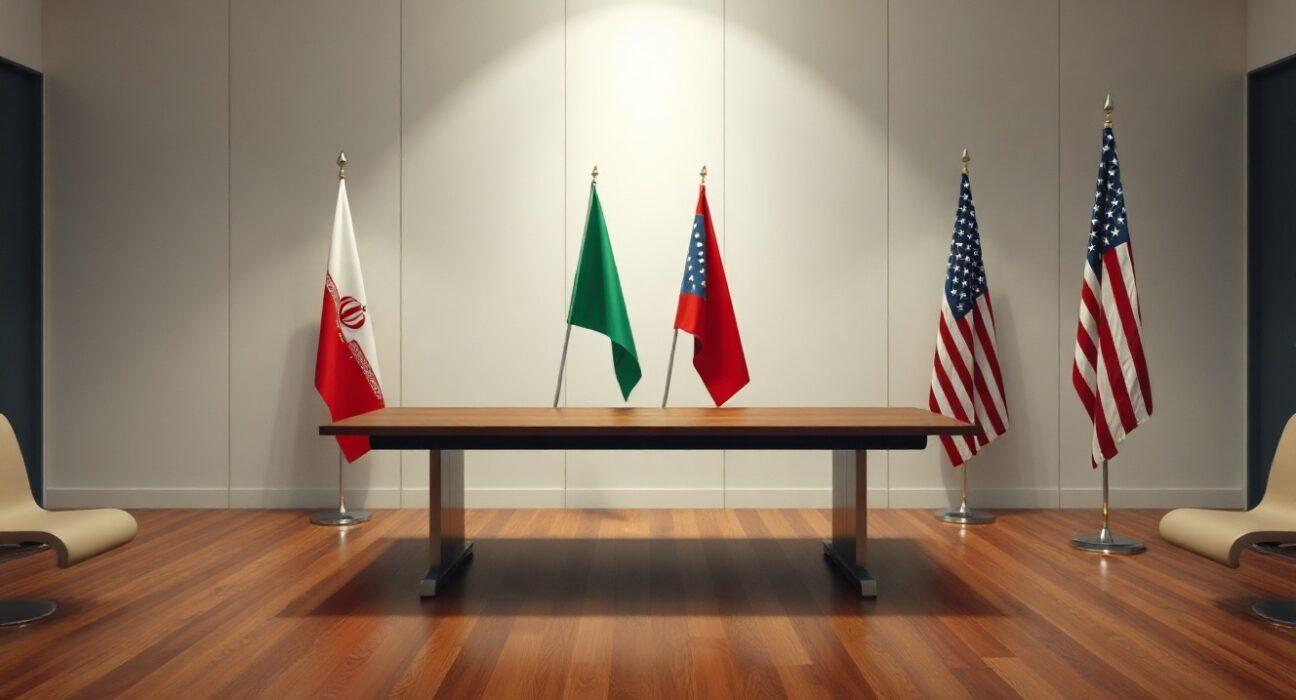
A senior Iranian source has told Reuters that there are currently no discussions underway on extending the ceasefire between Iran and the United States. The source, speaking on condition of anonymity, said Tehran sees no need for an extension because, from its perspective, the ceasefire lacks an effective start date. The source also alleged that Washington violated the temporary agreement within 48 hours of signing it and subsequently withdrew from the deal days later.
Ceasefire Status and U.S. Withdrawal
The temporary ceasefire, which was intended to de-escalate tensions between the two nations, has been fraught with complications since its inception. According to the Iranian source, the United States breached the terms of the agreement almost immediately after it was signed, undermining any potential for a formal extension. The source further claimed that Washington then pulled out of the arrangement altogether, leaving the ceasefire in a state of limbo.
These developments highlight the fragility of diplomatic efforts between Iran and the United States, which have been marked by decades of mistrust and periodic confrontations. The exact timeline of the ceasefire’s signing and subsequent collapse remains unclear, but the Iranian source’s remarks suggest that Tehran views the current situation as a non-starter for further negotiations.
Memorandum of Understanding and Future Talks
One of the key issues reportedly under discussion is a potential U.S. return to the memorandum of understanding (MOU) and the establishment of a clear time frame for Washington to fulfill its commitments under that framework. The MOU, which has been a point of contention in previous negotiations, is seen by Tehran as a critical component for any meaningful progress in bilateral relations.
The Iranian source indicated that the focus is now on whether the United States will re-engage with the MOU and provide a concrete schedule for implementing its obligations. Without such a commitment, Tehran appears unwilling to consider any extension of the ceasefire or further diplomatic overtures.
Implications for Regional Stability
The lack of talks on extending the ceasefire raises concerns about the potential for renewed hostilities in the region. Iran and the United States have been at odds over a range of issues, including Tehran’s nuclear program, ballistic missile development, and regional influence. The breakdown of the temporary agreement could escalate tensions, affecting not only bilateral relations but also the broader Middle East security landscape.
For observers, the Iranian source’s comments signal that Tehran is taking a firm stance, demanding tangible actions from Washington rather than verbal assurances. This could complicate efforts by other nations to mediate or facilitate dialogue between the two adversaries.
Conclusion
In summary, Iran has categorically stated that no negotiations are taking place on extending the U.S. ceasefire, citing U.S. violations and the absence of a defined start date. The ball appears to be in Washington’s court, with Tehran insisting on a return to the MOU and a clear timeline for U.S. commitments. As the situation develops, the international community will be watching closely to see whether diplomatic channels can be reopened or if the region faces a new period of instability.
FAQs
Q1: What is the current status of the Iran-U.S. ceasefire?
According to a senior Iranian source, there are no active talks on extending the ceasefire. Iran believes the ceasefire has no effective start date and accuses the U.S. of violating it shortly after signing.
Q2: Why does Iran reject the need for a ceasefire extension?
Iran argues that the ceasefire never formally took effect, making an extension unnecessary. Additionally, Tehran points to U.S. violations and withdrawal as reasons for its stance.
Q3: What is the memorandum of understanding (MOU) in this context?
The MOU refers to a prior agreement that outlines commitments by both parties. Iran is demanding that the U.S. return to the MOU and provide a timeline for fulfilling its obligations before any further discussions can occur.
Disclaimer: The information provided is not trading advice, Bitcoinworld.co.in holds no liability for any investments made based on the information provided on this page. We strongly recommend independent research and/or consultation with a qualified professional before making any investment decisions.
