

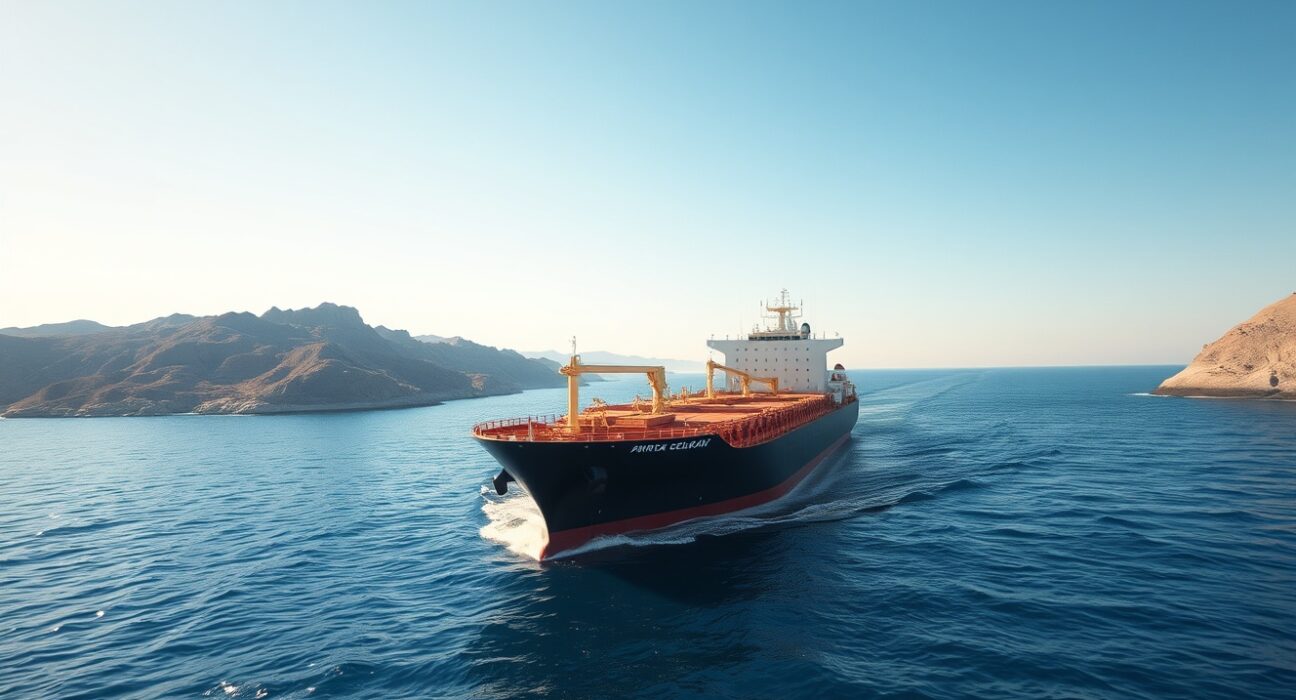
Iran and Oman are reportedly in discussions to impose permanent passage fees on vessels transiting the Strait of Hormuz, a strategic waterway through which about 20% of the world’s oil passes. The announcement was made by Iran’s ambassador to France, signaling a potential shift in the legal and economic framework governing one of the world’s most critical maritime chokepoints.
Background of the Strait of Hormuz Negotiations
The Strait of Hormuz connects the Persian Gulf with the Gulf of Oman and the Arabian Sea. It is a vital artery for global energy supplies, particularly for crude oil and liquefied natural gas (LNG) exports from Saudi Arabia, Iran, Iraq, Kuwait, Qatar, and the United Arab Emirates. For decades, the strait has been subject to international maritime law, which guarantees freedom of navigation. However, Iran has periodically threatened to restrict traffic in response to geopolitical tensions or sanctions.
According to the Iranian ambassador, the proposed fees are intended to cover the costs of maintaining navigational safety and environmental protection in the strait. Oman’s involvement suggests a coordinated regional approach, though the legal basis and potential enforcement mechanisms remain unclear. The discussions are still at an early stage, and no formal agreement has been reached.
Implications for Global Energy Markets and Maritime Law
The imposition of permanent passage fees would represent a significant departure from long-standing international norms. Under the United Nations Convention on the Law of the Sea (UNCLOS), transit passage through straits used for international navigation cannot be hampered or suspended. Unilateral fees could be challenged by shipping nations and oil-importing countries, potentially leading to diplomatic disputes or legal action at international tribunals.
For global energy markets, the mere prospect of new fees introduces uncertainty. Traders and analysts are closely monitoring the situation, as any disruption—or even the perception of potential disruption—can influence oil prices. The strait is already a focal point for geopolitical risk, and the addition of permanent tolls could alter shipping routes and insurance costs.
What This Means for Regional Stability
The Iran-Oman talks come amid broader regional realignments. Oman has historically acted as a neutral mediator in Middle Eastern conflicts, maintaining diplomatic ties with both Iran and Western nations. Its participation in these discussions may indicate an attempt to formalize a framework that reduces the risk of unilateral Iranian action. However, the plan could also strain Oman’s relationships with other Gulf Cooperation Council (GCC) states and the United States, which maintain a significant naval presence in the region to ensure freedom of navigation.
Industry experts note that while the talks are preliminary, they reflect a growing trend of nations seeking to monetize strategic geographic assets. Similar debates have occurred regarding the Suez Canal and the Panama Canal, though those waterways are governed by specific international treaties.
Conclusion
The discussions between Iran and Oman regarding permanent passage fees on the Strait of Hormuz represent a developing story with significant implications for global energy security, maritime law, and regional geopolitics. While no concrete agreement has been reached, the announcement alone has drawn attention from shipping companies, oil traders, and diplomatic observers. The coming weeks will be critical in determining whether this proposal gains traction or remains a diplomatic overture.
FAQs
Q1: Is the Strait of Hormuz currently free to transit?
Yes, under international law, the Strait of Hormuz is subject to transit passage rights, meaning vessels of all nations can pass freely. There are no existing permanent tolls or fees.
Q2: How would passage fees be enforced?
Enforcement mechanisms have not been detailed. Potential options include requiring vessels to obtain permits, imposing fines for non-compliance, or using naval patrols to monitor traffic. Any enforcement would likely face legal and diplomatic challenges.
Q3: Could this affect oil prices?
Yes, the Strait of Hormuz is a critical chokepoint for global oil supplies. Even the threat of disruption or added costs can lead to increased volatility in oil markets, potentially raising prices for consumers and businesses worldwide.
Disclaimer: The information provided is not trading advice, Bitcoinworld.co.in holds no liability for any investments made based on the information provided on this page. We strongly recommend independent research and/or consultation with a qualified professional before making any investment decisions.
