

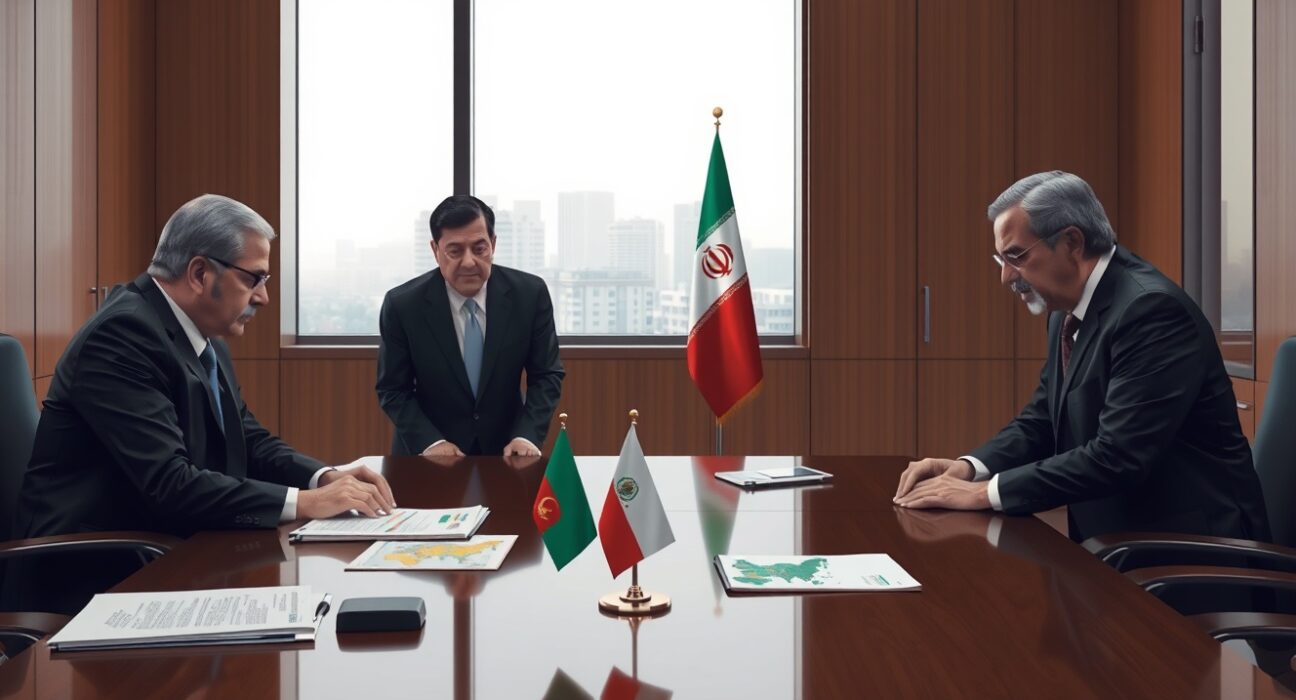
Pakistan expects Iran to submit a revised peace plan by May 1, following President Donald Trump’s rejection of an earlier proposal. CNN reports that Pakistani mediators anticipate a formal response from Tehran as early as April 29. However, the source indicated that the delay may signal difficulties in contacting Iran’s Supreme Leader, Ayatollah Mojtaba Khamenei. The White House has publicly stated that its patience is running out.
Iran Peace Plan Timeline: From Rejection to Revised Proposal
The revised Iran peace plan emerges from a tense diplomatic process. Pakistani Prime Minister Shehbaz Sharif informed his cabinet that Iran’s foreign minister, who led negotiations in Islamabad last weekend, promised to provide a written response. The public call for a reply comes as Washington signals increasing frustration with Tehran’s pace.
President Trump rejected the initial Iran peace plan in early April. The White House cited insufficient concessions on uranium enrichment and ballistic missile development. This rejection pushed Pakistan into a central mediation role. Islamabad has maintained diplomatic ties with both Washington and Tehran.
Pakistani mediators now expect the revised peace proposal to address key U.S. demands. These include stricter limits on enrichment levels and enhanced international inspections. The timeline for submission remains fluid. The source suggested that Iran could respond as early as April 29 but might delay until May 1.
Iran Nuclear Talks 2025: Why the Delay Matters
The delay in submitting the revised peace plan carries significant weight. A source familiar with the negotiations indicated that the delay suggests difficulties in contacting Ayatollah Khamenei. The Supreme Leader holds ultimate authority over Iran’s nuclear program and foreign policy.
This internal communication gap raises questions about decision-making within Iran’s leadership structure. Analysts suggest that the Supreme Leader’s reduced accessibility may reflect internal debates over the terms of any potential deal. The revised peace proposal must balance domestic political pressures with international demands.
The White House has made its position clear. Press Secretary Karoline Leavitt stated that the administration expects a serious response. The patience of the United States is not unlimited, she warned. This statement adds urgency to the May 1 deadline.
Pakistan Mediation Iran: A Critical Diplomatic Bridge
Pakistan’s role as mediator has grown in importance. Prime Minister Sharif’s public disclosure of the Iranian foreign minister’s promise signals Islamabad’s commitment to transparency. The Pakistani government views a successful resolution as vital for regional stability.
Pakistan shares a long border with Iran. Both countries face security challenges from militant groups and drug trafficking. A nuclear agreement would reduce tensions across the region. It would also strengthen Pakistan’s position as a reliable diplomatic partner.
The mediation process has involved multiple rounds of talks. Pakistani officials shuttled between Washington and Tehran. They presented the initial peace proposal in March. Trump’s rejection forced a return to the negotiating table. The revised peace plan now represents the best chance for a breakthrough.
Trump Rejects Iran Deal: Understanding the Stakes
President Trump’s rejection of the initial deal reflects his administration’s hardline stance. The White House demands a comprehensive agreement that addresses all aspects of Iran’s nuclear program. This includes enrichment, research, and development of advanced centrifuges.
The previous Iran nuclear deal, the Joint Comprehensive Plan of Action (JCPOA), expired in 2023. Trump withdrew from the JCPOA in 2018. He cited insufficient restrictions on Iran’s ballistic missile program and support for proxy groups. The current negotiations aim to create a new framework.
The stakes are exceptionally high. A failure to reach an agreement could lead to increased tensions. Iran has enriched uranium to 60% purity, close to weapons-grade levels. The International Atomic Energy Agency (IAEA) reports that Iran’s stockpile continues to grow. This development raises the risk of military confrontation.
Iran Supreme Leader Ayatollah Mojtaba Khamenei: The Key Decision-Maker
Ayatollah Mojtaba Khamenei succeeded his father, Ayatollah Ali Khamenei, as Supreme Leader in 2024. His leadership style remains less publicly visible. The delay in contacting him suggests a cautious approach to major foreign policy decisions.
The Supreme Leader must approve any final agreement. His position on negotiations has been ambiguous. He has publicly supported the nuclear program’s civilian nature. However, he has also expressed skepticism about Western intentions. This duality complicates the mediation process.
Pakistani mediators have reportedly requested direct communication with the Supreme Leader. The Iranian foreign minister has acted as an intermediary. The difficulty in reaching Khamenei may indicate internal power struggles. It could also reflect a deliberate strategy to slow the negotiation pace.
Diplomatic Deadlines and White House Patience
The White House has set a clear deadline. Officials state that patience is running out. This language signals that the United States is prepared to walk away from negotiations. It also warns of potential consequences, including increased sanctions or military options.
President Trump has a history of using deadlines to force decisions. His administration has imposed maximum pressure campaigns on Iran. The revised peace plan must meet U.S. red lines. These include a complete halt to enrichment above 3.67% and full IAEA access to all nuclear sites.
The diplomatic window is narrowing. If Iran fails to submit a revised peace plan by May 1, the White House may pursue alternative strategies. These could include supporting Israeli strikes on Iranian nuclear facilities. The risk of escalation remains high.
Iran Peace Proposal Analysis: Key Elements and Challenges
The revised peace plan must address several critical issues. First, it must propose a clear timeline for enrichment reduction. Second, it must offer verifiable mechanisms for compliance. Third, it must address Iran’s ballistic missile program. Fourth, it must include provisions for regional security.
Table: Key Elements of a Potential Iran Peace Plan
| Issue | U.S. Demand | Iranian Position | Compromise Potential |
|---|---|---|---|
| Uranium Enrichment | Stop at 3.67% | Continue at 60% | Phase-down to 20% |
| IAEA Inspections | Full access | Limited access | Managed access with safeguards |
| Ballistic Missiles | Freeze development | Continue program | Range restrictions |
| Sanctions Relief | Phased relief | Immediate relief | Staged relief linked to compliance |
The table illustrates the gaps between U.S. and Iranian positions. Bridging these differences requires creative diplomacy. Pakistan’s role as mediator provides a neutral platform for discussions.
Revised Peace Proposal: What It Must Include
The revised peace proposal must demonstrate Iranian flexibility. Analysts expect it to include a phased enrichment reduction plan. Iran may offer to cap enrichment at 20% for a defined period. It may also agree to enhanced IAEA monitoring in exchange for sanctions relief.
The proposal must also address U.S. concerns about Iran’s ballistic missile program. Iran has developed missiles capable of reaching Israel and parts of Europe. The revised plan may include a commitment to limit missile range to 300 kilometers. This would reduce the threat to regional allies.
Finally, the proposal must offer a clear verification mechanism. The IAEA must have access to all declared and undeclared nuclear sites. Iran has previously restricted access to military sites. The revised plan may offer a compromise that allows limited access with international observers present.
Iran Negotiations 2025: Regional and Global Implications
The outcome of these negotiations will affect the entire Middle East. A successful agreement would reduce the risk of a nuclear arms race. Saudi Arabia, the United Arab Emirates, and Turkey have all expressed interest in nuclear energy. An Iranian deal could set a precedent for regional non-proliferation.
A failure, however, could trigger a cascade of negative consequences. Iran may accelerate its enrichment program. Israel may launch preemptive strikes. The United States could become embroiled in another Middle Eastern conflict. Global oil prices would spike, affecting the world economy.
European powers, including France, Germany, and the United Kingdom, support the negotiation process. They have urged both sides to show flexibility. The European Union has offered to facilitate talks. However, the Trump administration has preferred bilateral channels with Pakistan as mediator.
Expert Analysis: Diplomatic Prospects
Dr. Vali Nasr, a professor of Middle East studies at Johns Hopkins University, states that the May 1 deadline is significant. Iran has a history of using delays to gain leverage. However, the White House has signaled that it will not tolerate further stalling. The revised peace plan must offer concrete concessions.
Other experts note that the Iranian leadership faces internal pressures. Hardliners oppose any concessions to the United States. Reformists argue that a deal is necessary to revive the economy. The Supreme Leader must navigate these competing factions. His decision will determine the success or failure of the negotiations.
Conclusion
The Iran peace plan faces a critical juncture. Pakistan expects Tehran to submit a revised proposal by May 1. The White House has made its patience clear. President Trump rejected the initial deal, demanding stronger terms. The revised peace plan must address U.S. concerns about enrichment, inspections, and missiles. The delay in contacting Supreme Leader Khamenei adds uncertainty. However, diplomatic channels remain open. The next few days will determine whether a breakthrough is possible or if the region moves closer to conflict. The world watches as Iran and the United States navigate this high-stakes diplomatic moment.
FAQs
Q1: What is the Iran peace plan deadline?
Pakistan expects Iran to submit a revised peace plan by May 1. The White House has stated that its patience is running out, making this a critical deadline.
Q2: Why did President Trump reject the previous Iran peace plan?
President Trump rejected the initial plan because it did not sufficiently address U.S. demands on uranium enrichment limits, ballistic missile development, and international inspection access.
Q3: What role is Pakistan playing in the Iran peace plan negotiations?
Pakistan is acting as a mediator between the United States and Iran. Prime Minister Shehbaz Sharif has publicly stated that Iran’s foreign minister promised to provide a written response after talks in Islamabad.
Q4: Who is Ayatollah Mojtaba Khamenei?
Ayatollah Mojtaba Khamenei is the Supreme Leader of Iran, succeeding his father in 2024. He holds ultimate authority over Iran’s nuclear program and foreign policy, and the delay in contacting him has complicated the negotiation process.
Q5: What are the key issues in the revised peace proposal?
The revised proposal must address uranium enrichment levels, IAEA inspection access, ballistic missile development, and sanctions relief. Both sides must find a compromise on these critical issues.
Disclaimer: The information provided is not trading advice, Bitcoinworld.co.in holds no liability for any investments made based on the information provided on this page. We strongly recommend independent research and/or consultation with a qualified professional before making any investment decisions.
