

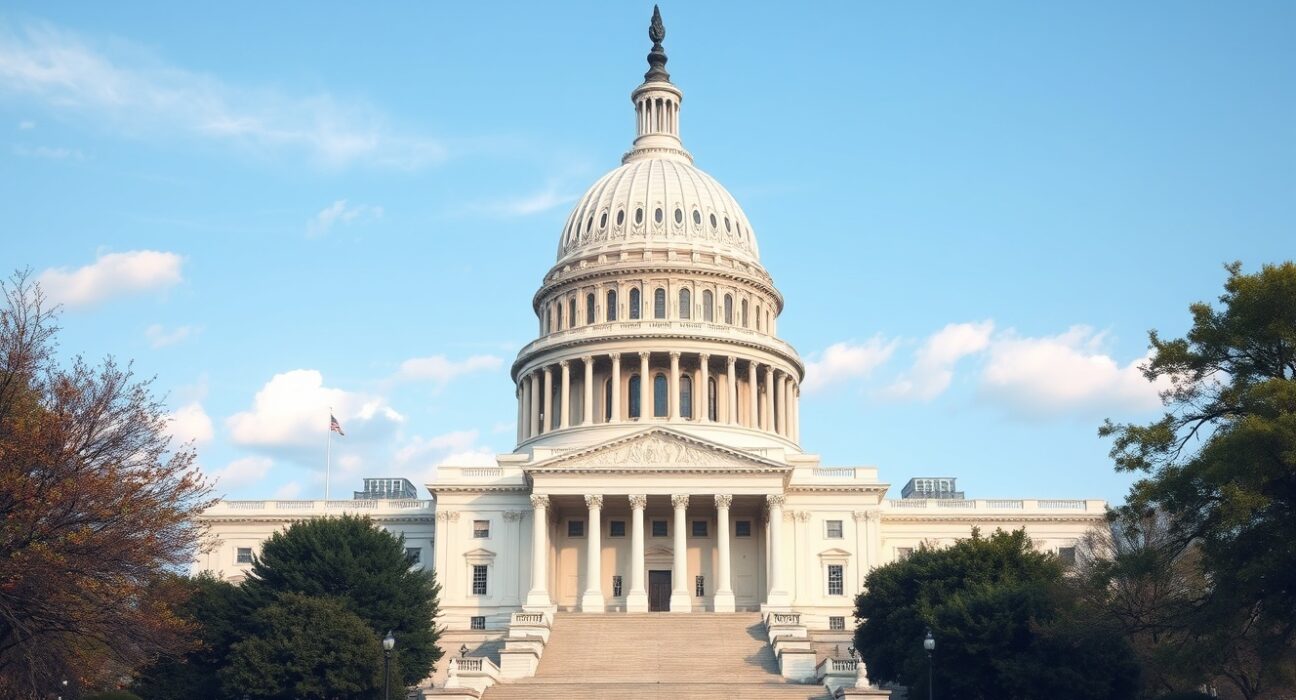
Washington, D.C. — March 12, 2025. The Kevin Warsh Fed Chair nomination cleared a major hurdle today. The Senate Banking Committee voted to advance his candidacy. This move sends the nomination to the full Senate for a final vote. The decision carries significant weight for the future of U.S. monetary policy.
Senate Banking Committee Advances Kevin Warsh Fed Chair Nomination
The committee voted along party lines. Republican members supported the nomination. Democratic members raised concerns about his past policy stances. The final tally was 14-10. This vote follows weeks of hearings and private meetings. Warsh, a former Fed Governor, now faces a full Senate confirmation.
His Federal Reserve nomination comes at a critical time. Inflation remains above the 2% target. The labor market shows signs of cooling. Global economic uncertainty persists. Many analysts view Warsh as a hawkish choice. He previously served on the Fed Board from 2006 to 2011. During that period, he advocated for tighter monetary policy.
The monetary policy direction under Warsh could shift. He has criticized the current Fed’s slow response to inflation. He favors a rules-based approach. This contrasts with the current data-dependent strategy. Market participants are watching closely.
Kevin Warsh: Background and Expertise
Kevin Warsh brings extensive financial experience. He served as a Fed Governor under Presidents George W. Bush and Barack Obama. He also worked at Morgan Stanley. He advised on mergers and acquisitions. His academic background includes a law degree from Stanford.
Supporters highlight his crisis management skills. During the 2008 financial crisis, he helped design the Troubled Asset Relief Program (TARP). Critics argue his ties to Wall Street are too close. They worry about regulatory capture. The Senate Banking Committee hearing addressed these concerns directly.
Warsh’s nomination hearing lasted over four hours. He answered questions on inflation, banking regulation, and interest rates. He promised to maintain the Fed’s independence. He also committed to transparent communication. These assurances helped secure committee approval.
Key Policy Positions of Kevin Warsh
- Inflation Targeting: Supports a strict 2% target with symmetric approach.
- Interest Rates: Favors gradual rate hikes to prevent overheating.
- Bank Regulation: Advocates for streamlined rules for community banks.
- Digital Currency: Open to exploring a central bank digital currency (CBDC).
- Climate Risk: Believes climate is a factor but not a primary mandate.
Impact on Financial Markets and Economy
The Kevin Warsh Fed Chair nomination already influences markets. The dollar strengthened slightly after the vote. Bond yields edged higher. Stock markets showed mixed reactions. Investors are pricing in a more hawkish Fed under his leadership.
Economists predict several scenarios. If confirmed, Warsh may accelerate rate hikes. He might also reduce the Fed’s balance sheet faster. These moves could slow economic growth. However, they might also tame inflation more quickly. The Federal Reserve nomination process remains a key focus.
Small businesses and homeowners could feel the impact. Higher interest rates mean costlier loans. Mortgage rates may rise further. Credit card debt becomes more expensive. Consumers should prepare for tighter financial conditions.
Full Senate Vote: What to Expect
The full Senate will vote on the Kevin Warsh Fed Chair nomination within two weeks. Republicans hold a slim majority. Most are expected to support him. A few moderate Democrats may cross party lines. The confirmation requires a simple majority.
Senate Majority Leader Chuck Schumer has not announced a timeline. However, sources indicate a vote before the April recess. The Senate Banking Committee approval speeds up the process. Warsh’s team is already preparing for the final push.
Opposition groups are mobilizing. They plan to run ads against the nomination. They cite his Wall Street background. They also question his commitment to full employment. Warsh’s supporters counter with his crisis credentials.
Timeline of the Nomination Process
| Date | Event |
|---|---|
| January 15, 2025 | President nominates Kevin Warsh |
| February 10, 2025 | Senate Banking Committee hearing begins |
| March 12, 2025 | Committee votes to advance nomination |
| March 25, 2025 (expected) | Full Senate vote |
Expert Analysis and Reactions
Former Fed economists offered mixed reactions. “Warsh is a competent choice,” said Dr. Alice Chen, a former Fed advisor. “But his hawkish stance could cause short-term pain.” Others are more optimistic. “He understands markets deeply,” noted Professor Mark Davis. “That experience is invaluable now.”
The monetary policy community is divided. Some praise his intellectual rigor. Others worry about political influence. Warsh has maintained he will be independent. His voting record at the Fed supports this claim. He often dissented from dovish policies.
International reactions are also notable. European Central Bank officials expressed cautious optimism. They hope for coordinated policy. Emerging markets fear capital outflows. A stronger dollar could hurt their economies. The Kevin Warsh Fed Chair nomination has global implications.
Conclusion
The Kevin Warsh Fed Chair nomination is now one step from final approval. The Senate Banking Committee’s vote reflects a partisan divide. Yet, the process moves forward. Warsh’s experience and hawkish views will shape U.S. monetary policy for years. Markets, consumers, and global economies must prepare for potential changes. The full Senate vote will be a defining moment for the Federal Reserve’s future direction.
FAQs
Q1: What is the significance of the Senate Banking Committee vote for Kevin Warsh?
A1: The vote advances his nomination to the full Senate, making him one step closer to becoming Fed Chair. It signals committee approval but does not guarantee final confirmation.
Q2: When will the full Senate vote on Kevin Warsh’s nomination?
A2: The full Senate is expected to vote within two weeks, likely before the April 2025 recess. The exact date depends on the Senate Majority Leader’s schedule.
Q3: How might Kevin Warsh change Federal Reserve policy?
A3: Warsh is considered hawkish on inflation. He may favor faster interest rate hikes and a quicker reduction of the Fed’s balance sheet, potentially slowing economic growth.
Q4: What are the main criticisms of Kevin Warsh?
A4: Critics point to his close ties to Wall Street and question his commitment to full employment. Some also worry his policies could harm low-income borrowers.
Q5: How will Warsh’s nomination affect ordinary consumers?
A5: If confirmed, his policies could lead to higher interest rates on mortgages, credit cards, and loans. Consumers may face tighter borrowing conditions and slower economic growth.
Disclaimer: The information provided is not trading advice, Bitcoinworld.co.in holds no liability for any investments made based on the information provided on this page. We strongly recommend independent research and/or consultation with a qualified professional before making any investment decisions.
